What Airspace Is Myrtle Beach Airport In?
Discover the airspace classification of Myrtle Beach Airport, how it affects flights, and what pilots and travelers should know for safe travel.
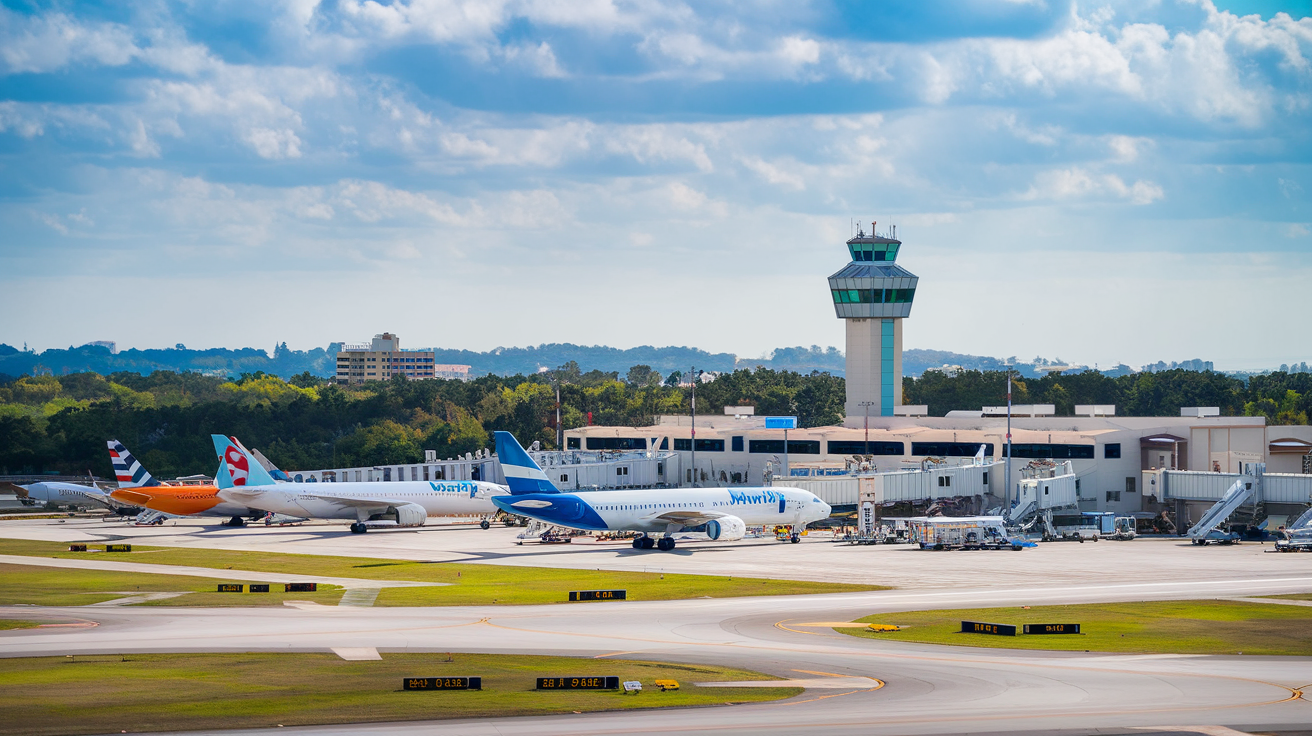
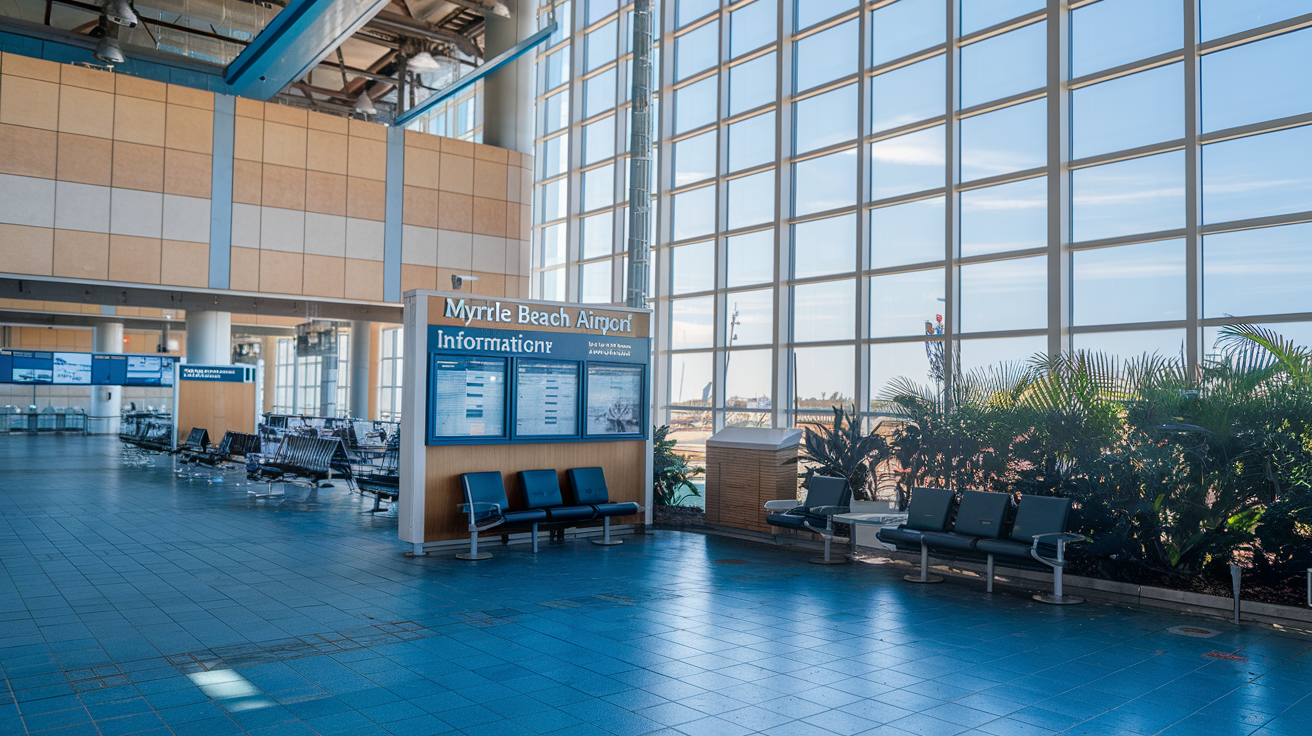
Myrtle Beach Airport (MYR) is a popular gateway for travelers visiting South Carolina's coast. If you're curious about the airspace around this airport, whether you're a pilot, aviation enthusiast, or traveler, understanding its classification and rules is important. This guide will explain the type of airspace Myrtle Beach Airport operates in and what that means for flights and safety.
We’ll cover the airspace class, nearby controlled zones, and how air traffic is managed here. Whether you’re flying in, out, or just interested in aviation, this article will help you grasp the basics of Myrtle Beach Airport’s airspace and what to expect.
Understanding Airspace Classes in the U.S.
Before diving into Myrtle Beach Airport specifically, it helps to know the basics of U.S. airspace classes. The Federal Aviation Administration (FAA) divides airspace into several classes, each with different rules for pilots and air traffic control.
Class A: High altitude airspace from 18,000 feet to 60,000 feet. Used mainly by commercial jets.
Class B: Surrounds the busiest airports, with strict control and communication requirements.
Class C: Around airports with moderate traffic, requiring communication with air traffic control.
Class D: Smaller airports with an operating control tower, requiring two-way radio communication.
Class E: Controlled airspace that is not A, B, C, or D. It often starts at 700 or 1,200 feet above ground level.
Class G: Uncontrolled airspace, usually below Class E, where pilots do not need to communicate with air traffic control.
Each class has specific rules for visibility, cloud clearance, and pilot communication. Knowing which class Myrtle Beach Airport falls into helps pilots prepare for safe operations.
Airspace Classification of Myrtle Beach Airport
Myrtle Beach International Airport (MYR) is classified as a Class C airspace airport. This means it has moderate traffic and an operating control tower that manages arriving and departing flights.
Class C airspace typically extends from the surface up to 4,000 feet above the airport elevation. It has two layers:
A core surface area with a 5 nautical mile radius.
An outer shelf area with a 10 nautical mile radius, usually starting at 1,200 feet up to 4,000 feet.
At Myrtle Beach Airport, pilots must establish two-way radio communication with the control tower before entering this airspace. This helps keep traffic safe and organized, especially during busy times.
Details of Myrtle Beach Class C Airspace
Radius: 5 nautical miles surface area, 10 nautical miles outer shelf.
Vertical limits: Surface to 4,000 feet above airport elevation.
Communication: Two-way radio contact required before entry.
Control tower: Operates daily, managing arrivals and departures.
This setup allows both commercial airlines and general aviation pilots to operate safely in the area.
Nearby Airspace and Airports
Myrtle Beach Airport is located near other airports and airspace boundaries that pilots should be aware of.
Grand Strand Airport (CRE): A smaller general aviation airport about 10 miles northwest of MYR. It operates in Class E and G airspace.
Florence Regional Airport (FLO): About 50 miles west, with Class D airspace.
Charleston International Airport (CHS): Approximately 90 miles southwest, with Class C airspace.
Pilots flying near Myrtle Beach must watch for transitions between these airspace classes and communicate accordingly.
How Air Traffic Control Manages Myrtle Beach Airspace
The Myrtle Beach control tower plays a key role in managing the Class C airspace. It coordinates takeoffs, landings, and ground movements to keep flights safe and efficient.
Air traffic controllers use radar and radio communication to:
Sequence arriving aircraft for smooth landings.
Clear departing flights for takeoff.
Manage traffic flow during busy holiday seasons.
Coordinate with nearby facilities for flights entering or leaving Myrtle Beach airspace.
For pilots, following ATC instructions in this controlled airspace is mandatory and helps prevent collisions or delays.
What Pilots Need to Know About Flying Into Myrtle Beach
If you’re a pilot planning to fly into Myrtle Beach Airport, here are some important points:
Two-way radio communication: Contact Myrtle Beach Tower before entering Class C airspace.
Transponder: Your aircraft must have a Mode C transponder to operate in Class C airspace.
Weather minimums: Visibility must be at least 3 miles, with cloud clearance of 500 feet below, 1,000 feet above, and 2,000 feet horizontal.
Flight planning: Check NOTAMs and weather updates before your flight.
Noise abatement: Follow any published noise abatement procedures to reduce impact on local communities.
These rules keep you and others safe while flying in and out of Myrtle Beach.
Travelers and Visitors: What Airspace Means for You
As a traveler, you may wonder how the airspace affects your flight experience. Here’s what you should know:
Class C airspace means Myrtle Beach Airport handles both commercial and private flights safely.
Air traffic control helps reduce delays and manage busy travel days.
Flight paths are designed to avoid noise over neighborhoods when possible.
Understanding airspace helps you appreciate the work behind safe arrivals and departures.
Whether you’re arriving for a beach vacation or business trip, the controlled airspace ensures your flight is managed professionally.
Booking Flights and Staying Near Myrtle Beach Airport
Myrtle Beach Airport offers many flight options from major U.S. cities. Airlines like American, Delta, United, and Southwest serve the airport.
When booking your trip, consider these tips:
Choose flights that arrive during daylight for easier ground transportation.
Book hotels near the airport or downtown Myrtle Beach for convenience.
Use airport shuttles or rental cars to explore the Grand Strand area.
Check for flight status updates on your airline’s app before heading to the airport.
Popular nearby hotels include the Marina Inn at Grande Dunes, Hilton Myrtle Beach Resort, and Courtyard by Marriott Myrtle Beach.
Summary of Myrtle Beach Airport Airspace
Myrtle Beach International Airport operates in Class C airspace. This means it has a controlled zone with a 5-mile radius at the surface and a 10-mile radius outer shelf up to 4,000 feet. Pilots must communicate with the control tower before entering.
The airport’s airspace is managed carefully to handle commercial and general aviation traffic safely. Travelers benefit from organized flight operations and smooth arrivals and departures.
Conclusion
Knowing that Myrtle Beach Airport is in Class C airspace helps you understand the rules and safety measures pilots follow here. This controlled airspace ensures flights are coordinated and safe for everyone.
Whether you’re flying in, out, or just curious about aviation, understanding Myrtle Beach’s airspace gives you a clearer picture of how air traffic works in this busy coastal region. Next time you visit, you’ll appreciate the careful planning behind every flight.
FAQs
What type of airspace surrounds Myrtle Beach Airport?
Myrtle Beach Airport is surrounded by Class C airspace. This controlled airspace extends from the surface up to 4,000 feet above the airport with a 5-mile radius core and a 10-mile outer shelf.
Do pilots need special equipment to fly into Myrtle Beach?
Yes, pilots must have a Mode C transponder and establish two-way radio communication with the control tower before entering Myrtle Beach's Class C airspace.
How does Class C airspace affect commercial flights at Myrtle Beach?
Class C airspace allows the control tower to manage commercial and general aviation traffic efficiently, reducing delays and enhancing safety during arrivals and departures.
Are there other airports near Myrtle Beach with different airspace classes?
Yes, nearby airports like Grand Strand Airport operate in Class E and G airspace, while Florence Regional Airport has Class D airspace, requiring different pilot procedures.
Can travelers hear air traffic control communications at Myrtle Beach Airport?
Travelers usually cannot hear ATC communications directly, but the controlled airspace ensures flights are coordinated safely, which improves the overall travel experience.