Is Myrtle Beach Prone to Hurricanes? What Travelers Should Know
Discover if Myrtle Beach is prone to hurricanes, how to stay safe, and the best times to visit with hurricane awareness tips.
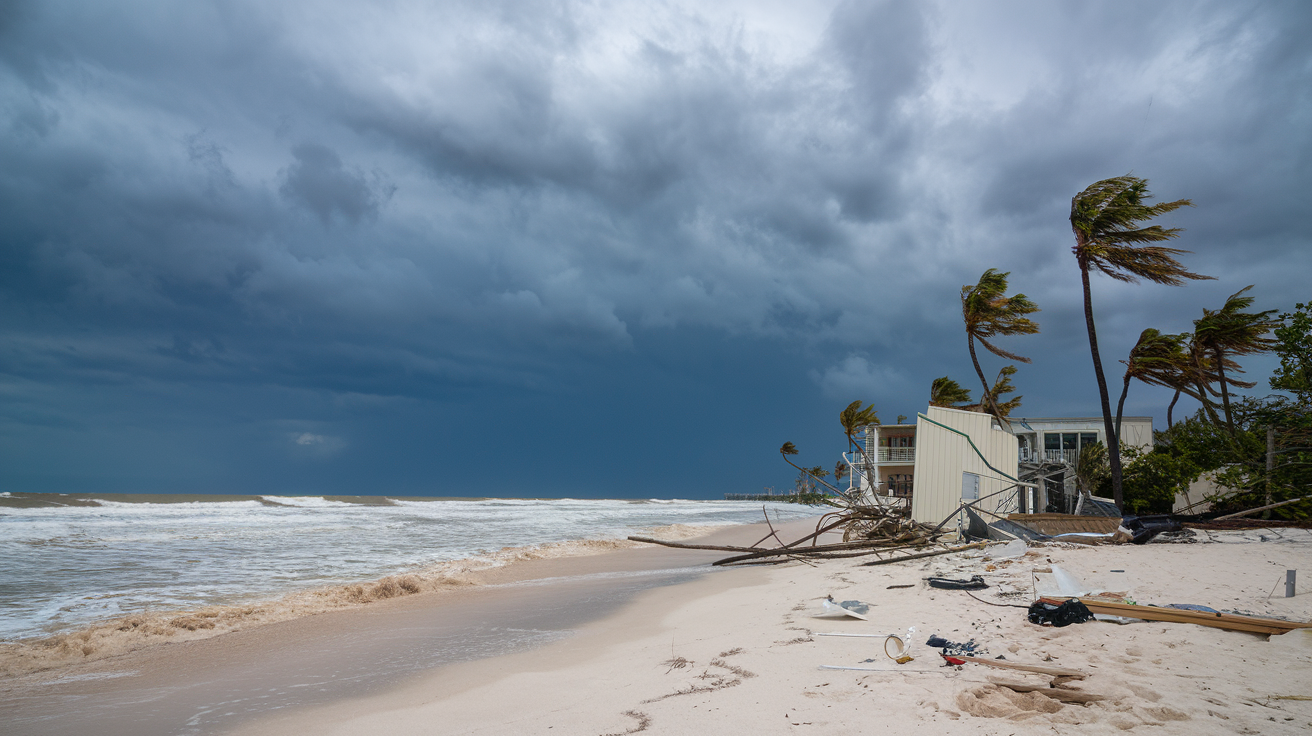
If you are planning a trip to Myrtle Beach, you might wonder about hurricane risks. Myrtle Beach is a popular coastal city in South Carolina known for its sandy beaches and family-friendly attractions. But since it is on the Atlantic coast, many travelers ask, "Is Myrtle Beach prone to hurricanes?"
In this article, I will explain Myrtle Beach’s hurricane risk, how often hurricanes affect the area, and what you can do to stay safe. I will also share tips on the best times to visit to avoid hurricane season. This way, you can plan your trip with confidence and enjoy everything Myrtle Beach offers.
Understanding Myrtle Beach’s Location and Hurricane Risk
Myrtle Beach lies along the Atlantic Ocean in the northeastern part of South Carolina. Its coastal position makes it exposed to tropical storms and hurricanes that form in the Atlantic and move toward the U.S. East Coast.
While hurricanes can impact Myrtle Beach, the area is not the most hurricane-prone spot in the Southeast. It is less exposed than parts of Florida or southern Louisiana, but it still faces risks, especially during hurricane season.
Geography: Myrtle Beach is on a barrier island and mainland coast, which can be vulnerable to storm surge and flooding.
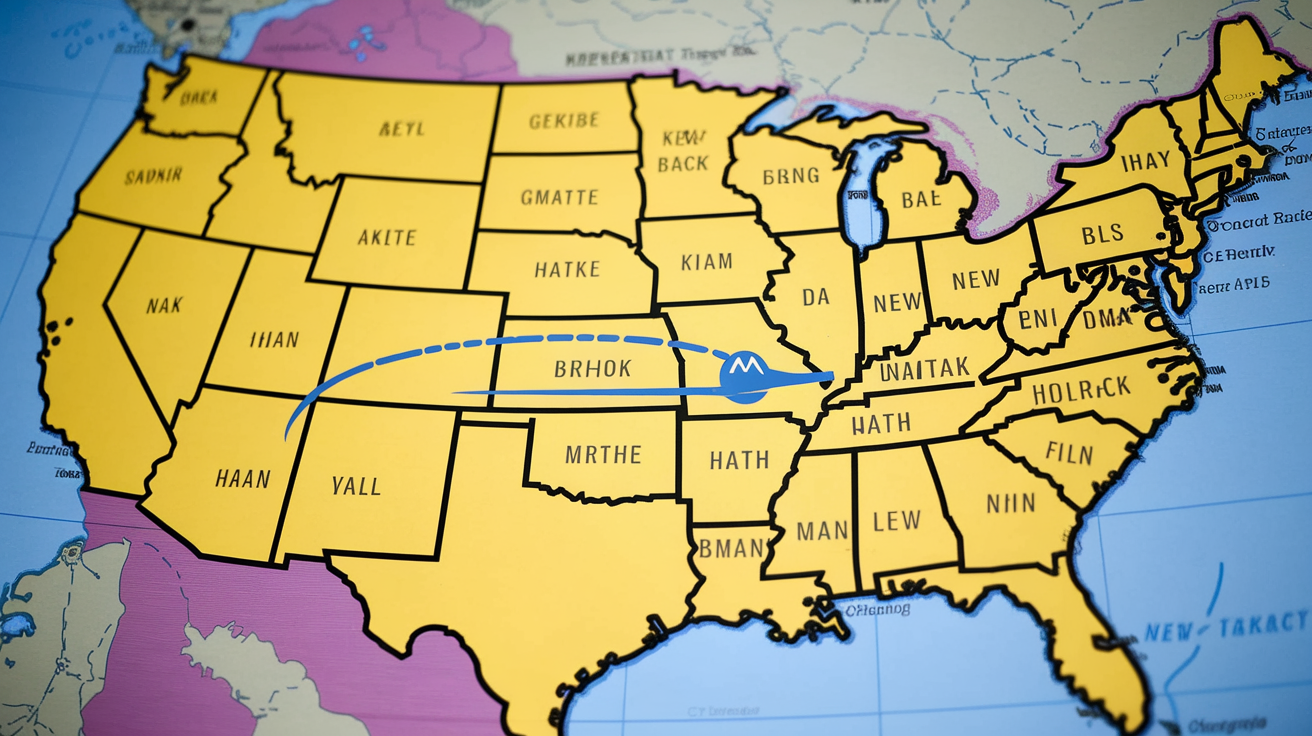
Atlantic hurricane path: Hurricanes often form off Africa and move west, sometimes curving north near the Carolinas.
Historical impact: Myrtle Beach has seen hurricanes and tropical storms but fewer direct hits than some Gulf Coast cities.
Understanding this helps you prepare and choose the right travel time.
How Often Does Myrtle Beach Experience Hurricanes?
Myrtle Beach does get affected by hurricanes, but direct hits are relatively rare. The city usually experiences tropical storms or the outer effects of hurricanes rather than full-force hits.
Here are some facts about hurricane frequency in Myrtle Beach:
Historical storms: Major hurricanes like Hurricane Hugo (1989) and Hurricane Florence (2018) impacted the area, causing damage and flooding.
Storm frequency: Myrtle Beach averages a tropical storm or hurricane impact every few years, but many storms pass offshore.
Storm strength: Direct hits by Category 3 or higher hurricanes are uncommon but possible.
Most years, Myrtle Beach experiences tropical storm conditions or heavy rain from nearby storms rather than a direct hurricane strike.
When Is Hurricane Season in Myrtle Beach?
Hurricane season officially runs from June 1 to November 30 each year. The peak months for hurricanes near Myrtle Beach are August, September, and October.
During this time, you should watch weather reports closely if you plan to visit. Here’s what to keep in mind:
Peak months: August to October have the highest chance of storms.
Early and late season: June, July, and November see fewer storms but still some risk.
Off-season: December to May is generally safe from hurricanes.
Visiting outside hurricane season reduces your risk of storm disruptions.
How Hurricanes Affect Myrtle Beach
When hurricanes or tropical storms reach Myrtle Beach, they can cause several issues. Knowing what to expect helps you stay safe and plan better.
Strong winds: Hurricanes bring damaging winds that can knock down trees and power lines.
Storm surge: Coastal flooding can occur, especially in low-lying areas near the beach.
Heavy rain: Flooding from rain can affect roads and neighborhoods.
Beach erosion: Storm waves can wash away sand and damage beachfront properties.
Local authorities monitor storms carefully and issue warnings to keep residents and visitors safe.
Safety Tips for Travelers Visiting Myrtle Beach During Hurricane Season
If you plan to visit Myrtle Beach during hurricane season, it’s smart to prepare. Here are practical tips to keep you safe:
Check weather updates: Use trusted sources like the National Hurricane Center or local news.
Have a plan: Know evacuation routes and hotel policies for cancellations or changes.
Purchase travel insurance: Look for coverage that includes weather-related cancellations.
Pack essentials: Bring a flashlight, batteries, bottled water, and a first aid kit.
Stay informed: Sign up for local alerts and follow hotel or resort instructions.
Being prepared helps you enjoy your trip with peace of mind.
Best Times to Visit Myrtle Beach to Avoid Hurricanes
The safest time to visit Myrtle Beach to avoid hurricanes is during the late fall, winter, and spring months. These months have little to no hurricane risk and offer mild weather.
Consider these time frames:
December to May: Low risk of hurricanes, cooler temperatures, and fewer crowds.
Early June: Before hurricane season fully ramps up.
Late November: After hurricane season ends.
Visiting during these months can give you a more relaxed experience without worrying about storms.
Where to Stay in Myrtle Beach for Safety and Convenience
Choosing the right place to stay can improve your safety and comfort during hurricane season. Myrtle Beach has many hotels and resorts built to withstand storms.
Here are some tips for selecting accommodations:
Choose well-known hotel brands: Chains like Marriott, Hilton, and Hyatt often have strong safety protocols.
Stay near main roads: This helps with quick evacuation if needed.
Ask about hurricane policies: Confirm cancellation and refund options before booking.
Consider higher floors: To avoid flooding risks in ground-level rooms.
Look for resorts with emergency plans: Many beachfront resorts have detailed storm response procedures.
Planning ahead ensures you have a safe and enjoyable stay.
How Myrtle Beach Prepares for Hurricanes
Myrtle Beach and local authorities take hurricane threats seriously. They have systems in place to protect residents and visitors.
Early warnings: The city monitors storms and issues alerts well before impact.
Evacuation plans: Clear routes and shelters are ready for use if needed.
Emergency services: Police, fire, and medical teams are prepared for storm response.
Public information: The city uses social media, websites, and local media to keep people informed.
This preparation helps reduce damage and keeps people safe during storms.
What to Do if a Hurricane Is Approaching Myrtle Beach During Your Trip
If a hurricane threatens Myrtle Beach while you are visiting, stay calm and follow these steps:
Listen to official advice: Follow instructions from local authorities and your hotel.
Consider evacuation: If ordered, leave early to avoid traffic and danger.
Secure your belongings: Store valuables and close windows and doors.
Stay indoors: Avoid going outside during the storm.
Keep emergency supplies handy: Water, food, flashlight, and medications.
Being prepared and responsive is key to staying safe.
Travel Insurance and Booking Tips for Myrtle Beach During Hurricane Season
Booking your trip with hurricane season in mind can save you stress and money. Here are some tips:
Buy travel insurance: Choose plans that cover weather-related cancellations and interruptions.
Book flexible rates: Many hotels and airlines offer refundable or changeable options.
Check cancellation policies: Understand the fine print before paying.
Monitor weather forecasts: Keep an eye on storms before your trip.
Have backup plans: Consider alternative destinations or dates if a hurricane looks likely.
Smart booking helps you avoid losses and enjoy your vacation.
Other Weather Considerations When Visiting Myrtle Beach
Besides hurricanes, Myrtle Beach’s weather can vary. Summers are hot and humid, while winters are mild. Rain is common in summer months, sometimes in short bursts.
Keep these in mind:
Summer heat: Temperatures often reach the 80s and 90s (°F).
Humidity: Can feel sticky and uncomfortable for some visitors.
Rain showers: Frequent but usually brief in summer.
Winter weather: Mild with temperatures in the 50s and 60s (°F).
Plan your wardrobe and activities accordingly.
Enjoying Myrtle Beach Safely Year-Round
Myrtle Beach is a wonderful destination with plenty to offer. By understanding hurricane risks and preparing properly, you can enjoy the beaches, golf courses, and family attractions safely.
Whether you visit in winter or summer, keep an eye on weather and stay informed. This way, your trip will be fun and worry-free.
Conclusion
Myrtle Beach is prone to hurricanes, but direct hits are not very common. The city faces some risk during hurricane season from June to November, especially in late summer and early fall. Knowing this helps you plan your trip smartly.
By visiting outside hurricane season, choosing safe accommodations, and staying updated on weather, you can enjoy Myrtle Beach with confidence. Preparing for storms and having a plan makes your vacation safer and more relaxing. Myrtle Beach’s charm and attractions are worth the visit any time of year.
FAQs
Is Myrtle Beach often hit by hurricanes?
Myrtle Beach is occasionally affected by hurricanes, but direct hits are rare. The city usually experiences tropical storms or the outer effects of hurricanes rather than full-force hits.
When is the hurricane season in Myrtle Beach?
Hurricane season in Myrtle Beach runs from June 1 to November 30, with the highest risk in August, September, and October.
Can I visit Myrtle Beach safely during hurricane season?
Yes, you can visit safely by monitoring weather updates, having a plan, and booking flexible accommodations. Many travelers visit during hurricane season without issues.
What should I do if a hurricane warning is issued while I’m in Myrtle Beach?
Follow local authorities’ instructions, consider evacuation if ordered, secure your belongings, and stay indoors until the storm passes.
Are hotels in Myrtle Beach prepared for hurricanes?
Yes, many hotels and resorts in Myrtle Beach have emergency plans and safety measures to protect guests during hurricanes and tropical storms.