Why Military Jets Fly Over Myrtle Beach Airport
Discover why military jets fly over Myrtle Beach Airport, their training purpose, and what visitors can expect during these flights.
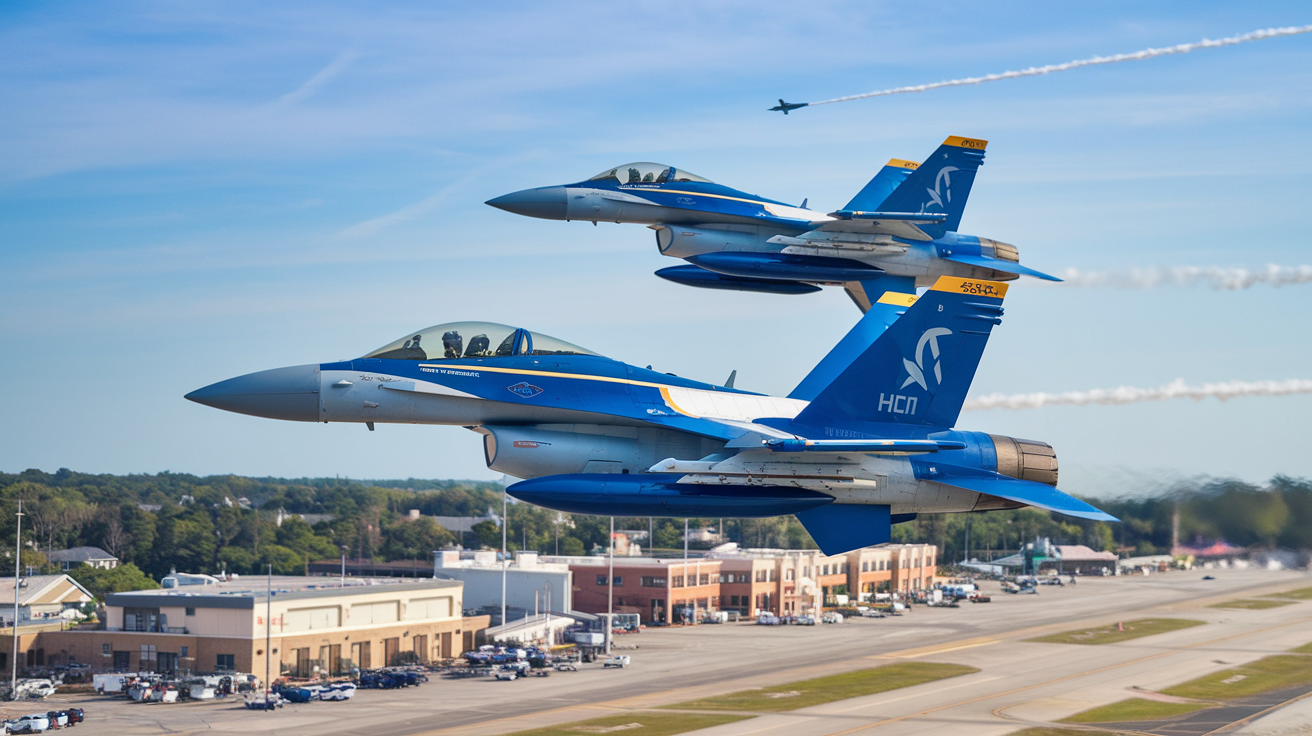
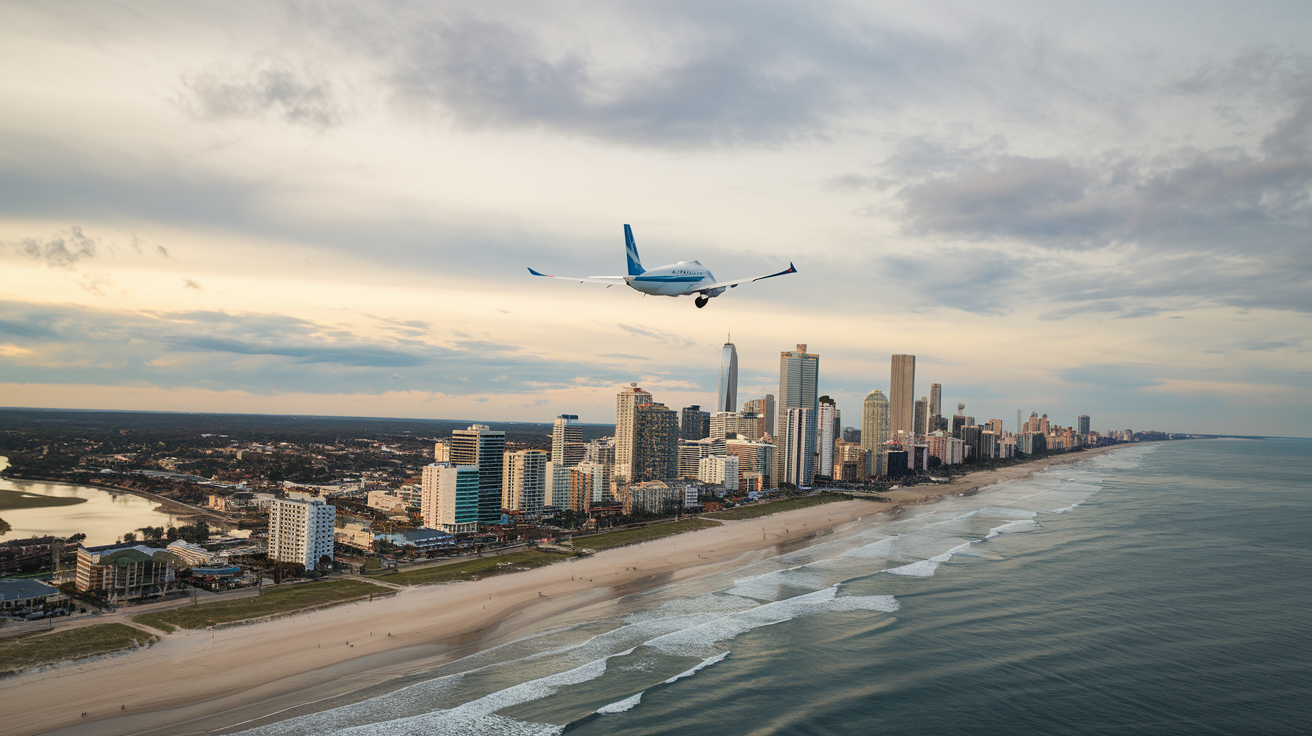
If you've been near Myrtle Beach Airport, you might have noticed military jets flying overhead. These powerful aircraft often catch the attention of visitors and locals alike. You may wonder why they fly here and what their purpose is. This article will explain the reasons behind these military flights and what you should know when you see them.
We will explore the types of military jets you might see, the training activities they perform, and how Myrtle Beach's location makes it ideal for these operations. Whether you're a local curious about the noise or a visitor wanting to understand more, this guide will help you learn about these impressive flights.
Military Jet Activity Near Myrtle Beach Airport
Myrtle Beach Airport is located in a region that sees regular military jet flights. These jets often belong to the U.S. Air Force, Navy, or Marine Corps. The military uses this area for training exercises because of its open airspace and proximity to military bases.
Military jets flying near Myrtle Beach usually perform training missions such as aerial maneuvers, formation flying, and practice landings. These exercises help pilots stay sharp and ready for real missions. The flights are carefully coordinated to avoid interfering with commercial air traffic at the airport.
Jets include models like the F-16 Fighting Falcon and F/A-18 Hornet.
Training flights often happen during weekdays and daylight hours.
The military coordinates with Myrtle Beach Airport to ensure safety.
Why Myrtle Beach Is a Popular Training Location
Myrtle Beach offers several advantages for military training flights. The area has less crowded skies compared to major cities, which allows pilots to practice complex maneuvers safely. The coastal environment also provides a unique setting for different types of training.
Nearby military installations, such as Marine Corps Air Station Cherry Point in North Carolina, support these operations. Pilots can fly from these bases to Myrtle Beach for training missions without long travel times. The region’s weather is generally favorable for flying most of the year.
Open airspace reduces the risk of conflicts with commercial flights.
Coastal geography offers varied training scenarios.
Close to East Coast military bases for easy access.
Good weather supports frequent flying days.
Types of Military Jets You May See
Several types of military jets fly near Myrtle Beach Airport. These aircraft vary in size, speed, and role. The most common jets you might spot include fighter jets and training aircraft.
Fighter jets like the F-16 Fighting Falcon are fast and agile. They are used for air combat training and tactical missions. The F/A-18 Hornet, used by the Navy and Marines, is another common jet in this area. You may also see smaller training jets like the T-6 Texan II, which helps new pilots learn flying skills.
F-16 Fighting Falcon: Single-engine fighter jet, known for speed and agility.
F/A-18 Hornet: Multi-role fighter used by Navy and Marines.
T-6 Texan II: Trainer aircraft for pilot instruction.
Other aircraft: Occasionally, larger military planes or helicopters may be seen.
What to Expect When Military Jets Fly Over
Hearing military jets can be loud and surprising if you are not used to it. The sound comes from the powerful engines and the speed of the aircraft. These jets often fly at low altitudes during training, which makes the noise more noticeable.
Military flights are generally safe and controlled. Pilots follow strict rules to avoid accidents and minimize disturbance. If you are near Myrtle Beach Airport, you might see jets flying in formation or performing sharp turns. These flights usually last from a few minutes to an hour.
Expect loud engine noise during flyovers.
Flights typically occur during daytime hours.
Jets may fly in groups or solo.
Occasionally, you might see practice landings or takeoffs.
How Military Flights Affect Myrtle Beach Visitors
Military jet flights can add excitement to your visit to Myrtle Beach. Aviation enthusiasts especially enjoy watching these jets in action. However, some visitors may find the noise disruptive, especially near the airport or beaches.
Local hotels and businesses near the airport are used to these flights and often inform guests about the activity. If you plan to stay close to Myrtle Beach Airport, it helps to know when flights usually happen. This way, you can decide if the jet noise will affect your stay.
Jet noise is louder near the airport and flight paths.
Many visitors find the flights interesting and unique.
Check with your hotel about typical flight times.
Earplugs can help if noise bothers you.
Safety and Regulations for Military Flights
The military follows strict safety rules when flying near civilian airports like Myrtle Beach. The Federal Aviation Administration (FAA) works with the military to manage airspace and prevent conflicts. Military pilots undergo rigorous training to fly safely around other aircraft and populated areas.
Flight paths and altitudes are carefully planned. The military also notifies the public about special exercises or events that might increase jet activity. This cooperation helps keep both military and civilian flights safe.
FAA and military coordinate flight schedules and routes.
Pilots follow strict protocols to avoid accidents.
Public notifications are issued for special training events.
Military jets maintain safe distances from commercial flights.
How to Experience Military Jet Flights Safely
If you want to watch military jets near Myrtle Beach Airport, there are safe ways to do it. You can visit public areas near the airport or beaches where the jets often fly overhead. Many locals enjoy spotting jets from parks or open spaces.
Remember to stay clear of restricted zones and never enter airport property without permission. Use binoculars or cameras with zoom lenses for a better view. Watching jets can be thrilling, but safety should always come first.
Visit public parks or beaches near flight paths.
Use binoculars or zoom cameras for close views.
Stay outside restricted airport areas.
Follow local rules and respect safety signs.
Conclusion
Military jets fly over Myrtle Beach Airport mainly for training and practice. The area's open skies, good weather, and nearby military bases make it ideal for these flights. You can expect to see fast jets like the F-16 and F/A-18 performing maneuvers during the day.
While the noise may surprise some visitors, these flights are safe and well-coordinated. Watching military jets can add a unique experience to your trip to Myrtle Beach. By understanding why these flights happen, you can better appreciate the skill and purpose behind them.
FAQs
Why do military jets fly so low near Myrtle Beach Airport?
Military jets fly low during training to practice maneuvers and landings. Low altitude flights help pilots improve skills needed for real missions. These flights are carefully planned to ensure safety and avoid disturbing commercial air traffic.
Are military jet flights near Myrtle Beach dangerous?
No, military flights near Myrtle Beach follow strict safety rules. Pilots are highly trained, and the military coordinates with the FAA to keep flights safe. The risk to the public is very low during these controlled training exercises.
Can visitors watch military jets flying near Myrtle Beach?
Yes, visitors can watch military jets from public areas near the airport or beaches. Parks and open spaces along flight paths offer good views. Always stay in safe, legal areas and respect airport property boundaries.
What types of military jets fly over Myrtle Beach?
You may see fighter jets like the F-16 Fighting Falcon and F/A-18 Hornet, as well as training aircraft like the T-6 Texan II. These jets belong to the Air Force, Navy, or Marine Corps and perform various training missions.
When do military jets usually fly near Myrtle Beach Airport?
Military jets typically fly during weekdays and daylight hours. Training schedules depend on weather and military needs. Flights may be less frequent on weekends and holidays, but occasional activity can still occur.