Is Myrtle Beach Becoming a Smart City? Latest Insights
Explore Myrtle Beach's journey toward becoming a smart city with tech upgrades, sustainable plans, and improved visitor experiences.
Introduction
If you are planning a trip to Myrtle Beach or thinking about living there, you might wonder if it is becoming a smart city. A smart city uses technology to improve daily life, traffic, safety, and the environment. Myrtle Beach is a popular coastal city in South Carolina known for its beaches, golf courses, and family fun.
In this article, we will explore what makes a city smart and how Myrtle Beach is moving toward that goal. You will learn about the technology projects, sustainability efforts, and plans that could make your visit or stay better and easier.
What Does It Mean to Be a Smart City?
A smart city uses digital tools and data to improve how it works. This can include better traffic flow, cleaner energy, safer streets, and easier access to services. The goal is to make life more comfortable and efficient for residents and visitors.
Key features of a smart city include:
Smart traffic lights that reduce congestion
Public Wi-Fi in busy areas
Energy-efficient street lighting
Real-time information on public transport
Waste management using sensors
Environmental monitoring for cleaner air and water
Smart cities also focus on sustainability and reducing their carbon footprint. This means using renewable energy and encouraging eco-friendly transportation like biking and electric vehicles.
Current Technology and Infrastructure in Myrtle Beach
Myrtle Beach has started adopting some smart city features, but it is still early in the process. The city has invested in improving its infrastructure to support more technology in the future.
Some examples include:
Upgraded traffic signals on major roads to improve flow during busy tourist seasons
Public Wi-Fi hotspots in downtown and popular beach areas
Energy-efficient LED streetlights replacing older bulbs
Mobile apps that help visitors find parking and local events
These steps show Myrtle Beach is interested in using technology to improve visitor experience and city operations.
Smart City Projects and Plans in Myrtle Beach
The city government and local businesses have announced plans to expand smart city projects. These include:
Smart Traffic Management: Installing sensors and cameras to monitor traffic and adjust signals in real time, reducing jams during peak times.
Public Safety Enhancements: Using connected cameras and emergency alert systems to improve response times and keep residents safe.
Environmental Monitoring: Setting up sensors to track air and water quality, especially important for a coastal city.
Renewable Energy Initiatives: Encouraging solar panel installations on public buildings and promoting electric vehicle charging stations.
Tourism Tech: Developing apps that provide real-time updates on beach conditions, events, and local attractions.
These projects are in various stages, with some already underway and others planned for the next few years.
Sustainability and Environmental Efforts
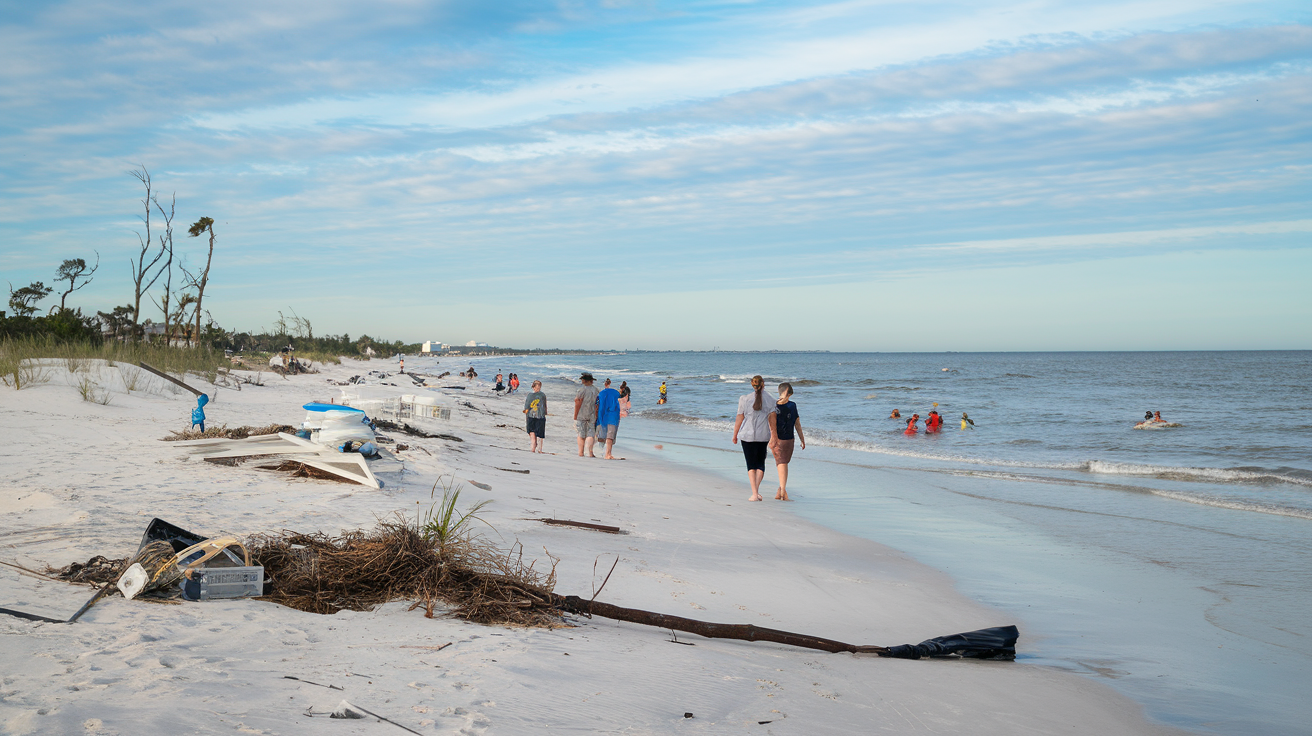
Myrtle Beach is aware of its environmental challenges, such as coastal erosion and storm risks. Becoming a smart city means addressing these issues with technology and smart planning.
Current sustainability efforts include:
Beach nourishment projects to protect shorelines
Stormwater management systems to reduce flooding
Promotion of green building practices in new developments
Community recycling programs and waste reduction campaigns
By integrating smart sensors and data analysis, the city plans to better monitor environmental conditions and respond quickly to problems.
How Smart City Features Benefit Visitors
For travelers, smart city features can make a big difference. Myrtle Beach aims to enhance your visit by:
Reducing traffic delays with smart signals and real-time updates
Providing free Wi-Fi in popular spots for easy navigation and sharing experiences
Offering apps that help you find parking, events, and dining options quickly
Ensuring safer streets with improved lighting and emergency systems
Keeping beaches cleaner and safer through environmental monitoring
These improvements can help you enjoy your trip with less hassle and more convenience.
Challenges Myrtle Beach Faces in Becoming a Smart City
While Myrtle Beach has made progress, there are challenges to becoming a fully smart city. These include:
Funding: Smart city projects require significant investment, and budgets can be tight.
Infrastructure: Upgrading old systems and expanding broadband access can be complex.
Privacy Concerns: Using cameras and sensors raises questions about data security and privacy.
Seasonal Population: The city’s population swells in summer, making it harder to manage resources year-round.
Coordination: Multiple agencies and private companies must work together smoothly.
Addressing these challenges will be key to Myrtle Beach’s smart city success.
Comparing Myrtle Beach to Other Smart Cities
Some U.S. cities are well ahead in smart city development, like San Diego, Austin, and Boston. They have extensive sensor networks, smart grids, and open data platforms.
Myrtle Beach is smaller and focused more on tourism, so its smart city approach is different. It prioritizes:
Enhancing visitor experience
Protecting the coastal environment
Managing seasonal crowds
This means Myrtle Beach’s smart city features are tailored to its unique needs, rather than a one-size-fits-all model.
How to Experience Smart Features When Visiting Myrtle Beach
If you want to see Myrtle Beach’s smart city efforts firsthand, here’s how you can:
Use the city’s official tourism apps for real-time updates on parking and events.
Visit downtown areas and the beachfront where free public Wi-Fi is available.
Look for LED streetlights and smart traffic signals that adjust to traffic flow.
Check out electric vehicle charging stations if you drive an EV.
Attend local events that showcase sustainability and technology, like green fairs or tech expos.
These experiences show how technology is improving the city for everyone.
Future Outlook: What to Expect from Myrtle Beach’s Smart City Journey
Myrtle Beach is on a steady path toward becoming a smart city. Over the next few years, you can expect:
More connected traffic systems to reduce congestion
Expanded public Wi-Fi zones and mobile app features
Increased use of renewable energy and electric vehicle infrastructure
Better environmental monitoring to protect beaches and waterways
Stronger partnerships between city officials, businesses, and residents
These changes aim to make Myrtle Beach a safer, cleaner, and more enjoyable place to visit and live.
Conclusion
Myrtle Beach is taking important steps toward becoming a smart city. While it is not fully there yet, the city’s focus on technology, sustainability, and visitor experience shows promise.
If you plan to visit, you will likely notice improvements like better traffic flow, public Wi-Fi, and cleaner beaches. These smart city features will make your trip easier and more fun. Keep an eye on Myrtle Beach’s progress as it grows into a modern, connected coastal city.
FAQs
What is a smart city?
A smart city uses technology and data to improve services like traffic, safety, and the environment. It aims to make life easier and better for residents and visitors.
Does Myrtle Beach have free public Wi-Fi?
Yes, Myrtle Beach offers free Wi-Fi in popular areas like downtown and along the beachfront to help visitors stay connected.
Are there electric vehicle charging stations in Myrtle Beach?
Yes, the city is adding more EV charging stations, especially near hotels, shopping centers, and public parking areas.
How does Myrtle Beach manage traffic during busy seasons?
The city uses upgraded traffic signals and plans smart traffic management systems to reduce congestion during peak tourist times.
Is Myrtle Beach focusing on sustainability?
Yes, Myrtle Beach has projects for beach protection, stormwater management, recycling, and promoting renewable energy to protect its environment.