Is Myrtle Beach Ocean Safe to Swim In?
Discover if Myrtle Beach ocean water is safe for swimming with tips on water quality, safety, and best spots to enjoy the waves.
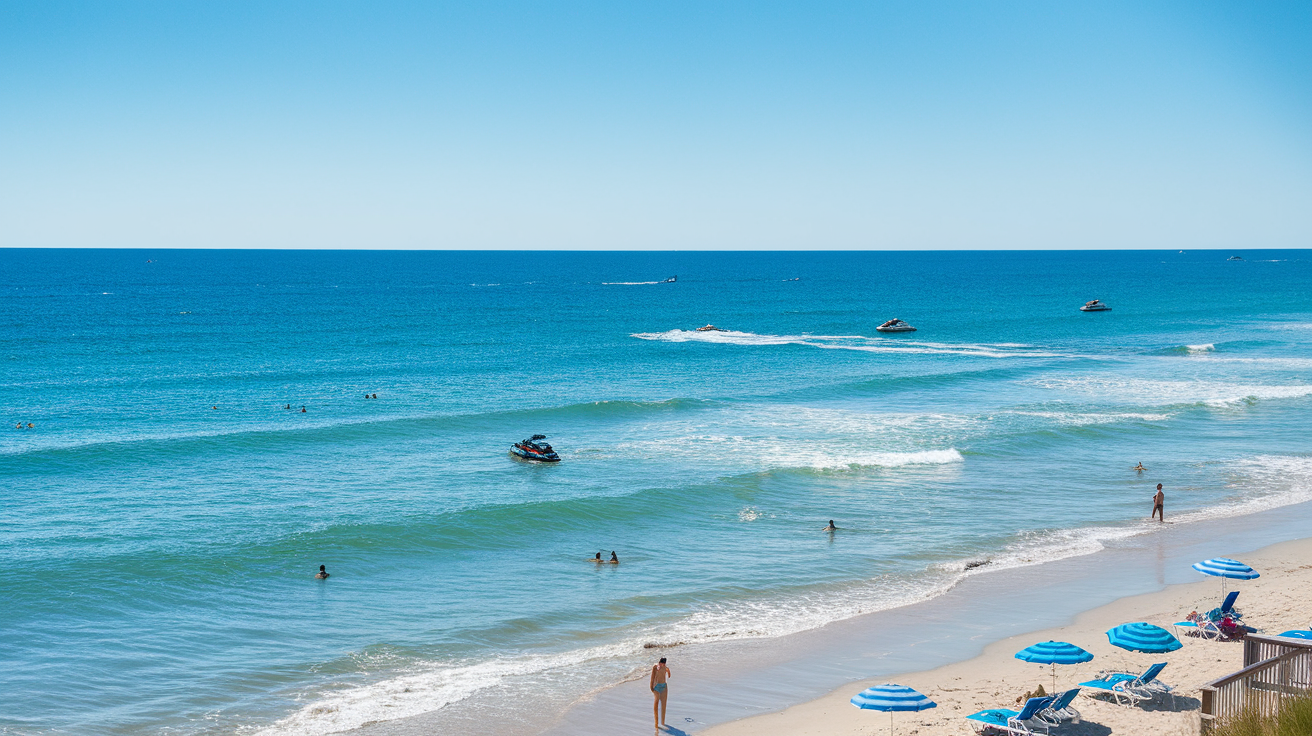
Myrtle Beach is a top destination for beach lovers. You might wonder if the ocean here is safe to swim in. We will explore water quality, safety tips, and the best places to enjoy the ocean waves. Knowing this helps you plan a fun and safe beach trip.
We will also cover how to check water conditions, what to watch for, and local advice. Whether you visit in summer or off-season, this guide helps you enjoy Myrtle Beach’s ocean with confidence.
Understanding Myrtle Beach Ocean Water Quality
The ocean water at Myrtle Beach is generally safe for swimming. Local authorities monitor water quality regularly to keep swimmers safe. The South Carolina Department of Health and Environmental Control (DHEC) tests for bacteria and pollution.
Here are key points about water quality:
Water is tested weekly during peak season (May to September).
Tests check for bacteria like E. coli, which can cause illness.
Results are posted online and at beach entrances.
Most days, water meets safety standards for swimming.
After heavy rain, bacteria levels may rise, so swimming is not advised.
Checking water quality before swimming is smart. You can visit the DHEC website or local news for updates. This helps you avoid swimming when water is unsafe.
When Is Myrtle Beach Ocean Best for Swimming?
The best time to swim in Myrtle Beach ocean is late spring through early fall. Water temperatures are warmer, and beach services are fully open. Here’s what to expect by season:
Late Spring (May-June): Water warms to around 70°F. Good for swimming with fewer crowds.
Summer (July-August): Warmest water, about 80°F. Most popular time to swim.
Early Fall (September-October): Water stays warm, fewer tourists, and calm waves.
Winter (November-April): Water is cold, usually below 60°F. Swimming is less common.
During summer, lifeguards are on duty at many beaches. This adds safety for swimmers. Avoid swimming alone or at night, even when lifeguards are present.
Safety Tips for Swimming in Myrtle Beach Ocean
Swimming in the ocean is fun but requires care. Follow these safety tips to stay safe in Myrtle Beach waters:
Swim near lifeguard stations when possible.
Watch for posted signs about water conditions or hazards.
Be cautious of rip currents. If caught, swim parallel to shore to escape.
Don’t swim after heavy rain or if water looks cloudy.
Keep an eye on children at all times.
Use sunscreen to protect from sunburn.
Stay hydrated and take breaks from swimming.
Local lifeguards and beach patrols are trained to help. If you see someone in trouble, alert them immediately.
Common Ocean Hazards at Myrtle Beach
While Myrtle Beach ocean is mostly safe, some hazards exist. Knowing these helps you avoid trouble:
Rip Currents: Strong currents that pull swimmers out to sea. They can be dangerous if you panic.
Jellyfish: Occasionally found in summer. Their stings can hurt but are rarely serious.
Sharp Shells and Rocks: Can cut feet. Wearing water shoes helps.
Sudden Drop-offs: Some areas have quick depth changes. Swim where the water is shallow if unsure.
Boating and Jet Skis: Stay clear of marked boating zones to avoid accidents.
Being aware of these hazards keeps your swim safe and enjoyable.
Best Myrtle Beach Spots for Safe Ocean Swimming
Some areas of Myrtle Beach are better for swimming than others. Here are top spots known for safe and fun ocean swimming:
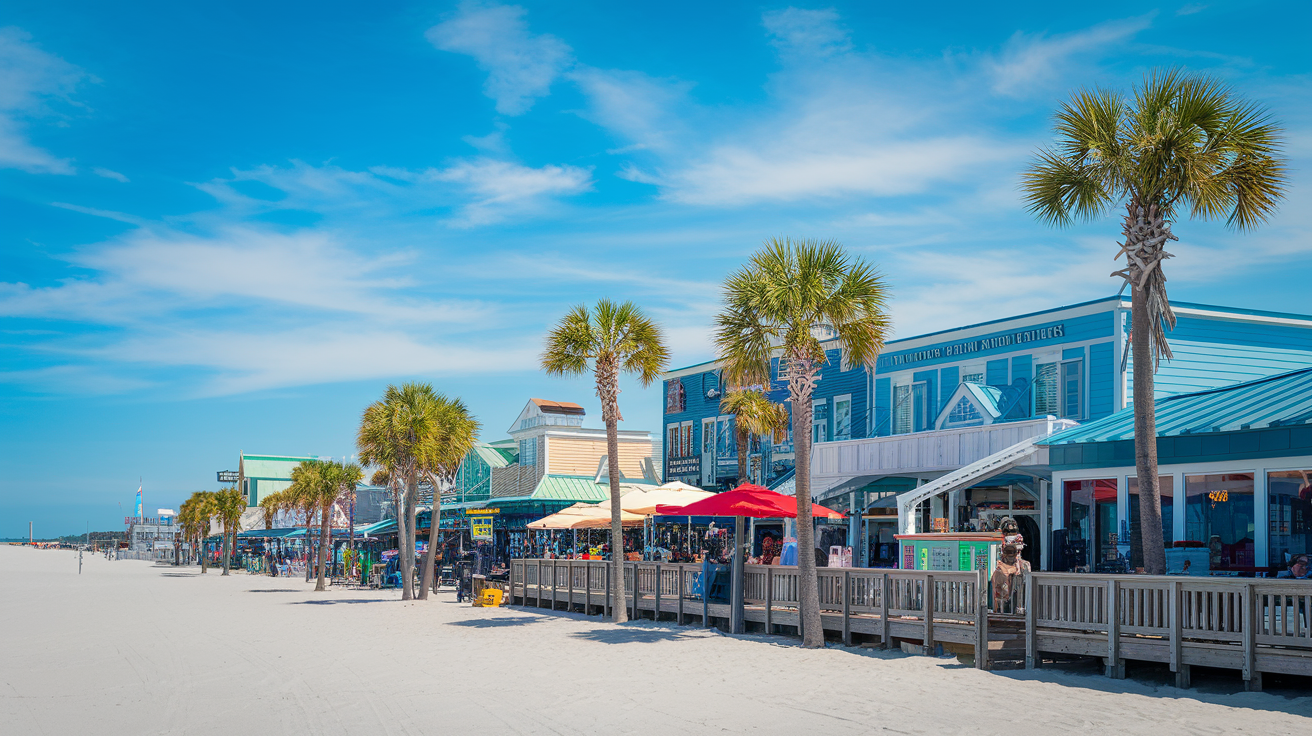
Main Beach: Located near the Myrtle Beach Boardwalk, it has lifeguards and calm water.
North Myrtle Beach: Quieter with clean water and lifeguard coverage.
Surfside Beach: Family-friendly with gentle waves and good water quality.
Garden City Beach: Less crowded, good for swimmers who want peace.
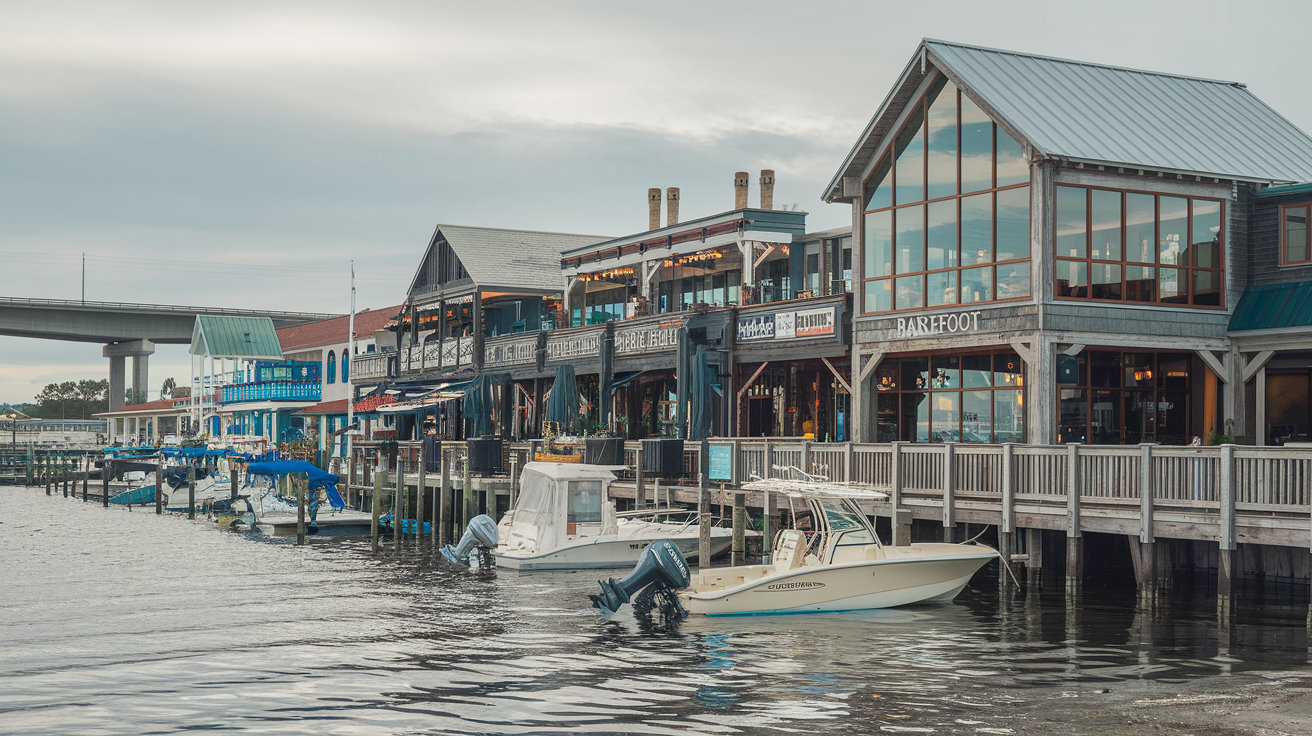
Murrells Inlet: Offers clean ocean spots with fewer tourists.
Choose beaches with lifeguards and clear water signs for the best experience.
How to Check Myrtle Beach Ocean Conditions Before Swimming
Before you jump in, it’s smart to check ocean conditions. Here’s how you can do that:
Visit the South Carolina DHEC website for water quality reports.
Check local news or weather apps for beach advisories.
Look for posted signs at beach entrances about water safety.
Ask lifeguards about current conditions.
Use apps like Beachsafe or Swim Guide for real-time updates.
Checking these sources helps you avoid unsafe water and plan your swim times.
Tips for Families Swimming in Myrtle Beach Ocean
Families with kids need extra care at the beach. Here are tips to keep your family safe and happy while swimming:
Choose beaches with lifeguards and shallow water.
Use life jackets for young or weak swimmers.
Keep children within arm’s reach near water.
Teach kids about rip currents and staying close to shore.
Bring shade, water, and snacks for breaks.
Apply waterproof sunscreen often.
Pick calm days with small waves for young kids.
Following these tips makes the ocean fun for the whole family.
What to Do If You Get Stung by Jellyfish in Myrtle Beach
Jellyfish stings can happen but are usually mild. If you or someone in your group gets stung:
Rinse the area with vinegar or salt water (not fresh water).
Remove tentacles carefully with tweezers or gloves.
Apply a cold pack to reduce pain and swelling.
Take over-the-counter pain relievers if needed.
Seek medical help if there is trouble breathing or severe pain.
Most stings heal quickly with simple care.
Planning Your Myrtle Beach Ocean Swim Trip
To enjoy your ocean swim, plan ahead. Here are some tips:
Check weather and water quality before your trip.
Pack swimwear, towels, sunscreen, and water shoes.
Arrive early to find good parking and avoid crowds.
Bring snacks and drinks for energy.
Know where lifeguard stations and restrooms are.
Set a meeting spot if you get separated.
Good planning helps you relax and enjoy the ocean safely.
Conclusion
Myrtle Beach ocean water is generally safe for swimming. Regular testing and lifeguard presence make it a good choice for families and visitors. Checking water quality and weather before swimming is important, especially after rain.
By following safety tips and choosing the right beach spots, you can enjoy Myrtle Beach’s waves with peace of mind. Whether you swim in summer or early fall, the ocean here offers fun and refreshing experiences for all ages.
FAQs
Is the water at Myrtle Beach clean enough for swimming?
Yes, Myrtle Beach ocean water is regularly tested and usually meets safety standards. Avoid swimming after heavy rain when bacteria levels can rise.
Are there lifeguards on duty at Myrtle Beach beaches?
Yes, many popular beaches have lifeguards during peak season, especially in summer. Swimming near lifeguards is safer.
Can I swim in Myrtle Beach ocean year-round?
While you can swim year-round, water is cold in winter. The best swimming months are late spring through early fall when water is warmer.
What should I do if I get caught in a rip current?
Stay calm and swim parallel to the shore to escape the current. Then swim back to the beach at an angle. Don’t try to swim directly against the current.
Are jellyfish common in Myrtle Beach ocean?
Jellyfish appear occasionally in summer. Their stings can hurt but are rarely serious. Follow first aid steps if stung and seek help if needed.