Is Myrtle Beach Ghetto to Live? Neighborhoods & Safety Guide
Explore Myrtle Beach neighborhoods, safety, and living conditions to find the best areas for your stay or move with practical local insights.
Myrtle Beach is a popular coastal city in South Carolina known for its beaches, golf courses, and vibrant tourism scene. If you are thinking about moving here or staying for a while, you might wonder about the safety and quality of life. You want to know if Myrtle Beach is a good place to live or if some areas feel unsafe or rundown.
In this article, we will explore Myrtle Beach’s neighborhoods, safety levels, and what to expect when living here. We will help you understand which parts of the city are best for families, retirees, or young professionals. You will get tips on how to choose a good neighborhood and what local amenities to look for.
Understanding Myrtle Beach: A Coastal City with Variety
Myrtle Beach is a mix of tourist hotspots, residential neighborhoods, and growing communities. It has a population of about 35,000 people, but the number swells during the tourist season. The city offers many attractions, including beaches, shopping centers, and entertainment venues.
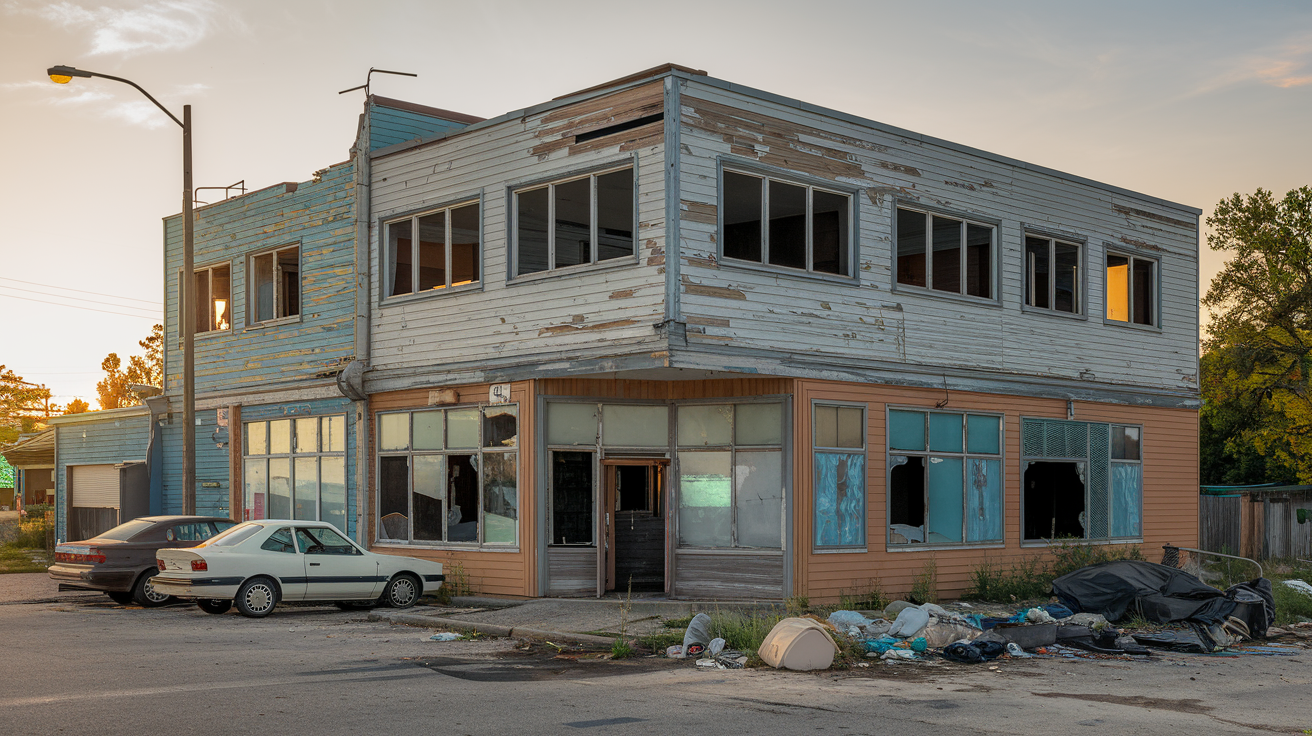
Like many cities, Myrtle Beach has areas that are well-maintained and others that may have more challenges. It is important to know that the term "ghetto" is often used loosely but can be misleading. Instead, focus on facts about crime rates, housing quality, and community resources.
Myrtle Beach is known for its affordable cost of living compared to bigger cities.
The city has a mix of older homes and new developments.
Tourism drives much of the local economy, affecting some neighborhoods more than others.
Is Myrtle Beach Safe? Crime and Neighborhoods
Safety is a top concern when choosing where to live. Myrtle Beach has areas with low crime and others with higher crime rates. Overall, the city’s crime rate is higher than the national average, but this varies widely by neighborhood.
Here are some key points about safety in Myrtle Beach:
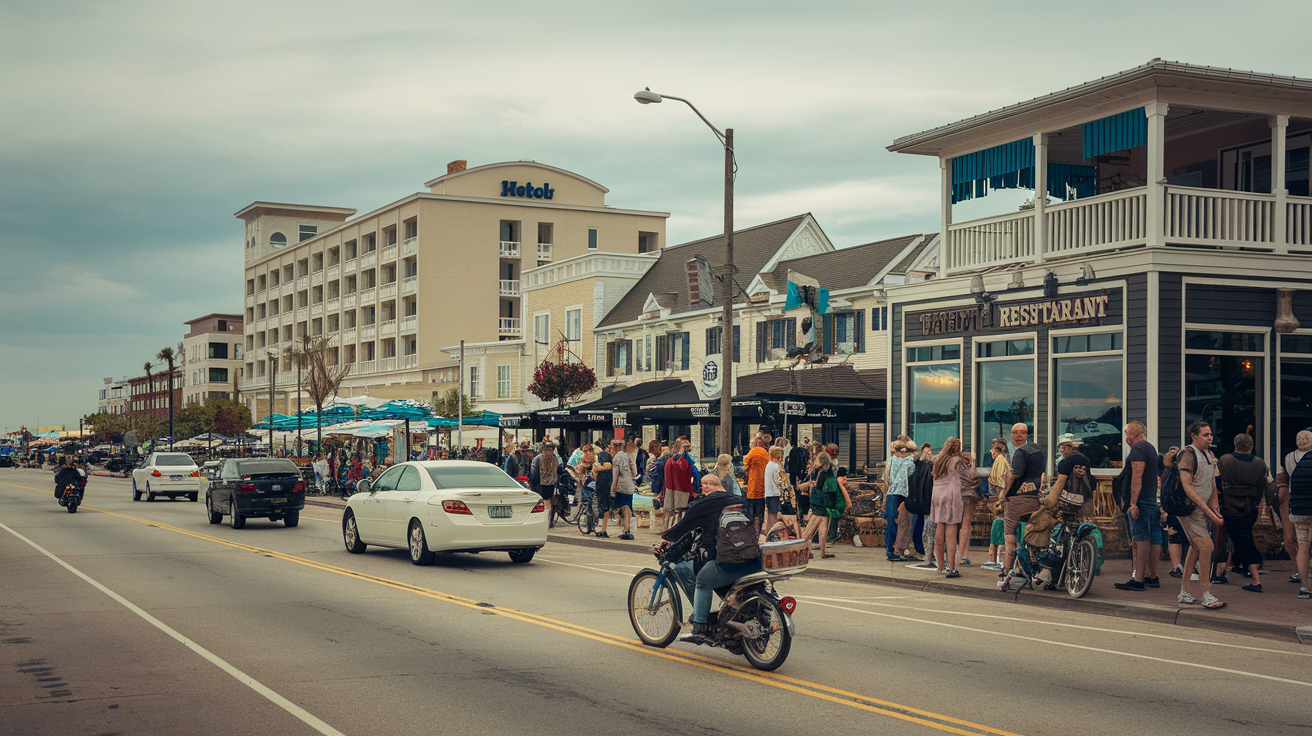
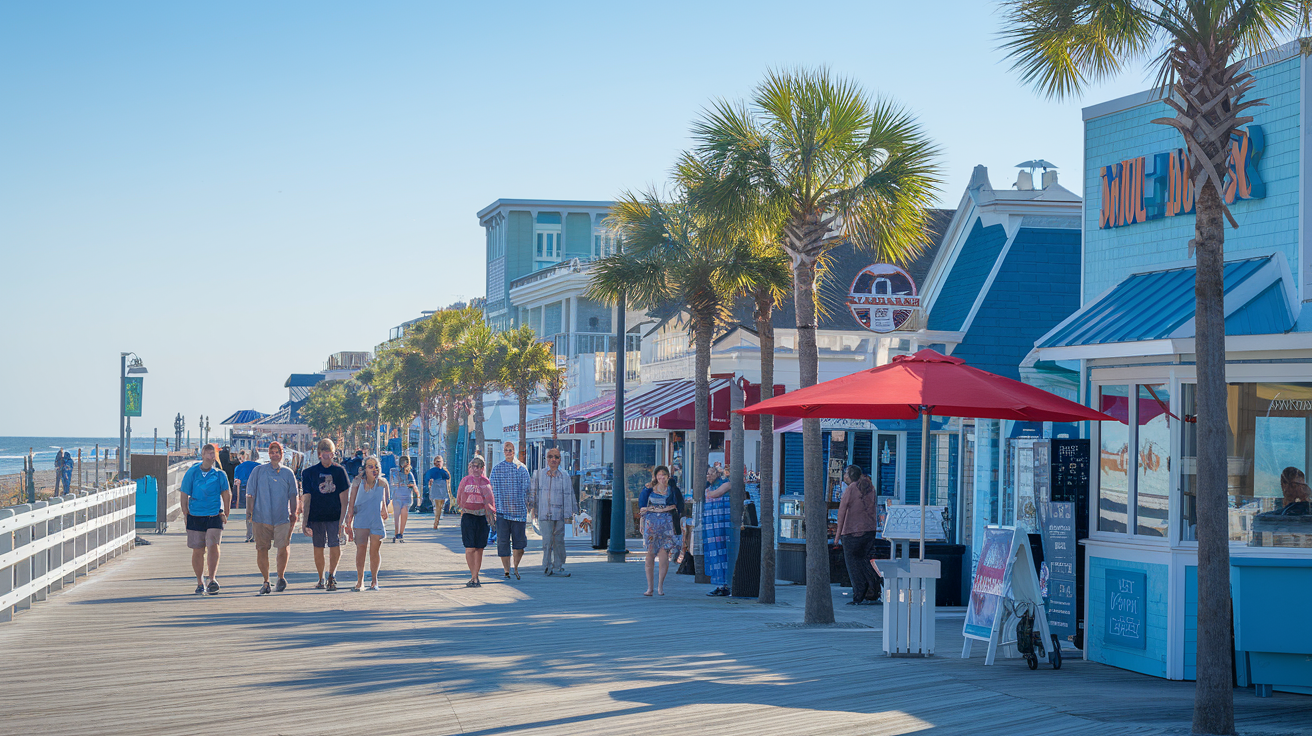
Downtown Myrtle Beach and areas near the beach can be busy and sometimes have petty crimes, especially during tourist season.
Some neighborhoods on the north and west sides have higher rates of property crime and occasional violent crime.
Many residential areas, especially newer developments, have low crime and good community services.
Using local crime maps and talking to residents can help you get a clear picture of safety. Police presence is strong in tourist areas, which helps reduce serious crime.
Neighborhoods with Lower Crime Rates
If you want to avoid areas with safety concerns, consider these neighborhoods:
Carolina Forest: A large, planned community with schools, parks, and shopping. It is family-friendly and has low crime.
Forestbrook: Known for quiet streets and newer homes. It offers a suburban feel close to the city.
Grande Dunes: A luxury area with gated communities, golf courses, and very low crime.
Neighborhoods to Research Carefully
Some parts of Myrtle Beach have mixed reputations. These include:
Downtown Myrtle Beach: Busy with tourists and nightlife. Some areas can be noisy and have occasional crime.
West Myrtle Beach: Older neighborhoods with some economic challenges. Crime rates vary block by block.
Market Common: A popular shopping and residential area that is generally safe but can have some petty crime.
Housing and Cost of Living in Myrtle Beach
Myrtle Beach offers a range of housing options from beachfront condos to suburban homes and apartments. The cost of living is lower than many coastal cities, which attracts retirees and young families.
Here are some housing facts to consider:
Beachfront properties tend to be more expensive but offer great views and amenities.
Inland neighborhoods offer more affordable homes and quiet streets.
Rental prices vary widely depending on location and season.
When choosing where to live, consider your budget and lifestyle needs. Some affordable areas may need more maintenance or be farther from the beach.
Local Amenities and Lifestyle in Myrtle Beach
Living in Myrtle Beach means access to many amenities that improve quality of life. These include:
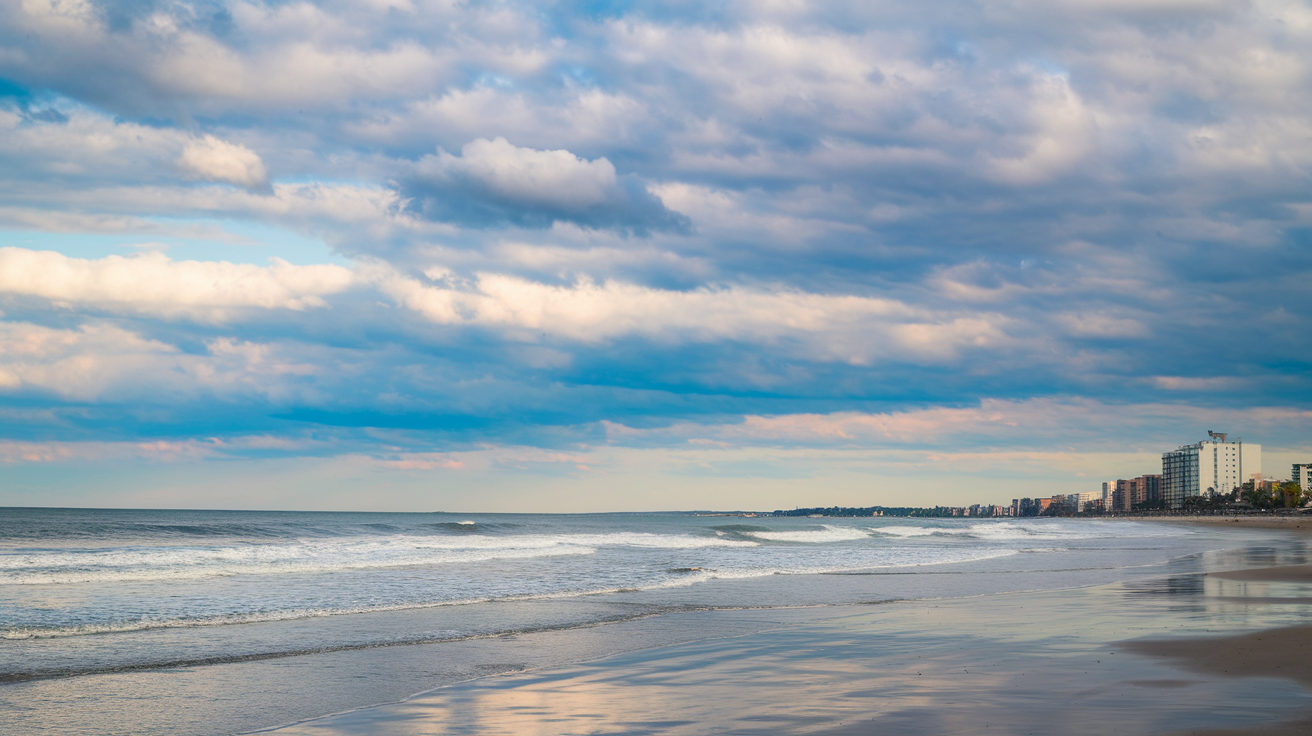
Beautiful beaches and outdoor activities like fishing, boating, and golf.
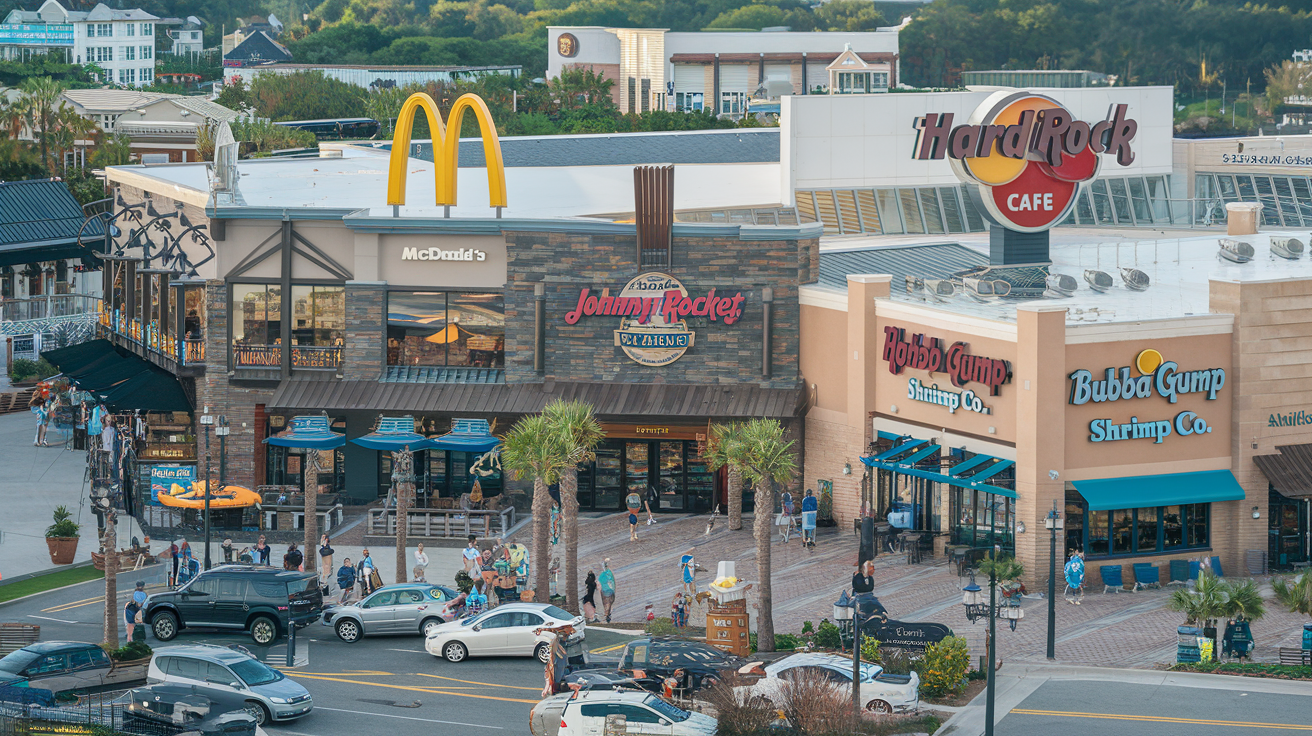
Shopping centers such as Coastal Grand Mall and Market Common.
Good schools in many neighborhoods, especially in Carolina Forest and surrounding areas.
Healthcare facilities including Grand Strand Medical Center.
The city hosts many festivals and events year-round, making it lively and fun. However, the tourist season can bring crowds and traffic.
Tips for Choosing the Right Neighborhood in Myrtle Beach
To find the best place to live, keep these tips in mind:
Visit neighborhoods at different times of day to see the atmosphere.
Check local crime maps and talk to residents or local police.
Consider proximity to work, schools, and amenities.
Think about your lifestyle: quiet suburb or lively beach area?
Look for neighborhoods with active community groups and good maintenance.
Transportation and Convenience in Myrtle Beach
Myrtle Beach is a car-friendly city with several main roads and highways. Public transportation is limited but includes bus routes connecting key areas.
Consider these points about getting around:
Owning a car is helpful for commuting and exploring.
Traffic can increase during tourist season, especially near the beach.
Bike lanes and walking paths are growing in some neighborhoods.
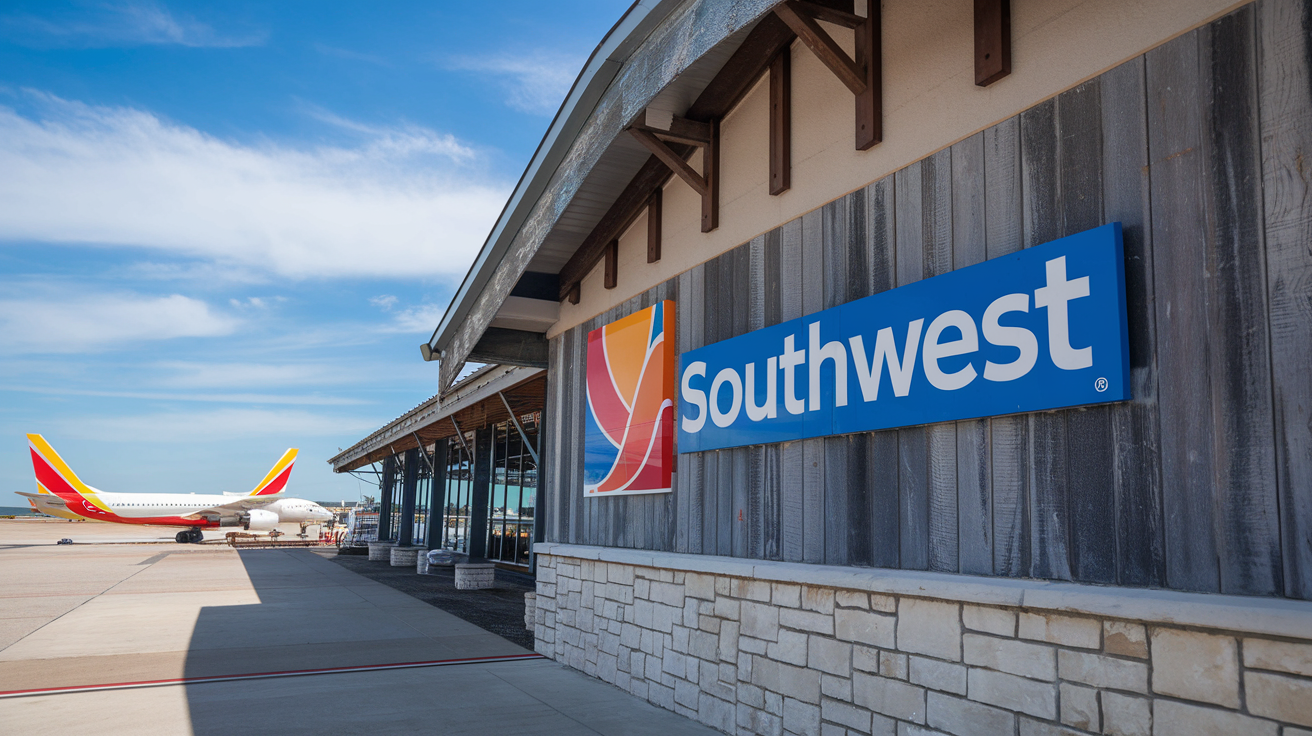
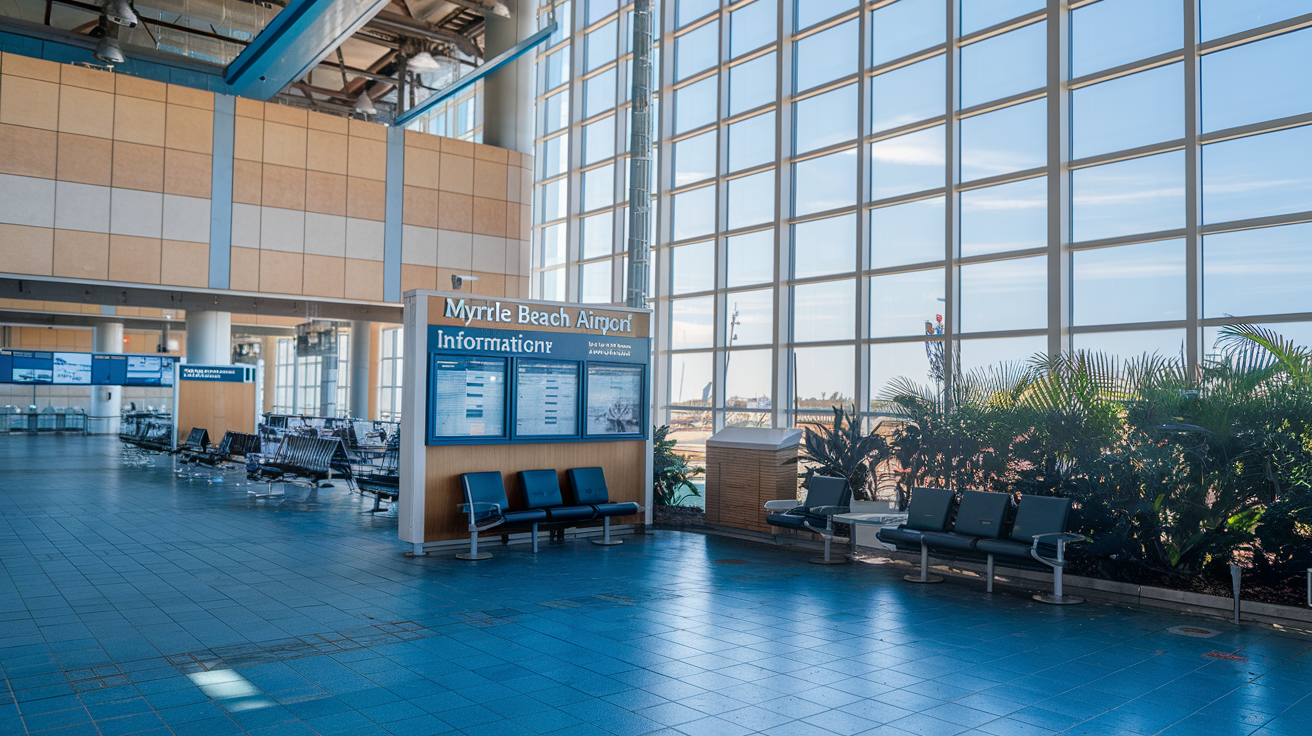
Airport access is easy via Myrtle Beach International Airport.
Living in Myrtle Beach: Pros and Cons
Like any city, Myrtle Beach has advantages and challenges for residents.
Pros:
Affordable coastal living with many outdoor activities.
Warm climate and beautiful beaches.
Growing economy with tourism and retirement communities.
Variety of housing options for different budgets.
Cons:
Higher crime rates in some neighborhoods.
Seasonal crowds and traffic during peak tourist months.
Some areas need more investment and maintenance.
Limited public transportation options.
Conclusion
Myrtle Beach is not a "ghetto" city, but like many places, it has neighborhoods with different safety and living conditions. You can find safe, family-friendly areas with good schools and amenities if you research carefully.
Whether you want to live near the beach or in a quiet suburb, Myrtle Beach offers many options. Use local resources, visit neighborhoods, and talk to residents to find the best fit for your lifestyle. With the right choice, you can enjoy all the benefits of this vibrant coastal city.
FAQs
Is Myrtle Beach a safe place to live?
Myrtle Beach has areas with low crime and others with higher crime rates. Many neighborhoods are safe and family-friendly, especially planned communities like Carolina Forest and Grande Dunes. Researching specific areas helps ensure safety.
Which Myrtle Beach neighborhoods are best for families?
Carolina Forest, Forestbrook, and Grande Dunes are popular with families. These areas offer good schools, parks, and low crime rates, making them ideal for raising children.
Is the cost of living high in Myrtle Beach?
The cost of living in Myrtle Beach is generally lower than many other coastal cities. Housing varies from affordable inland homes to pricier beachfront condos, offering options for different budgets.
What should I know about crime in downtown Myrtle Beach?
Downtown Myrtle Beach is busy with tourists and nightlife. While it has some petty crime, police presence is strong. Visitors and residents should stay aware, especially at night.
How can I find the best neighborhood to live in Myrtle Beach?
Visit neighborhoods at different times, check crime maps, and talk to locals. Consider your budget, lifestyle, and proximity to work or schools to choose the best area for you.