What Happened to the Brown Pelicans at Myrtle Beach?
Discover what happened to the brown pelicans at Myrtle Beach, their comeback story, and where to see them today.
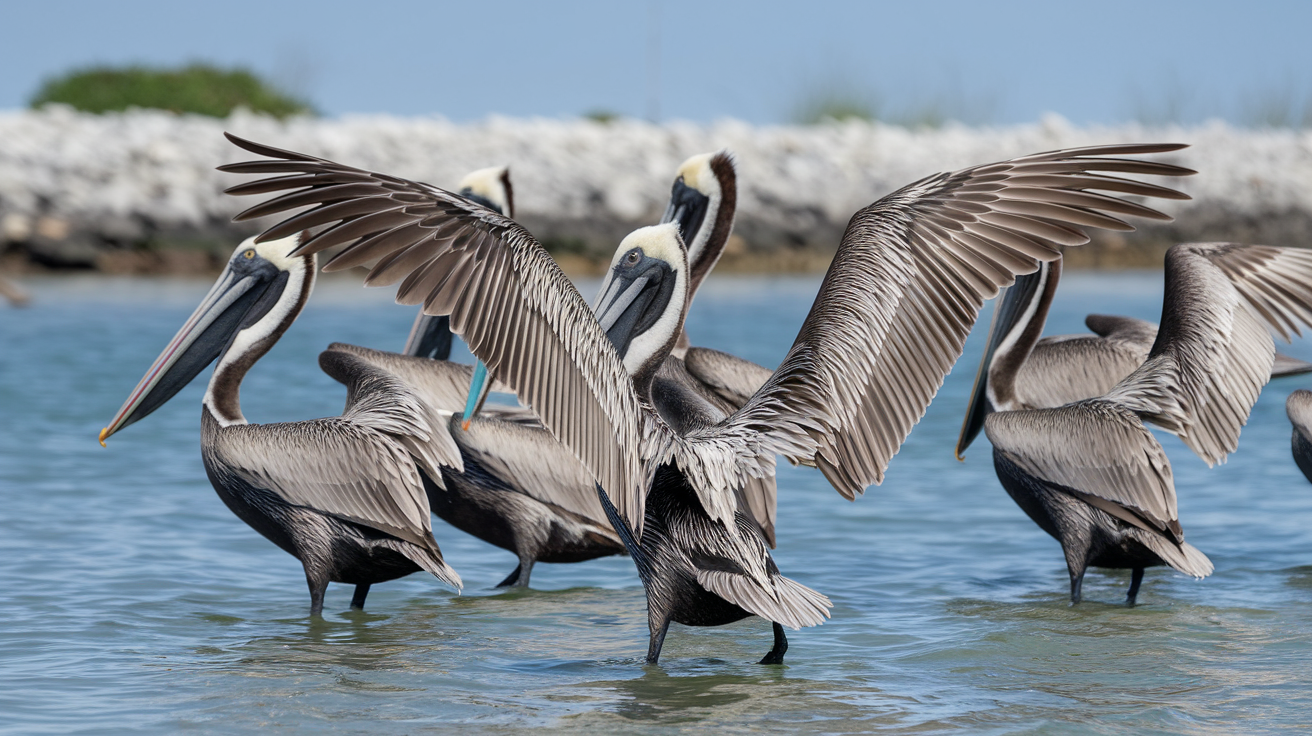
If you have visited Myrtle Beach in the past, you might have noticed the absence of brown pelicans along the coastline. These large, graceful birds were once a common sight, gliding over the waves and resting on piers. But over time, their numbers dwindled, leaving many visitors and locals wondering what happened to them.
In this article, we will explore the history of brown pelicans at Myrtle Beach, the challenges they faced, and the efforts made to bring them back. We will also share tips on where you can spot these beautiful birds today and how you can help protect their habitat.
The History of Brown Pelicans at Myrtle Beach
Brown pelicans have been part of the coastal ecosystem along South Carolina for centuries. They are known for their large bodies, long beaks, and distinctive throat pouches used for catching fish. Myrtle Beach, with its sandy shores and rich fishing grounds, was once a thriving home for these birds.
However, in the mid-20th century, brown pelican populations began to decline sharply. This decline was especially noticeable in the 1950s and 1960s. Several factors contributed to this drop:
Pesticide Pollution: Chemicals like DDT were widely used in agriculture and entered the water system. These pesticides thinned the pelicans' eggshells, causing many eggs to break before hatching.
Habitat Loss: Coastal development and increased human activity disturbed nesting sites and feeding areas.
Overfishing: Reduced fish populations meant less food for pelicans.
Hunting and Disturbance: In some areas, pelicans were hunted or scared away by boats and beachgoers.
By the late 1960s, brown pelicans had almost disappeared from Myrtle Beach and much of the southeastern U.S. coast.
Conservation Efforts and Recovery
Recognizing the brown pelican’s decline, conservation groups and government agencies took action. The brown pelican was listed as an endangered species in 1970. This status helped protect the birds and their habitats.
Key steps in the recovery included:
Banning DDT: The U.S. banned DDT in 1972, which stopped further pesticide damage to pelican eggs.
Habitat Protection: Coastal areas were preserved, and nesting sites were protected from human disturbance.
Captive Breeding and Release: Programs bred pelicans in captivity and released them into the wild to boost populations.
Public Education: Campaigns helped people understand the importance of pelicans and how to avoid disturbing them.
Thanks to these efforts, brown pelican numbers began to rise again. By the 1990s, they were no longer considered endangered. Today, they are a common sight again along the South Carolina coast, including Myrtle Beach.
Where to See Brown Pelicans at Myrtle Beach Today
If you want to see brown pelicans during your visit to Myrtle Beach, there are several good spots and tips to keep in mind:
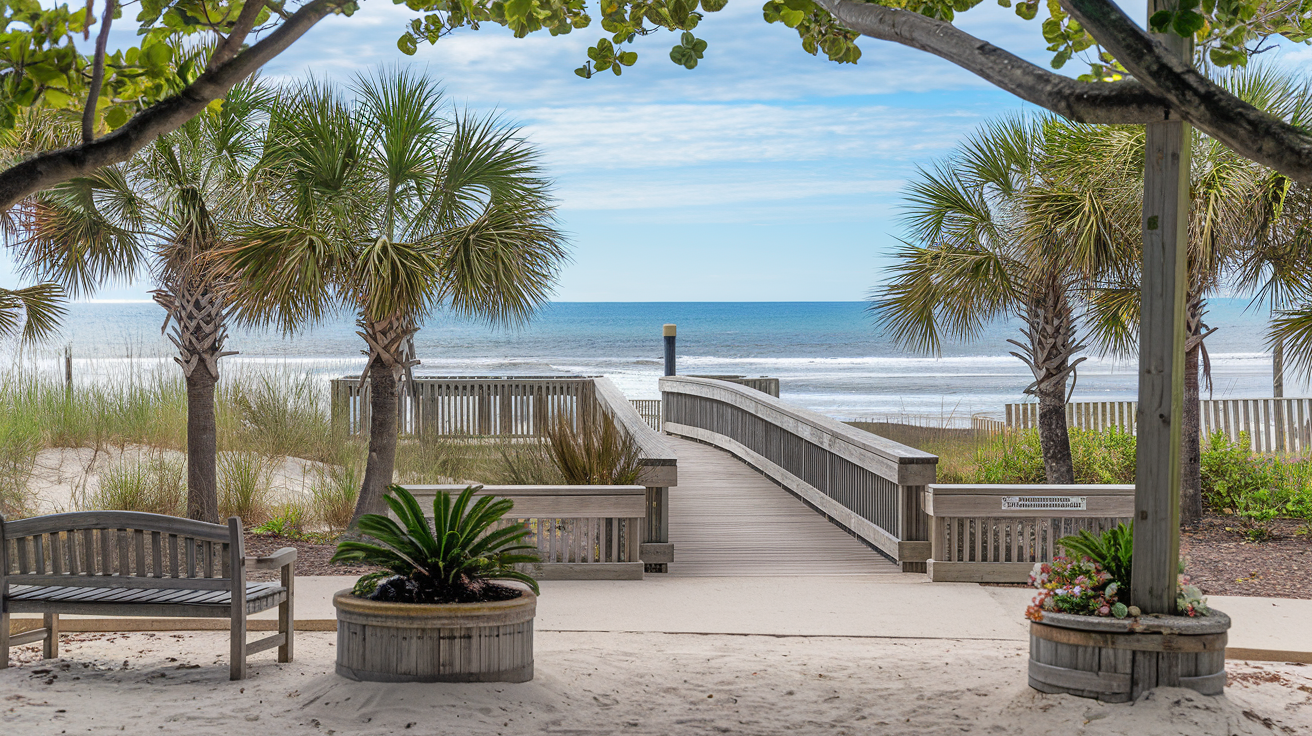
Piers and Boardwalks: Pelicans often rest on fishing piers like the Myrtle Beach State Park Pier and the Apache Pier.
Boat Tours: Taking a boat tour or fishing charter can give you a close-up view of pelicans diving for fish.
Early Morning or Late Afternoon: These are the best times to see pelicans feeding and flying along the shore.
Protected Areas: Visit places like Huntington Beach State Park or the Waccamaw National Wildlife Refuge for natural habitats where pelicans nest and feed.
Remember to keep a respectful distance and avoid disturbing the birds, especially during nesting season from spring to early summer.
How You Can Help Protect Brown Pelicans
Protecting brown pelicans is important to keep them thriving at Myrtle Beach and beyond. Here are some ways you can help:
Respect Wildlife Areas: Stay on marked trails and avoid nesting sites.
Dispose of Trash Properly: Litter can harm pelicans and their food sources.
Use Eco-Friendly Products: Avoid chemicals that can pollute waterways.
Support Conservation Groups: Donate or volunteer with local organizations working to protect coastal wildlife.
Follow Fishing Regulations: Sustainable fishing helps maintain healthy fish populations for pelicans.
By taking these simple steps, you help ensure brown pelicans remain a vibrant part of Myrtle Beach’s natural beauty.
Other Wildlife to Spot Near Myrtle Beach
While brown pelicans are a highlight, Myrtle Beach is home to many other fascinating animals. When you visit, look out for:
Sea Turtles: Loggerhead sea turtles nest on local beaches during summer.
Dolphins: Bottlenose dolphins often swim near shore and can be seen on boat tours.
Shorebirds: Species like sandpipers, gulls, and herons share the beaches with pelicans.
Alligators: Found in nearby freshwater marshes and swamps.
Exploring these creatures adds to the rich experience of Myrtle Beach’s coastal environment.
Planning Your Visit to Myrtle Beach
When planning a trip to see brown pelicans and enjoy Myrtle Beach, consider these tips:
Best Time to Visit: Spring through fall offers warm weather and active wildlife.
Stay Near the Coast: Hotels like the Marriott Resort & Spa or Hilton Myrtle Beach provide easy beach access.
Bring Binoculars: For better birdwatching from piers or shore.
Check Local Wildlife Updates: Visit the South Carolina Department of Natural Resources website for current pelican nesting info.
With a little planning, you can enjoy a memorable wildlife experience and help protect the natural treasures of Myrtle Beach.
Conclusion
The brown pelicans at Myrtle Beach faced serious challenges in the past, but thanks to strong conservation efforts, they have made a remarkable comeback. Today, these birds are once again a common and beloved part of the coastal scenery.
By understanding their history and how to protect their habitat, you can enjoy watching brown pelicans safely and responsibly. Whether you are a local or a visitor, seeing these magnificent birds adds a special touch to your Myrtle Beach experience.
FAQs
Why did brown pelicans disappear from Myrtle Beach?
Brown pelicans disappeared mainly due to pesticide pollution, especially DDT, habitat loss, overfishing, and human disturbance. These factors caused their numbers to drop sharply in the mid-1900s.
Are brown pelicans protected by law?
Yes, brown pelicans are protected under the Migratory Bird Treaty Act. They were also listed as endangered in the past, which helped enforce habitat protection and recovery efforts.
When is the best time to see brown pelicans at Myrtle Beach?
The best times are early morning and late afternoon when pelicans are most active feeding and flying along the coast.
Can I get close to brown pelicans at Myrtle Beach?
It’s best to keep a safe distance to avoid disturbing them, especially during nesting season. Use binoculars or zoom lenses for a closer look without causing stress to the birds.
What other wildlife can I see near Myrtle Beach?
You can spot sea turtles, dolphins, shorebirds like sandpipers and herons, and even alligators in nearby freshwater areas.