Is Myrtle Beach Closed Due to Bacteria? Latest Water Safety Updates
Check the latest updates on Myrtle Beach water safety and bacteria concerns. Learn when to visit, stay safe, and enjoy local attractions confidently.
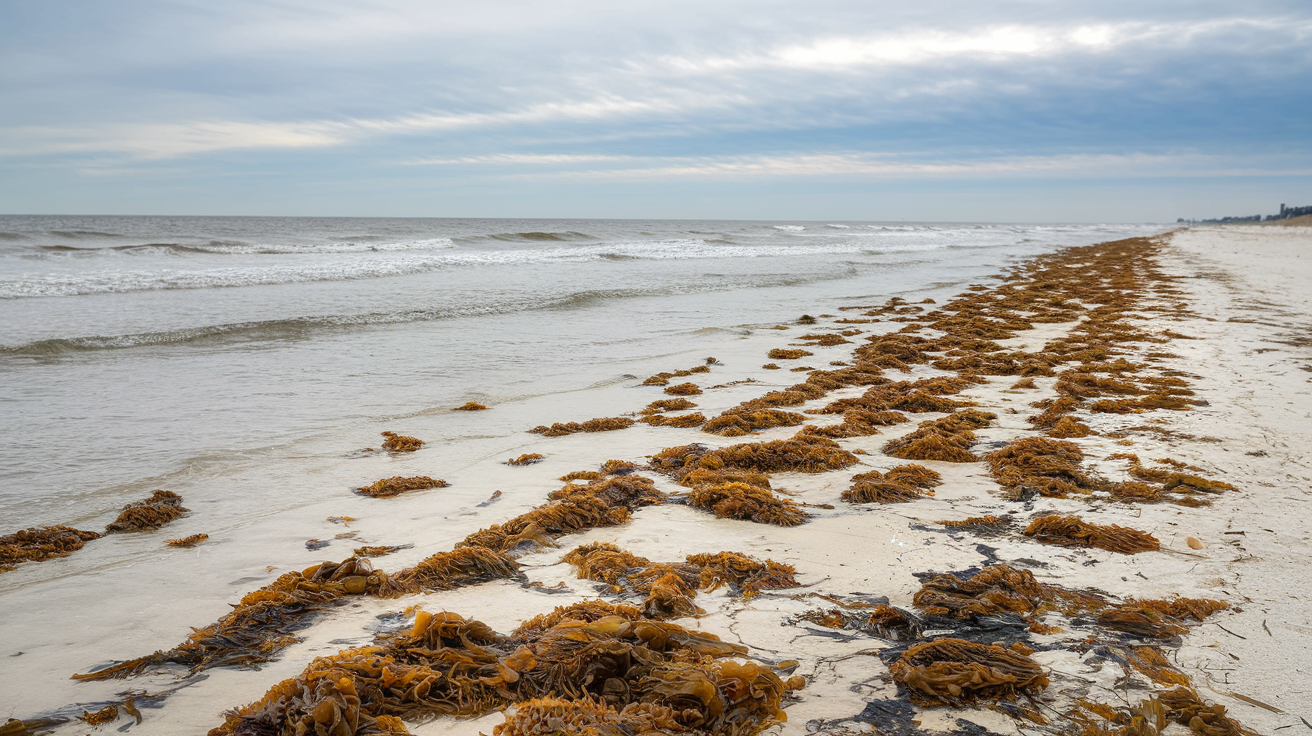
If you are planning a trip to Myrtle Beach, you might wonder if the beach is closed due to bacteria. Water quality is important for your safety and enjoyment. We want to help you understand how to check current conditions and what to expect when you visit.
Myrtle Beach is a popular destination with miles of sandy shores and many activities. Sometimes, local officials monitor water for bacteria to keep visitors safe. This article explains how bacteria affect beach access, how to find updates, and what you can do to have a great trip.
Understanding Bacteria Concerns at Myrtle Beach
Bacteria in beach water can come from many sources, such as rain runoff, sewage spills, or wildlife. High bacteria levels can cause health risks like skin rashes, ear infections, or stomach illness. Because of this, local health departments test water regularly.
When bacteria levels are too high, officials may issue advisories or close parts of the beach. These closures help protect swimmers and visitors from getting sick. However, closures are usually temporary and only affect certain areas.
Bacteria tests focus on indicators like Enterococci or E. coli.
Testing happens often during peak beach season, especially after heavy rain.
Closures depend on test results and can last from a day to several days.
How to Check If Myrtle Beach Is Closed Due to Bacteria
Before you go, it’s smart to check the latest water quality reports. Here are some ways to stay updated:
City of Myrtle Beach Official Website: They post beach advisories and closures.
South Carolina Department of Health and Environmental Control (DHEC): This agency monitors water quality and issues public notices.
Local News Outlets: Websites and social media often share updates on beach conditions.
Beach Apps and Travel Forums: Some apps provide real-time water quality data.
Checking these sources can help you avoid closed areas and plan your beach days safely.
Common Reasons for Bacteria-Related Beach Closures
Understanding why beaches close can help you prepare. Here are typical causes for bacteria advisories at Myrtle Beach:
Heavy Rainfall: Stormwater runoff can carry bacteria into the ocean.
Sewage Overflows: Accidental spills or system failures can contaminate water.
Wildlife Activity: Large numbers of birds or marine animals can increase bacteria levels.
Construction or Environmental Events: Nearby projects or natural events may affect water quality temporarily.
Officials monitor these factors closely and act quickly to keep the beach safe.
What to Do If Myrtle Beach Is Closed Due to Bacteria
If you find out that parts of Myrtle Beach are closed, don’t worry. Here are some tips to enjoy your trip safely:
Check for Alternative Beaches: Nearby beaches may be open and safe for swimming.
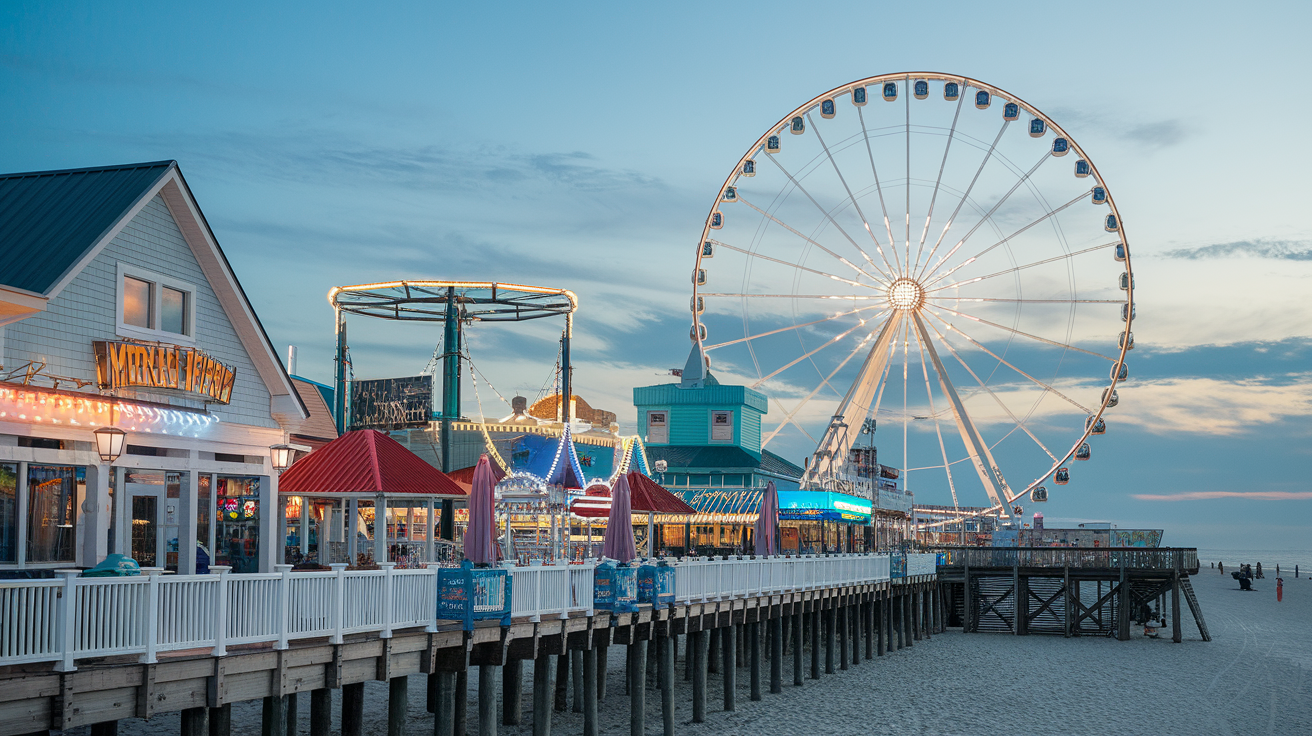
Visit Other Attractions: Myrtle Beach offers many activities like boardwalks, shopping, golf, and dining.
Avoid Swimming in Closed Areas: Respect advisories to protect your health.
Stay Updated: Keep checking water quality reports during your stay.
By staying informed, you can still have a fun and safe vacation.
Best Areas to Stay in Myrtle Beach for Easy Beach Access
Choosing the right place to stay can make your trip smoother, especially if you want quick access to clean beaches. Here are some top areas to consider:
Downtown Myrtle Beach: Close to the boardwalk, restaurants, and entertainment.
North Myrtle Beach: Known for quieter beaches and family-friendly resorts.
Surfside Beach: A smaller, less crowded area with clean shorelines.
Garden City Beach: Offers a relaxed vibe and good beach access.
Many hotels and resorts in these areas provide updates on local beach conditions and can help you plan activities beyond the water.
How Myrtle Beach Maintains Water Quality
The city and state work hard to keep Myrtle Beach safe for visitors. Here’s how they manage water quality:
Regular Testing: Water samples are taken frequently along the coast.
Public Alerts: Signs and online notices inform visitors about water safety.
Environmental Programs: Efforts to reduce pollution and protect wetlands help keep bacteria levels low.
Stormwater Management: Systems are in place to control runoff after rain.
These steps help ensure that Myrtle Beach remains a safe and enjoyable destination.
Other Safety Tips for Visiting Myrtle Beach
Besides bacteria concerns, here are some general tips to stay safe and comfortable during your visit:
Swim near lifeguard stations and follow posted rules.
Use sunscreen and stay hydrated.
Watch for jellyfish or other marine life warnings.
Keep an eye on weather forecasts, especially during hurricane season.
Dispose of trash properly to keep beaches clean.
Following these tips helps you have a worry-free beach experience.
Planning Your Trip Around Beach Closures
Beach closures due to bacteria are usually short-term. To plan your trip well:
Book accommodations with flexible cancellation or date change policies.
Consider visiting during shoulder seasons when crowds are smaller and water quality is often better.
Have backup plans for indoor or non-beach activities.
Stay connected with local resources for real-time updates.
This way, you can enjoy Myrtle Beach no matter the water conditions.
Conclusion
Myrtle Beach is a wonderful place to visit with many attractions beyond the sand and surf. While bacteria-related closures can happen, they are usually temporary and well-managed by local authorities. By checking water quality reports and following safety advice, you can enjoy your beach trip with peace of mind.
Remember to plan ahead, stay informed, and explore all that Myrtle Beach has to offer. Whether you want to swim, shop, or relax, this destination has something for everyone. Your safe and fun vacation starts with knowing the facts and making smart choices.
FAQs
Is Myrtle Beach currently closed due to bacteria?
Beach closures due to bacteria are temporary and vary by location. Check the City of Myrtle Beach website or South Carolina DHEC for the latest updates before your visit.
How often is Myrtle Beach water tested for bacteria?
Water is typically tested multiple times a week during peak season, especially after rain, to ensure safety for swimmers.
Can I still visit Myrtle Beach if some areas are closed?
Yes, other parts of the beach or nearby attractions usually remain open. You can enjoy many activities even if some beach sections are closed.
What causes high bacteria levels in Myrtle Beach water?
Common causes include heavy rain runoff, sewage spills, and wildlife. These factors can raise bacteria levels temporarily.
Where can I find safe beaches near Myrtle Beach?
North Myrtle Beach, Surfside Beach, and Garden City Beach often have clean water and fewer closures. Always check current water quality reports before swimming.