Is North Myrtle Beach Water Safe to Drink?
Learn if North Myrtle Beach water is safe to drink, plus tips on local water quality, sources, and how to stay hydrated during your visit.
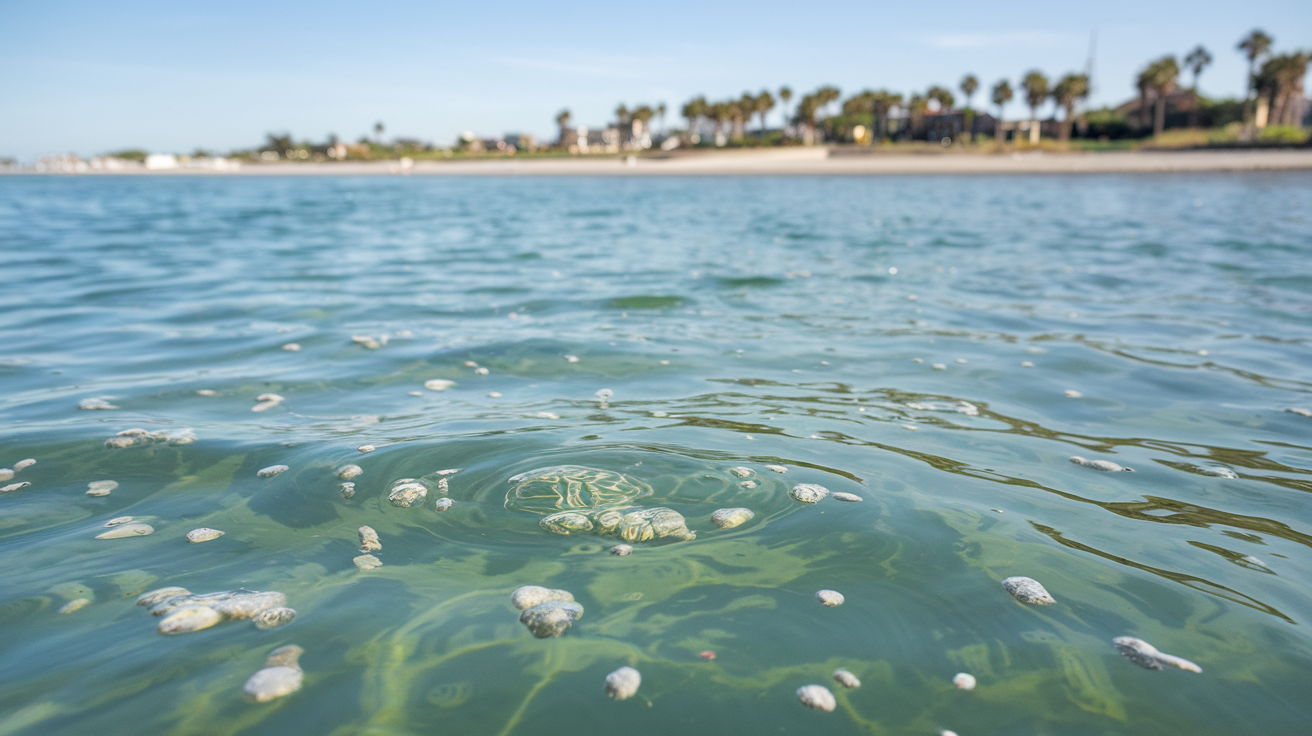
If you are planning a trip to North Myrtle Beach, you might wonder about the safety of the local tap water. Drinking water safety is important when you travel, especially if you want to avoid stomach issues or other health problems. In this article, I will help you understand if North Myrtle Beach water is safe to drink and what you should know about water quality in this popular coastal city.
We will explore the sources of water, treatment processes, and any concerns travelers might have. I will also share tips on how to stay hydrated safely while enjoying your time at the beach, restaurants, and hotels. Let’s dive into the details so you can plan your trip with confidence.
Understanding North Myrtle Beach Water Sources
North Myrtle Beach gets its water from a mix of surface water and groundwater sources. The city relies on the Myrtle Beach Water System, which treats water from the Waccamaw River and local wells. This combination helps provide a steady supply of water to residents and visitors.
The water treatment plants use modern methods to clean and disinfect the water before it reaches taps. These processes remove harmful bacteria, viruses, and other contaminants to meet federal and state safety standards.
The Waccamaw River is a major surface water source, carefully monitored for pollution.
Groundwater wells provide additional water, especially during dry periods.
Water treatment includes filtration, chlorination, and regular testing.
Because of these careful steps, the water is generally safe to drink for most people. However, some travelers with sensitive stomachs or weakened immune systems may want to take extra precautions.
Water Quality Standards and Testing in North Myrtle Beach
The U.S. Environmental Protection Agency (EPA) sets strict rules for drinking water quality. North Myrtle Beach water suppliers must follow these rules to keep water safe. The city regularly tests water for contaminants like lead, bacteria, and chemicals.
Here are some key points about water quality testing in North Myrtle Beach:
Water is tested daily for bacteria such as E. coli and coliform.
Lead and copper levels are checked regularly to prevent plumbing-related contamination.
Disinfection byproducts, which can form during water treatment, are monitored to stay below safe limits.
Water quality reports are published yearly and available to the public.
These tests ensure that tap water meets or exceeds safety standards. If any problems arise, the city issues alerts and provides guidance on water use.
Common Concerns About Drinking Tap Water in North Myrtle Beach
Even though water meets safety standards, some visitors worry about taste, odor, or minor impurities. Here are common concerns and what you should know:
Chlorine taste or smell: Chlorine is used to kill germs. Some people notice a slight chlorine taste. It is safe but can be reduced by letting water sit or using a filter.
Hard water: North Myrtle Beach water is moderately hard, meaning it has minerals like calcium and magnesium. This is not harmful but can affect taste and soap use.
Old plumbing: In some older buildings, pipes may affect water quality. If you stay in older hotels or rentals, consider using bottled or filtered water.
Boil water advisories: Rarely, the city may issue advisories after storms or maintenance. Always check local news or hotel updates during your stay.
Overall, these issues are minor and do not mean the water is unsafe. Many locals drink tap water daily without problems.
Tips for Drinking Water Safely in North Myrtle Beach
To enjoy your trip without worrying about water safety, follow these simple tips:
Drink tap water confidently: Most visitors can drink tap water safely in North Myrtle Beach.
Use bottled water if sensitive: If you have a weak stomach or prefer, bottled water is widely available.
Bring a reusable water bottle: Fill it with tap water or filtered water to stay hydrated and reduce plastic waste.
Check for boil advisories: Look for local alerts during heavy rain or storms.
Use water filters: Portable water filters or pitchers can improve taste and remove chlorine.
These steps help you stay healthy and hydrated while exploring beaches, parks, and attractions.
Where to Find Safe Drinking Water in North Myrtle Beach
Besides your hotel or rental, you can find safe drinking water in many places around North Myrtle Beach:
Restaurants and cafes: Most serve filtered or bottled water on request.
Public parks and beach areas: Some have water fountains or refill stations.
Grocery stores and convenience shops: Bottled water is easy to buy in many sizes.
Hotels and resorts: Many offer complimentary bottled water or filtered water stations.
Carrying a water bottle and refilling it at trusted spots helps you avoid dehydration in the warm coastal climate.
How North Myrtle Beach Water Compares to Other Coastal Cities
Water safety in North Myrtle Beach is similar to other popular beach destinations along the East Coast. Cities like Charleston, SC, and Wilmington, NC, also use river and groundwater sources with strict treatment standards.
Compared to some older or rural areas, North Myrtle Beach benefits from modern infrastructure and regular testing. This means you can expect clean, safe water during your visit.
Coastal cities often face challenges like saltwater intrusion, but North Myrtle Beach manages this well.
Water quality is regularly reviewed to protect public health.
Visitors to nearby Myrtle Beach and Surfside Beach enjoy similar water safety levels.
If you have traveled to other U.S. beach towns, you will find North Myrtle Beach water equally safe and reliable.
What to Do If You Experience Water-Related Illness
Though rare, some travelers may experience stomach upset from unfamiliar water. If this happens, here are steps to take:
Stop drinking tap water and switch to bottled or boiled water.
Stay hydrated with safe fluids like sports drinks or oral rehydration solutions.
Rest and avoid heavy meals until symptoms improve.
Seek medical help if symptoms are severe or last more than a couple of days.
Most cases are mild and improve quickly with simple care. Preventing illness by drinking safe water is the best approach.
Planning Your Stay: Hotels with Trusted Water Quality
Many hotels in North Myrtle Beach take extra care to provide safe, clean water to guests. Here are some well-known options where water quality is a priority:
Marina Inn at Grande Dunes: A luxury resort with modern plumbing and water filtration systems.
North Beach Resort & Villas: Family-friendly with regular water quality checks and bottled water available.
Hampton Inn North Myrtle Beach: Known for clean facilities and guest comfort.
Holiday Inn Express & Suites: Offers filtered water and bottled options for travelers.
Choosing hotels with good reputations helps ensure your water needs are met safely.
Conclusion
North Myrtle Beach water is generally safe to drink. The city uses reliable water sources and modern treatment methods to meet strict safety standards. Most visitors can drink tap water without worry.
If you have a sensitive stomach or prefer extra caution, bottled or filtered water is easy to find. Always watch for local advisories during storms or maintenance. By following simple tips, you can stay hydrated and enjoy your beach vacation comfortably.
FAQs
Is it safe to drink tap water in North Myrtle Beach?
Yes, tap water in North Myrtle Beach meets federal and state safety standards. It is treated and tested regularly, making it safe for most people to drink.
Does North Myrtle Beach water taste like chlorine?
Some people notice a mild chlorine taste or smell because chlorine is used to disinfect the water. This is normal and safe, but you can reduce it by letting water sit or using a filter.
Should I use bottled water while visiting North Myrtle Beach?
Bottled water is not necessary for most visitors but is available if you prefer or have a sensitive stomach. Carrying bottled water can be convenient during outdoor activities.
Are there any boil water advisories in North Myrtle Beach?
Boil water advisories are rare but can happen after storms or water system repairs. Check local news or your hotel for updates during your stay.
Where can I refill my water bottle safely in North Myrtle Beach?
You can refill your water bottle at many hotels, restaurants, public parks, and beach areas that have water fountains or filtered water stations.