Is Myrtle Beach a Dangerous Place to Live?
Explore safety in Myrtle Beach with insights on crime rates, neighborhoods, and tips for living securely in this popular coastal city.
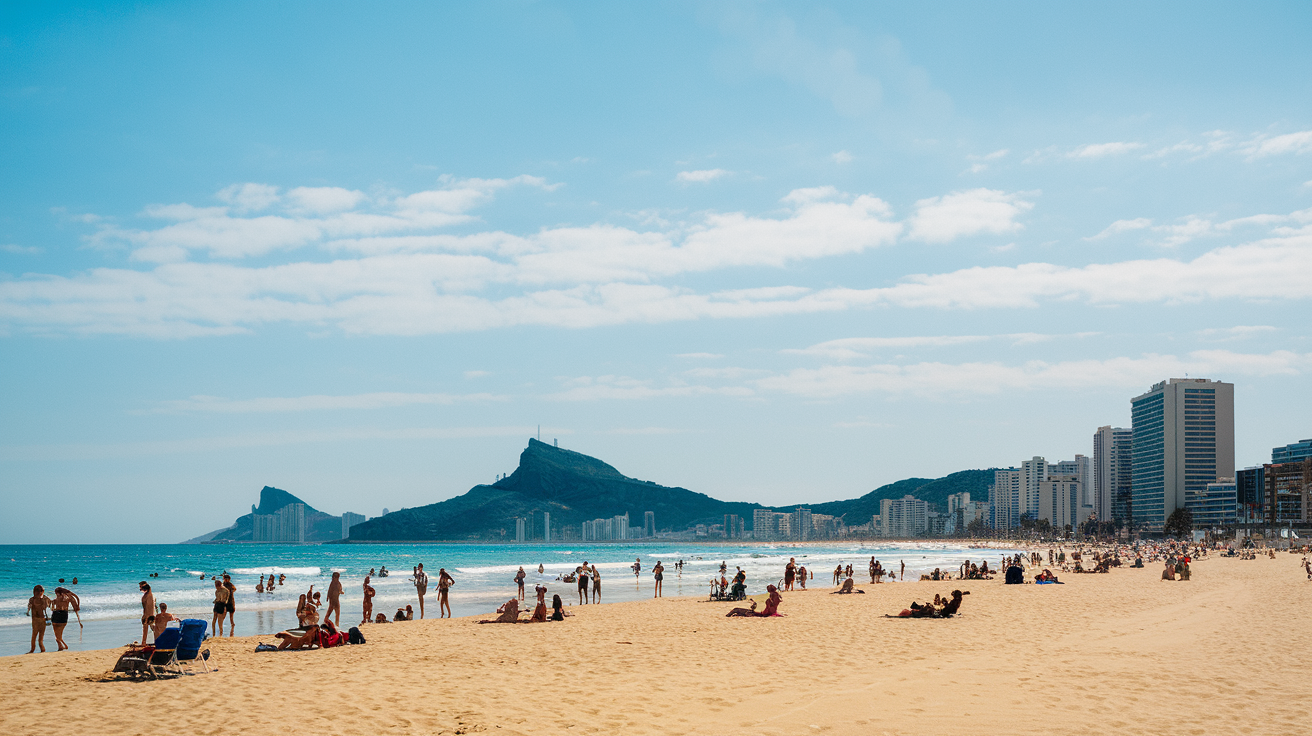
Myrtle Beach is a popular coastal city known for its beautiful beaches, lively boardwalk, and vibrant tourism scene. Many people consider moving here for the warm weather and relaxed lifestyle. But if you’re thinking about living in Myrtle Beach, you might wonder about safety. Is Myrtle Beach a dangerous place to live? We’ll explore the facts about crime, neighborhoods, and how you can stay safe while enjoying this coastal city.
Living in any city means understanding the local risks and taking steps to protect yourself and your family. Myrtle Beach has areas that are very safe and others where crime is more common. We’ll help you see the full picture so you can decide if Myrtle Beach fits your lifestyle and what to expect when you move here.
Understanding Crime Rates in Myrtle Beach
Crime rates are one of the main concerns when deciding where to live. Myrtle Beach’s crime rates are higher than the national average in some categories, but this varies by neighborhood and type of crime. Knowing the numbers helps you make an informed choice.
Violent Crime: Myrtle Beach experiences more violent crimes like assault and robbery than many other cities of similar size. However, these incidents are often concentrated in specific areas.
Property Crime: Property crimes such as burglary, theft, and vehicle break-ins are more common here, especially in tourist-heavy zones.
Seasonal Fluctuations: Crime rates tend to rise during the busy summer months when tourists flood the city. More people means more opportunities for petty crimes.
It’s important to compare Myrtle Beach’s crime rates with other cities you might consider. While some parts of the city have challenges, many neighborhoods maintain low crime and strong community safety efforts.
Safe Neighborhoods to Consider in Myrtle Beach
Not all parts of Myrtle Beach are the same when it comes to safety. Some neighborhoods are known for being quiet, family-friendly, and secure. If safety is a priority, look closely at these areas.
Carolina Forest: A growing suburban area with newer homes, parks, and schools. It has a reputation for being safe and family-oriented.
Market Common: This planned community near downtown offers a mix of shops, restaurants, and residential areas with low crime and active neighborhood watch programs.
Surfside Beach: Just south of Myrtle Beach, Surfside is a quieter beach town with a lower crime rate and a strong community feel.
North Myrtle Beach: Located to the north, this area is popular with families and retirees and generally reports fewer crime incidents.
When searching for a home, check local crime maps and speak to residents or local police about safety. This helps you find a neighborhood that matches your comfort level.
Common Types of Crime in Myrtle Beach
Knowing what types of crime are most common can help you take precautions. Here’s what you should be aware of in Myrtle Beach.
Petty Theft: Pickpocketing and theft from vehicles are common, especially near crowded tourist spots and parking lots.
Burglary: Residential break-ins happen but are less frequent in well-secured neighborhoods.
Assaults: Some assaults occur, often linked to nightlife areas or disputes. Staying in well-lit, populated areas helps reduce risk.
Drug-Related Crime: Like many cities, Myrtle Beach faces challenges with drug activity in certain zones. Police efforts focus on reducing these issues.
Being aware of these risks means you can take simple steps like locking doors, avoiding isolated areas at night, and securing valuables.
How Tourism Affects Safety in Myrtle Beach
Myrtle Beach is a top tourist destination with millions visiting each year. This influx affects safety in several ways.
Increased Crowds: More people mean more chances for petty crimes like pickpocketing or vehicle break-ins.
Seasonal Crime Spikes: Summer months see a rise in crime, especially near beaches, boardwalks, and entertainment districts.
Police Presence: The city increases law enforcement patrols during peak seasons to keep visitors safe.
Tourist Scams: Visitors should watch out for scams or overcharging, especially in busy areas.
If you live here year-round, you’ll notice quieter months with less crime. Understanding the seasonal patterns helps you plan activities and stay safe.
Tips for Staying Safe Living in Myrtle Beach
Whether you’re new to the city or a long-time resident, safety is about good habits and awareness. Here are some practical tips to protect yourself and your home.
Secure Your Home: Use good locks, alarm systems, and outdoor lighting to deter burglars.
Be Careful with Valuables: Don’t leave valuables visible in your car or on the beach.
Avoid Risky Areas at Night: Stick to well-lit, populated places after dark.
Get to Know Your Neighbors: A strong community helps watch out for suspicious activity.
Use Local Resources: Sign up for neighborhood watch programs and stay informed through local police updates.
These simple steps can greatly reduce your chances of becoming a victim of crime.
Emergency Services and Police in Myrtle Beach
Myrtle Beach has a dedicated police force and emergency services to keep residents safe. Here’s what you should know about them.
Myrtle Beach Police Department: They patrol the city and respond quickly to emergencies. They also run community programs to educate residents.
Beach Patrol: Lifeguards and beach safety officers help protect visitors and residents along the coastline.
Fire and Medical Services: The city has well-equipped fire stations and EMS teams available 24/7.
Community Outreach: Police often hold safety workshops and neighborhood meetings to build trust and share tips.
Knowing how to contact emergency services and participating in community programs can boost your safety.
Cost of Living and Safety Trade-Offs
Myrtle Beach offers affordable living compared to many U.S. coastal cities. However, some lower-cost neighborhoods may have higher crime rates. Balancing budget and safety is key.
Affordable Areas: Some parts of Myrtle Beach offer lower rent or home prices but may have more crime.
Higher Safety Neighborhoods: Communities like Market Common or Carolina Forest might cost more but provide peace of mind.
Long-Term Value: Investing in a safer neighborhood can mean better quality of life and property value growth.
Research Before Renting or Buying: Use online crime maps and visit neighborhoods at different times to get a feel for safety.
Finding the right balance depends on your personal priorities and lifestyle.
Living in Myrtle Beach: What Residents Say About Safety
Hearing from people who live in Myrtle Beach gives a real view of safety here. Many residents enjoy the city’s relaxed vibe but stay cautious.
Many locals say that common sense and awareness keep them safe.
Some mention occasional petty crime but feel safe in their neighborhoods.
Residents appreciate the strong community events and police presence.
Tourists are advised to be extra careful, but locals say living here is peaceful overall.
Talking to neighbors and joining local social groups can help you get a better sense of safety and community spirit.
Conclusion
Myrtle Beach is a city with a mix of safe and less safe areas. Like many popular destinations, it faces challenges with crime, especially during busy tourist seasons. But many neighborhoods offer a secure and welcoming environment for families and individuals.
By understanding crime patterns, choosing the right neighborhood, and practicing smart safety habits, you can enjoy the sunny beaches and friendly lifestyle Myrtle Beach offers. If you plan carefully, Myrtle Beach can be a great place to call home.
FAQs
Is Myrtle Beach safe for families?
Yes, many neighborhoods like Carolina Forest and Market Common are family-friendly with low crime rates. It’s important to research and visit areas before moving.
What areas of Myrtle Beach should I avoid?
Some parts near busy tourist zones and certain downtown areas have higher crime. Checking local crime maps and asking locals helps identify these spots.
Does crime increase during tourist season?
Yes, crime tends to rise in summer when more visitors come. Petty theft and vehicle break-ins are more common, so extra caution is advised.
How can I stay safe living in Myrtle Beach?
Use good home security, avoid isolated areas at night, lock your car, and get involved in neighborhood watch programs to stay safe.
Are police services reliable in Myrtle Beach?
Yes, the Myrtle Beach Police Department is active and responsive. They run community programs and increase patrols during busy seasons to keep residents safe.