How to Get to Myrtle Beach During Flooding: Safe Travel Tips
Find safe routes and travel tips to reach Myrtle Beach during flooding. Learn alternate roads, transport options, and local advice for a smooth trip.
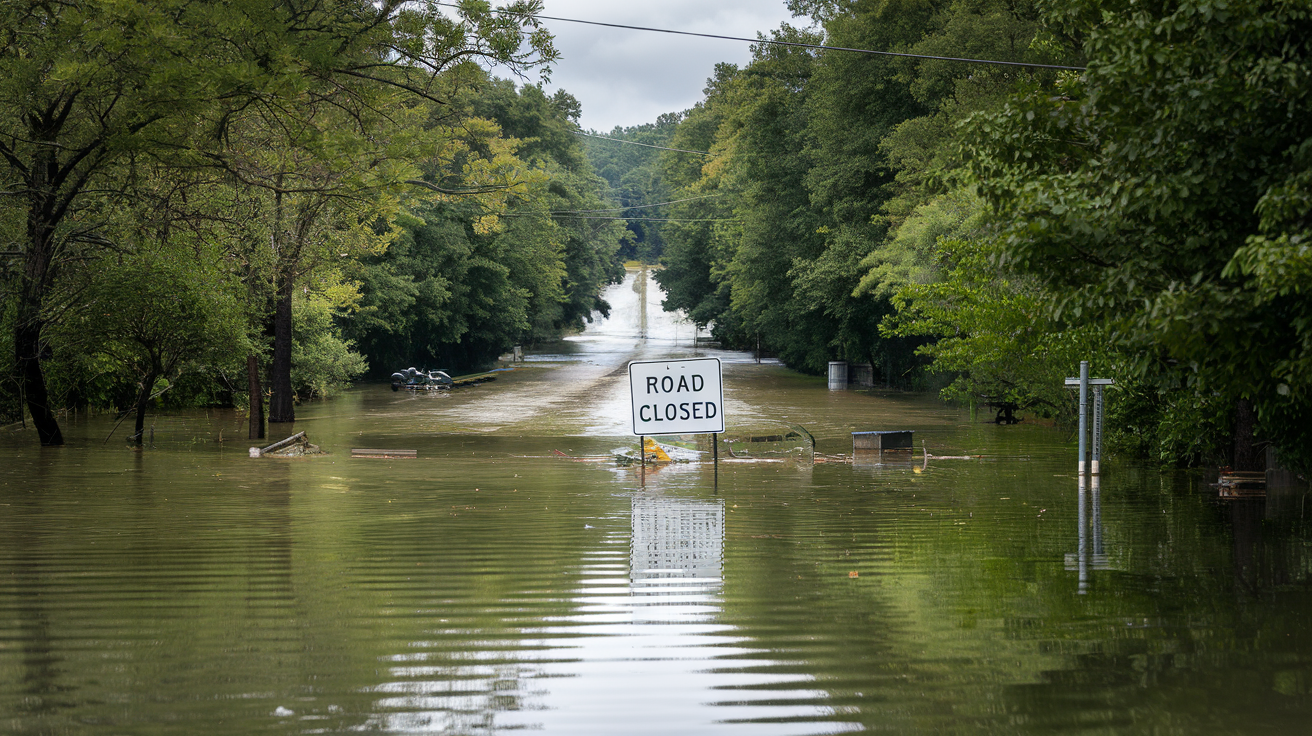
If you’re planning a trip to Myrtle Beach but flooding is affecting the area, you might be wondering how to get there safely. Flooding can disrupt highways, local roads, and public transport, so it’s important to know your options before you travel. We’ll guide you through the best ways to reach Myrtle Beach during flood conditions, including alternate routes, travel tips, and what to expect once you arrive.
Traveling to a popular destination like Myrtle Beach during flooding requires extra planning. You want to avoid road closures and delays while still enjoying your vacation. This article will help you prepare, so you can get to Myrtle Beach with confidence and stay safe throughout your trip.
Understanding Flooding Impact in Myrtle Beach
Myrtle Beach is a coastal city in South Carolina, popular for its beaches and resorts. Because it’s near the Atlantic Ocean and several rivers, heavy rain and storms can cause flooding. Flooding can affect:
Main highways leading to the city
Local streets and neighborhoods
Public transportation routes
Airport access and parking
Flooding can happen during hurricanes, tropical storms, or heavy rain events. It’s important to check local weather updates and road conditions before you start your trip. The South Carolina Department of Transportation (SCDOT) and local news channels provide real-time updates on closures and detours.
Best Routes to Myrtle Beach When Flooding Occurs
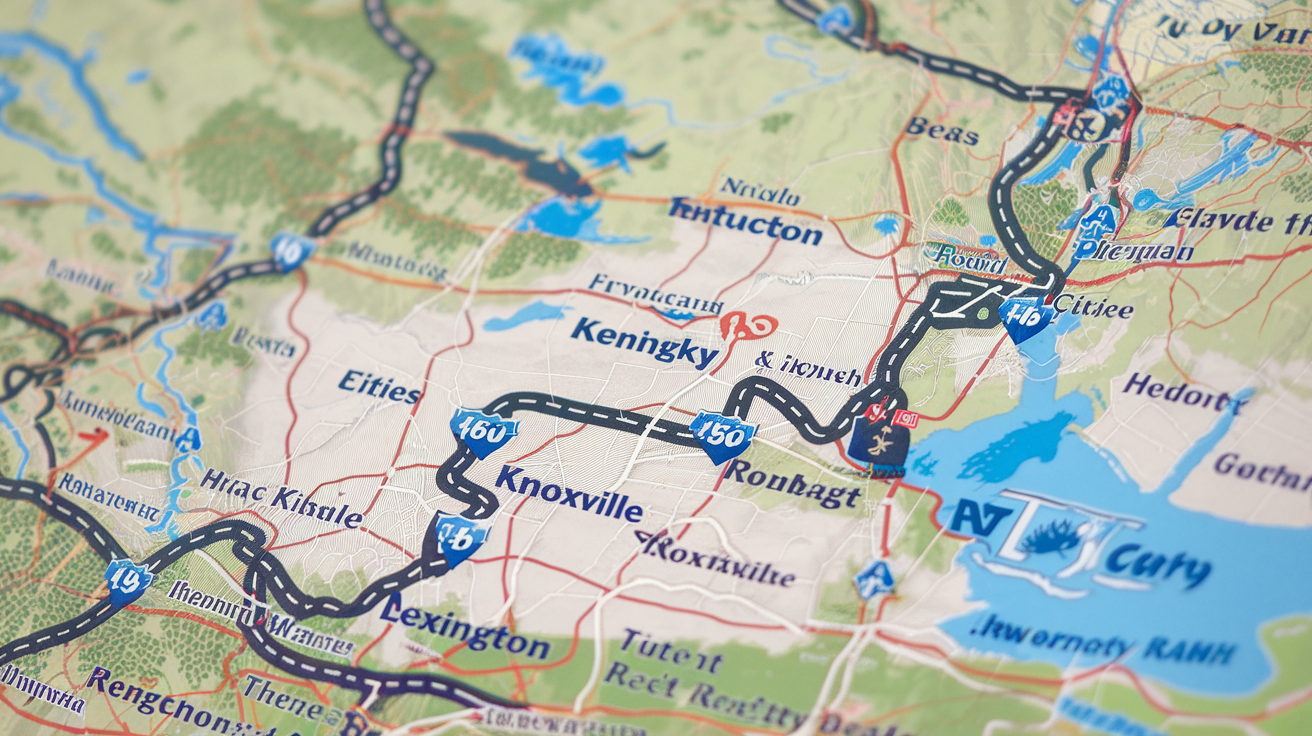
When flooding affects the usual highways, you’ll need to know alternate routes to reach Myrtle Beach safely. The main highways to Myrtle Beach are U.S. Highway 17 and U.S. Highway 501. Here’s how to navigate during flooding:
Using U.S. Highway 17
U.S. 17 runs along the coast and is the most direct route from cities like Charleston and Wilmington. However, this highway is prone to flooding near rivers and low-lying areas.
Check for closures near the Waccamaw River and Intracoastal Waterway bridges.
If flooded, use inland detours via South Carolina Highway 9 or Highway 31.
Highway 31 is a newer, elevated route that often stays open during floods.
Using U.S. Highway 501
Highway 501 connects inland cities like Conway and Florence to Myrtle Beach. This route is often safer during coastal flooding.
Use Highway 501 if U.S. 17 is closed or flooded.
Highway 501 is a major corridor with fewer flood-prone areas.
Plan your route through Conway, a key access point to Myrtle Beach.
Alternate Routes and Detours
South Carolina Highway 9 runs west of Myrtle Beach and can be used to bypass flooded areas.
Highway 31 (Carolina Bays Parkway) is a toll-free, limited-access highway that helps avoid flood zones.
Use GPS apps like Google Maps or Waze to get live traffic and road closure updates.
Traveling to Myrtle Beach by Air During Flooding
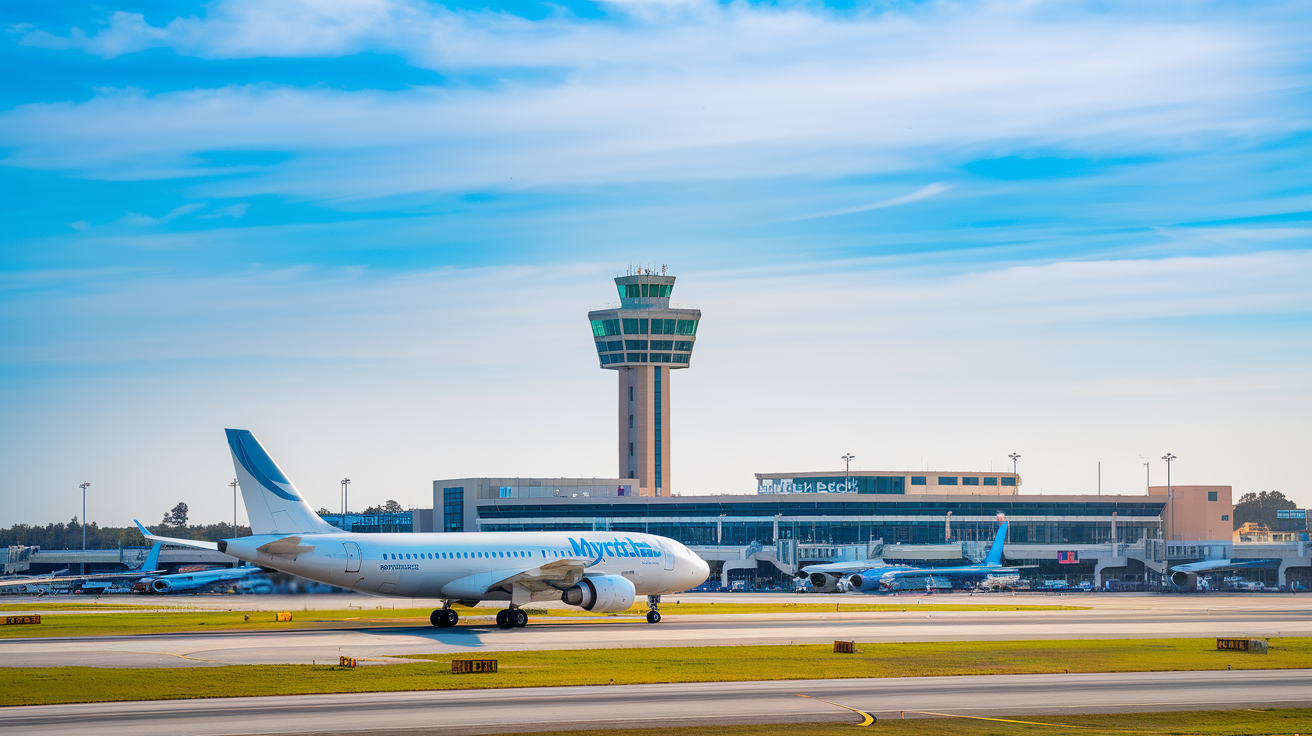
Myrtle Beach International Airport (MYR) is the main airport serving the area. Flooding can affect airport access roads and parking, but flights usually continue unless there is a major storm.
Check the airport website or your airline for flight status updates.
Plan extra time for travel to the airport in case of road delays.
Use alternate routes to the airport if flooding affects Highway 17.
Consider renting a car with four-wheel drive if heavy rain is expected.
If you are flying in from farther away, you can also consider flying into Charleston International Airport or Florence Regional Airport and then driving to Myrtle Beach via safer inland routes.
Public Transportation and Shuttle Services
Public transportation options in Myrtle Beach are limited but can be affected by flooding as well. Here’s what you should know:
The Coast RTA bus service operates local routes but may have delays or detours during flooding.
Check the Coast RTA website or call ahead for service updates.
Some hotels offer shuttle services from the airport or nearby cities; confirm availability during bad weather.
Rideshare services like Uber and Lyft operate in Myrtle Beach but may have longer wait times during floods.
Tips for Driving Safely to Myrtle Beach During Flooding
Driving in flood conditions requires caution. Here are some tips to keep you safe:
Never drive through flooded roads or standing water; it’s hard to judge depth and road damage.
Use GPS and local traffic apps to avoid closed roads and detours.
Drive slowly and keep extra distance from other vehicles.
Keep your headlights on during heavy rain or low visibility.
Have an emergency kit in your car with water, snacks, and a flashlight.
Inform someone about your travel plans and expected arrival time.
Where to Stay if Flooding Affects Myrtle Beach
If flooding disrupts your plans, you might need to stay in a nearby city or a safer area. Consider these options:
Conway, SC: About 15 minutes inland, Conway offers hotels like the Hampton Inn and Holiday Inn Express.
North Myrtle Beach: Slightly north of Myrtle Beach, this area is less prone to flooding and has many resorts and hotels.
Florence, SC: About an hour west, Florence has a range of budget and mid-range hotels.
Charleston, SC: A larger city about two hours south, Charleston offers many hotel options and is a good fallback if flooding is severe.
Booking flexible cancellation hotels is a smart idea during flood season. Many hotels in the area offer refundable rates or free cancellation.
Local Resources and Emergency Contacts
Stay informed and safe by using local resources:
South Carolina Department of Transportation (SCDOT): For road closures and traffic updates. Website: scdot.org
Myrtle Beach Area Chamber of Commerce: For visitor information and alerts. Website: visitmyrtlebeach.com
National Weather Service (NWS): For weather alerts and flood warnings. Website: weather.gov
Local Police and Emergency Services: Call 911 for emergencies.
Planning Your Trip Around Flood Season
Myrtle Beach experiences the highest flood risk during hurricane season, from June to November. To avoid travel disruptions, consider these tips:
Plan your trip outside of peak hurricane months if possible.
Book accommodations with flexible cancellation policies.
Monitor weather forecasts regularly before and during your trip.
Have a backup plan for lodging and travel routes.
By preparing ahead, you can enjoy Myrtle Beach even if the weather is uncertain.
Conclusion
Getting to Myrtle Beach during flooding can be challenging, but with the right information, you can travel safely. Knowing alternate routes like Highway 501 and Highway 31 helps you avoid flooded areas. Checking real-time updates from SCDOT and weather services keeps you informed about road conditions and closures.
Whether you’re driving, flying, or using public transport, planning ahead is key. Stay flexible with your accommodations and travel plans, and always prioritize safety. With these tips, you can still enjoy the beautiful beaches and attractions of Myrtle Beach, even when flooding affects the area.
FAQs
What is the safest highway to use when flooding affects Myrtle Beach?
Highway 501 is generally safer during flooding because it runs inland and avoids many flood-prone coastal areas. Highway 31 is also a good option as it is elevated and less likely to flood.
Can I fly into Myrtle Beach International Airport during flooding?
Yes, flights usually continue unless a major storm hits. However, airport access roads may be affected by flooding, so check for road closures and plan extra travel time.
Are public buses running in Myrtle Beach during floods?
The Coast RTA bus service may have delays or route changes during flooding. It’s best to check their website or call ahead for current service information.
What should I do if my planned route to Myrtle Beach is closed due to flooding?
Use GPS apps to find alternate routes like Highway 501 or Highway 31. Avoid driving through flooded roads and consider staying in nearby cities if necessary.
Where can I stay if Myrtle Beach hotels are affected by flooding?
Nearby cities like Conway, North Myrtle Beach, Florence, or Charleston offer hotel options. Booking flexible or refundable rates is recommended during flood season.