What Is Okinawa? And How It's Different from the Rest of Japan ?
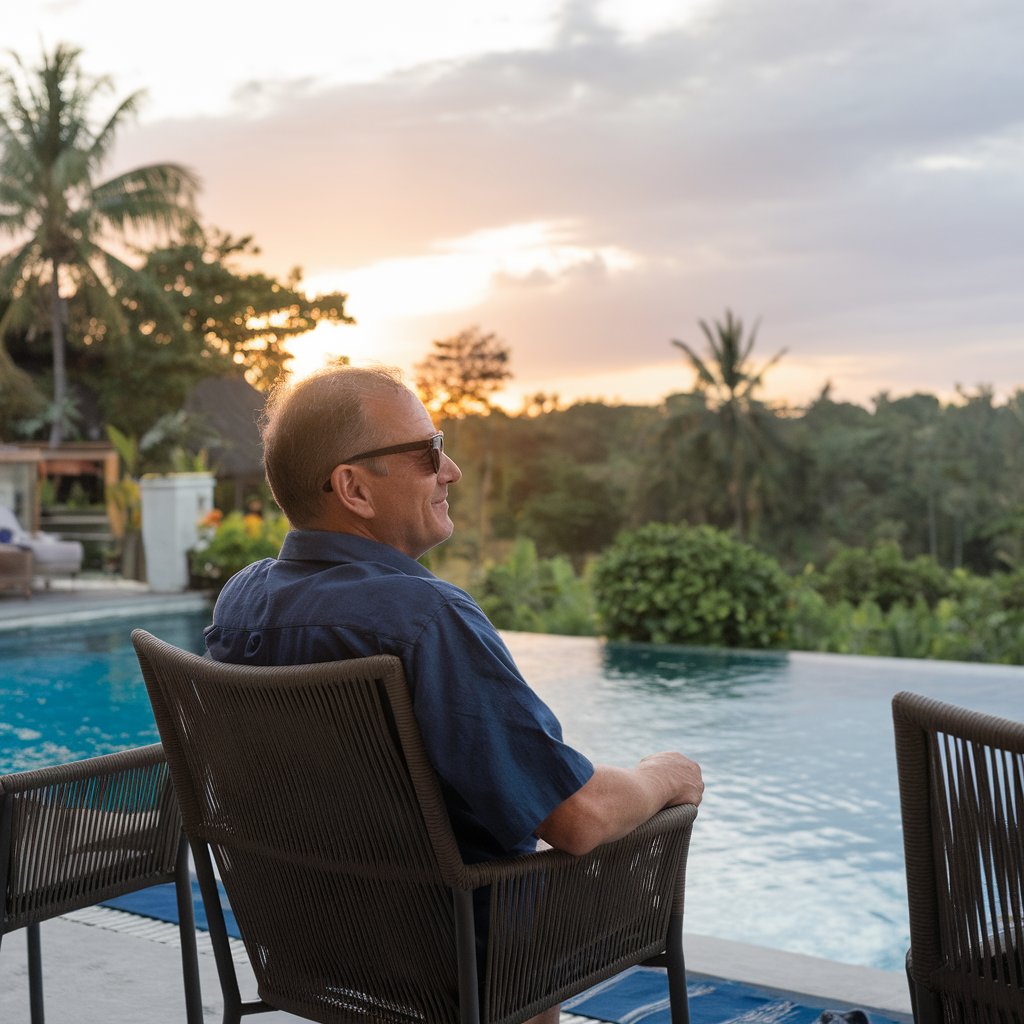
I landed in Naha after two weeks on the Japanese mainland thinking I was still in Japan. Within 24 hours, I wasn’t so sure.
Okinawa is Japan's southernmost prefecture, a subtropical chain of over 160 islands stretching across the East China Sea, closer to Taiwan than to Tokyo. Yes, it is legally part of Japan. But for 450 years before 1879, it was the independent Ryukyu Kingdom. That history changes everything.
While the mainland offers bullet trains, shrines, and cherry blossoms, Okinawa serves up turquoise waters, Spam musubi, endangered languages, and a distinct culture forged by centuries of trade, invasion, and occupation.

Okinawa vs. Mainland Japan: At a Glance
The differences between Okinawa and mainland Japan run deep, from architecture to daily rhythms.
Category | Okinawa | Mainland Japan |
Geography | 160+ subtropical islands; Okinawa Island is 1,207 km² | Four large temperate islands; Honshu is 227,960 km² |
Climate | Warm year-round ($17\text{–}29^\circ\text{C}$); peak typhoons Aug–Sept | Four distinct seasons; cold winters; spring cherry blossoms |
Language | Standard Japanese + six endangered Ryukyuan languages | Standard Japanese; regional dialects |
Cuisine | Pork-heavy, bitter melon, tofu, awamori, taco rice, Okinawa soba | Rice and fish-centered; ramen, sushi, dashi broths |
Sacred sites | Utaki natural sites; gusuku ruins; female priestesses | Shinto shrines, Buddhist temples, torii gates |
Transport | One short monorail in Naha; rental car essential | Dense shinkansen and rail network; cars rarely needed |
Cultural pace | "Okinawa time"—slow, relaxed island rhythm | Famously punctual, fast-paced urban culture |
Postwar history | U.S. territory 1945–1972; still hosts ~70% of US bases | Allied occupation ended 1952; no ongoing base presence |

Geography & Location: Closer to Taiwan Than to Tokyo
The Ryukyu archipelago stretches about 1,000 km across the East China Sea. The capital, Naha, sits 1,554 km from Tokyo but only 500 km from Taipei.
The main island (Okinawa-honto) is 106 km long and averages just 11 km wide. The broader prefecture spans remote coral atolls like Yonaguni and pristine ecosystems like the northern Yambaru forest, a UNESCO World Heritage site. About 1.4 million people live in the prefecture, with 800,000 concentrated around Naha. Warmed by ocean currents, the islands enjoy a tropical climate. There are no trains to the mainland; visiting requires a flight, usually from Tokyo or Osaka.

The History of Okinawa: The Ryukyu Kingdom
For nearly five centuries, these islands were the independent Ryukyu Kingdom. Unified in 1429 by King Shō Hashi at Shuri Castle, Ryukyu became a major maritime trading power. It maintained a tributary relationship with Ming China, incorporating Chinese writing, architecture, and culinary customs. This explains why Okinawan food shares roots with Fujian Province rather than Tokyo. Archaeological evidence, like the prehistoric Yamashita Cave Man remains, proves the indigenous people thrived here long before outside governance.
In 1609, the Japanese Satsuma Domain invaded, turning Ryukyu into a vassal state. However, the kingdom maintained an appearance of independence to act as a diplomatic backdoor during Japan's isolationist era. The kingdom officially ended on March 27, 1879, when the Meiji government forcibly annexed it as a prefecture, an event locals call the Ryūkyū shobun (the "Ryukyu Disposition").
This distinct sovereignty left behind nine UNESCO-designated Gusuku (castle) sites. The most famous, Shuri Castle, was devastated by fire in 2019 and is currently being rebuilt, with the main hall expected to reopen in late 2026.

The American Chapter: Occupation and Its Lasting Effects
In 1945, Okinawa was the site of the Pacific War’s bloodiest ground battle, claiming over 140,000 Okinawan civilian lives, a quarter of the population. The Cornerstone of Peace memorial in Itoman lists 149,193 Okinawan names.
When Japan regained sovereignty in 1952, the U.S. retained control of Okinawa for another 20 years. Farmland was seized by "bayonets and bulldozers" to build military infrastructure. Though reverted to Japan on May 15, 1972, the military presence remained. Today, Okinawa makes up just 0.6% of Japan’s land area but hosts roughly 70% of its US military bases, housing 26,000 to 30,000 troops across facilities like Kadena Air Base and the highly controversial Marine Corps Air Station Futenma (slated for relocation to Henoko).
This occupation left an indelible cultural mark. Taco rice was invented in 1984 near Camp Hansen to feed American GIs. I ate it for lunch on my second day and couldn't believe how good it was. A&W root beer still has drive-ins on the island. English-language signage is far more common here than anywhere else in Japan. You'll even find American-style conbini and fast food chains that don't exist on the Japanese mainland. The islands carry a bilingual, bicultural energy that's uniquely their own, part Japan, part American frontier, part something else entirely.
If you visit, you may encounter peaceful demonstrations about the bases in Okinawa. Understanding the history makes them make sense. I'd actually recommend going deeper, the wartime tunnels beneath Naha are one of the most sobering and illuminating places I visited on the entire trip. I went with Evertrail Tours' Culture & Coast, a half-day circuit that starts in the covered market arcades of Naha in the morning, descends into the WWII tunnels, and then opens out along the wild southern coast to a sacred waterfall that most visitors never find. It runs from 10:00 to 15:30, costs ¥19,800 per person, and it reframed everything I'd read about the war in a way that walking through a tunnel, quietly, with a local guide, simply does better than any book.

The Culture of Okinawa: Language, Shisa, and Utaki
Okinawan culture is a separate tradition altogether, deeply apparent in daily life.
The Endangered Language: Okinawa has its own indigenous language, Uchinaaguchi, alongside five other Ryukyuan languages. All are classified as endangered by UNESCO. Due to forced assimilation during the Meiji era, fewer than 400,000 fluent speakers remain, mostly over 50. Useful phrases include mensōre ("welcome") and nifē dēbiru ("thank you").
Shisa Guardians: Pairs of stone lion-dogs guard rooftops and gates across the island. Originating from Chinese trade routes, the open-mouthed shisa wards off evil spirits, while the closed-mouthed one keeps good fortune in.
Utaki Sacred Sites: Unlike the mainland's Shinto shrines, Okinawa's indigenous spiritual sites (utaki) are natural groves, rock outcrops, or caves historically tended by female priestesses called noro. The most sacred is Sefa-utaki, the legendary birthplace of the Ryukyu islands. Visitors must show strict respect: stay on paths, keep voices down, and never touch offerings.
Music and Dance: The sonic signature of the island is the sanshin, a snakeskin-bodied, three-stringed lute. Every August during Obon, youth groups perform Eisa—a vibrant folk dance featuring sanshin, chanting, and taiko drums. The Okinawa Zentō Eisa Matsuri in Okinawa City draws over 300,000 spectators.

Okinawan Food vs. Japanese Food
Okinawan cuisine is pork-heavy, bitter-vegetable-forward, and relies on Chinese and American influences rather than raw fish and subtle dashi broths. Key dishes include:
Goya Champuru: The unofficial national dish; a bitter melon stir-fry with island tofu, eggs, pork, and Spam. Champuru means "mixed."
Okinawa Soba: Thick wheat noodles (no buckwheat) served in a rich pork-and-bonito broth, topped with braised pork belly and pickled ginger.
Rafute: Skin-on pork belly slow-simmered in soy sauce, brown sugar, and awamori until incredibly tender.
Awamori: Okinawa’s signature distilled spirit, made from long-grain Thai rice and black koji mold, often reaching 25–43% ABV.
Umibudo: "Sea grapes"—a salty seaweed featuring tiny bubbles that pop in your mouth.
Beni-imo: Purple sweet potato, used in everything from tarts to soft-serve ice cream.
Spam: Genuinely integrated into local food culture during the U.S. occupation, it is treated as a historical staple rather than a novelty ingredient.

Blue Zone Okinawa: The Longevity Secret
Okinawa is one of the world's five original "Blue Zones." The Okinawa Centenarian Study, running since 1975, documented up to 50 centenarians per 100,000 residents at its peak. Researchers attribute this health to five factors:
Plant-heavy diet: Centered on sweet potatoes, bitter melon, and tofu, with pork used sparingly.
Hara hachi bu: The Confucian practice of stopping eating when 80% full.
Ikigai: A strong, defined sense of purpose for waking up each morning.
Moai: Lifelong social support networks of close friends who support each other into old age.
Constant movement: Low-intensity activities like gardening and walking woven into daily routines.
Caveat: Longevity among younger generations has declined sharply (ranking Okinawan men 43rd out of 47 prefectures) due to fast food and a car-dependent lifestyle.

What Visiting Okinawa Is Actually Like
Getting There: Fly into Naha Airport (OKA). Budget carriers like Peach offer one-way tickets from Tokyo from ¥10,000; full-service airlines range from ¥25,000–¥48,000 return.
Getting Around: Naha’s Yui Rail monorail covers the city center, but a rental car is essential for exploring beaches, the northern forests, or Cape Zanpa. Driving is on the left.
When to Go: Late March to early May and October to November are ideal for swimming and low typhoon risks. Rainy season spans mid-May to late June. Typhoon season peaks in August and September. Winter (15–20°C) offers great whale watching and Japan's earliest cherry blossoms in mid-January.
Budget: Generally cheaper than Tokyo. Plan for ¥10,000–¥15,000 per day outside of peak holidays like Golden Week or Obon, when prices double.

Frequently Asked Questions
Is Okinawa part of Japan?
Yes, it is one of Japan’s 47 prefectures, formally incorporated in 1879. It was administered as a U.S. territory from 1945 to 1972 before returning to Japanese sovereignty.
How far is Okinawa from Tokyo?
About 1,554 km southwest. Direct flights take 2.5 hours. No shinkansen or passenger ferries connect the two.
What language do people speak?
Standard Japanese is the default. The indigenous Ryukyuan languages (like Uchinaaguchi) are endangered and spoken mostly by elders. English is widely understood around central military base corridors.
Why are there so many military bases?
A legacy of the 1945 Battle of Okinawa and subsequent 27-year U.S. administration. Under postwar security treaties, the U.S. military stayed, leaving Okinawa hosting roughly 70% of the nation's US base presence.
What food is Okinawa known for?
Goya champuru, Okinawa soba, rafute, taco rice, awamori, umibudo, and beni-imo treats.


Comments