When Is High Tide at Myrtle Beach State Park?
Discover when high tide occurs at Myrtle Beach State Park with tips on tide schedules, best visiting times, and local beach activities.
If you're planning a trip to Myrtle Beach State Park, knowing the tide schedule can help you make the most of your visit. High tide times affect beach activities like fishing, shell collecting, and walking along the shore. I’ll guide you on how to find accurate high tide times and share tips to enjoy the park fully.
Understanding tides is key when visiting any coastal area. At Myrtle Beach State Park, tides change twice daily, influenced by the moon and sun. You can plan your beach day better by knowing when the high tide happens and what to expect during those hours.
Understanding Tides at Myrtle Beach State Park
Tides are the rise and fall of sea levels caused by the gravitational pull of the moon and sun. Myrtle Beach State Park, located on the Atlantic coast of South Carolina, experiences two high tides and two low tides every 24 hours. The timing of these tides shifts daily by about 50 minutes.
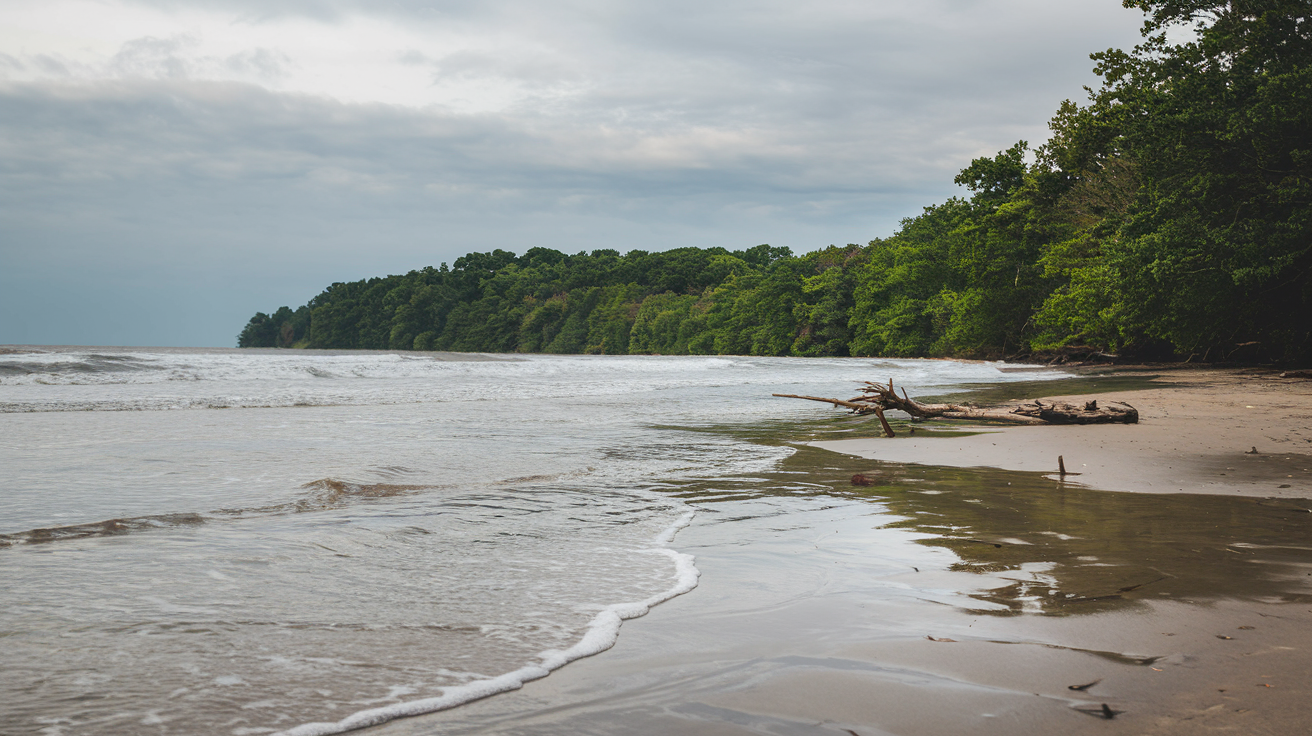
High tide means the water reaches its highest point on the shore. This affects beach width, wave activity, and marine life visibility. Low tide exposes more beach area and tidal pools. Knowing these times helps you plan activities like fishing, kayaking, or beachcombing.
High tide usually lasts for about an hour around the peak time.
Tide times change daily, so check updated schedules before your visit.
Spring tides, with higher highs and lower lows, occur during full and new moons.
Neap tides, with less difference between high and low, happen during quarter moons.
How to Find High Tide Times for Myrtle Beach State Park
There are several reliable ways to check high tide times for Myrtle Beach State Park. Using accurate tide charts or apps ensures you get the latest information for your travel dates.
NOAA Tide Charts: The National Oceanic and Atmospheric Administration provides official tide predictions online. Visit their website and search for Myrtle Beach or nearby tide stations.
Tide Apps: Apps like "Tide Charts Near Me," "My Tide Times," or "Tides Planner" offer easy access to daily tide schedules.
Local Websites: South Carolina state park websites and local tourism pages often share tide info and beach conditions.
Visitor Centers: When you arrive, ask park rangers or visitor centers for printed tide schedules or advice.
Make sure to check tide times on the exact day you plan to visit, as tides shift daily. Also, consider the time zone (Eastern Time) when reading tide charts.
Best Times to Visit Myrtle Beach State Park Based on Tides
Your activities at Myrtle Beach State Park can change depending on the tide. Here’s how to plan your visit around high tide:
Fishing: High tide is often the best time for fishing near piers and inlets, as fish come closer to shore.
Beach Walks: Walking during low tide lets you explore more beach area and find shells and sea creatures.
Surfing and Swimming: High tide can bring better waves for surfing but may reduce beach space for swimming.
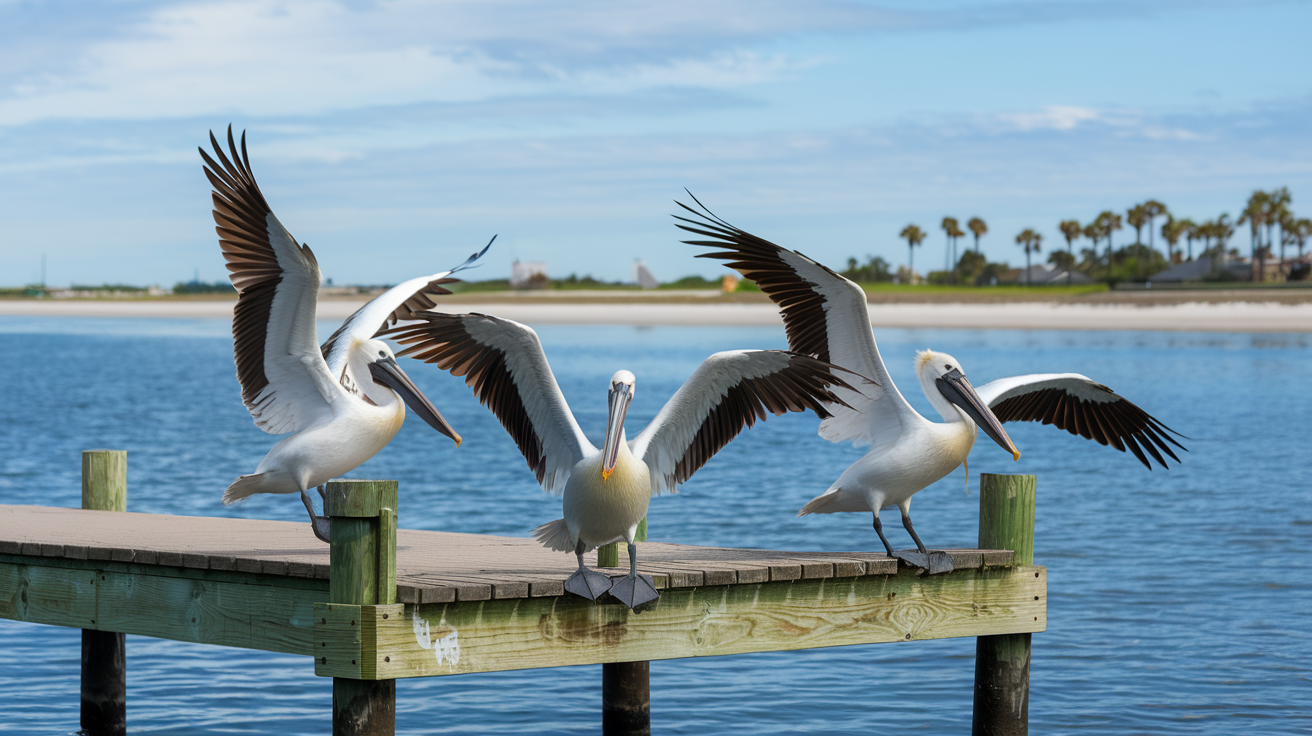
Wildlife Watching: Early morning high tides are good for spotting shorebirds feeding along the waterline.
Plan your visit to match your interests. For example, if you want to fish, check the high tide times and arrive an hour before the peak. For beachcombing, low tide is ideal.
Typical High Tide Times at Myrtle Beach State Park
While tide times vary daily, here are some general examples of high tide times you might expect at Myrtle Beach State Park:
Early morning high tide around 6:00 AM to 7:30 AM
Afternoon or evening high tide between 6:30 PM and 8:00 PM
These times shift about 50 minutes later each day. For example, if high tide is at 6:30 AM on Monday, expect it near 7:20 AM on Tuesday. Always check current charts before your trip.
How Tides Affect Myrtle Beach State Park Activities
Tides impact many experiences at the park. Here’s what to expect during high tide:
Beach Size: The beach narrows as water rises, so space for sunbathing or playing may be smaller.
Water Depth: Swimming areas get deeper, which can be safer for some swimmers but watch for stronger currents.
Fishing Conditions: Fish move closer to shore, improving your chances near piers and jetties.
Wildlife: Some sea creatures come closer to shore, offering better wildlife viewing.
During low tide, you can explore tidal pools and find shells, but swimming areas may be shallow. Choose your activities based on the tide for the best experience.
Tips for Visiting Myrtle Beach State Park Around High Tide
Here are some practical tips to help you enjoy the park during high tide:
Check tide charts before you go to plan your arrival and activities.
Bring water shoes if you plan to explore rocky or tidal pool areas.
Arrive early during high tide for fishing or wildlife watching.
Be cautious of changing tides if you walk far along the beach to avoid getting trapped by rising water.
Use sunscreen and stay hydrated, as the beach can be smaller and more crowded during high tide.
Nearby Tide Stations and Resources
Myrtle Beach State Park doesn’t have its own tide station, but nearby stations provide accurate data:
Myrtle Beach Station: Located close to the park, this station offers reliable tide times.
Little River Station: North of Myrtle Beach, useful for northern tide info.
Georgetown Station: South of the park, helpful for southern tide patterns.
Use these stations’ data to plan your visit. NOAA’s website lists all these stations with daily tide times and heights.
How Weather and Seasons Affect Tides at Myrtle Beach
While tides are mainly driven by the moon, weather and seasons can influence water levels and beach conditions:
Storms and Winds: Strong winds can push water toward the shore, causing higher tides or flooding.
Seasonal Changes: Winter storms may bring rougher seas and higher tides.
Rainfall: Heavy rain can affect water clarity and beach conditions.
Check local weather forecasts along with tide charts before your visit. This helps you stay safe and enjoy the park comfortably.
Planning Your Trip: Combining Tide Times with Other Myrtle Beach Attractions
Myrtle Beach State Park is close to many other attractions. Here’s how to fit tide schedules into a full day:
Visit the park during low tide for beachcombing, then head to the Myrtle Beach Boardwalk in the afternoon.
Plan fishing or kayaking during high tide, then explore local shops and restaurants nearby.
Combine early morning high tide wildlife watching with a visit to Huntington Beach State Park, just south of Myrtle Beach.
By syncing your activities with tide times, you get the best of both worlds: nature and local culture.
Conclusion
Knowing when high tide occurs at Myrtle Beach State Park helps you plan a better beach day. It affects what you can do, from fishing to walking along the shore. Use reliable tide charts from NOAA or apps to check daily times before your visit.
Remember, tides change every day, so always check current info. Combine tide knowledge with weather updates and local tips to enjoy your trip safely and fully. Myrtle Beach State Park offers beautiful beaches and fun activities year-round, and understanding tides makes your experience even better.
FAQs
How often does high tide occur at Myrtle Beach State Park?
High tide happens twice daily, roughly every 12 hours and 25 minutes apart. The exact times shift about 50 minutes later each day due to the moon’s orbit.
Where can I find accurate tide times for Myrtle Beach State Park?
You can check tide times on NOAA’s website, use tide apps like "My Tide Times," or visit local visitor centers for printed schedules.
Does high tide affect beach size at Myrtle Beach State Park?
Yes, during high tide the water covers more of the beach, reducing the sandy area available for walking or sunbathing.
Is high tide better for fishing at Myrtle Beach?
High tide often brings fish closer to shore, making it a good time for fishing near piers and jetties in the park.
Can weather change tide conditions at Myrtle Beach?
Weather like strong winds and storms can raise water levels temporarily, affecting tide heights and beach safety. Always check weather forecasts along with tide charts.