Is Myrtle Beach Safe to Swim? Water Safety Tips & Info
Discover if Myrtle Beach is safe to swim with tips on water quality, beach safety, and local conditions for a worry-free visit.
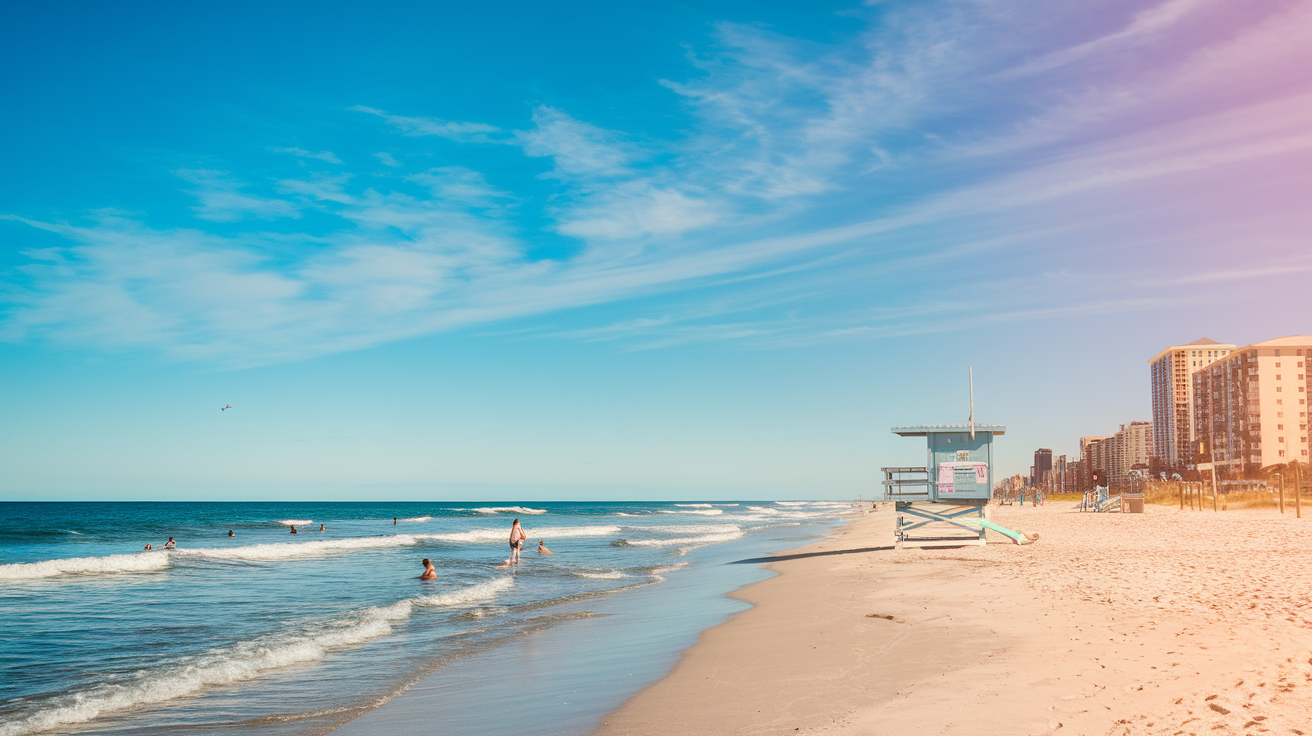
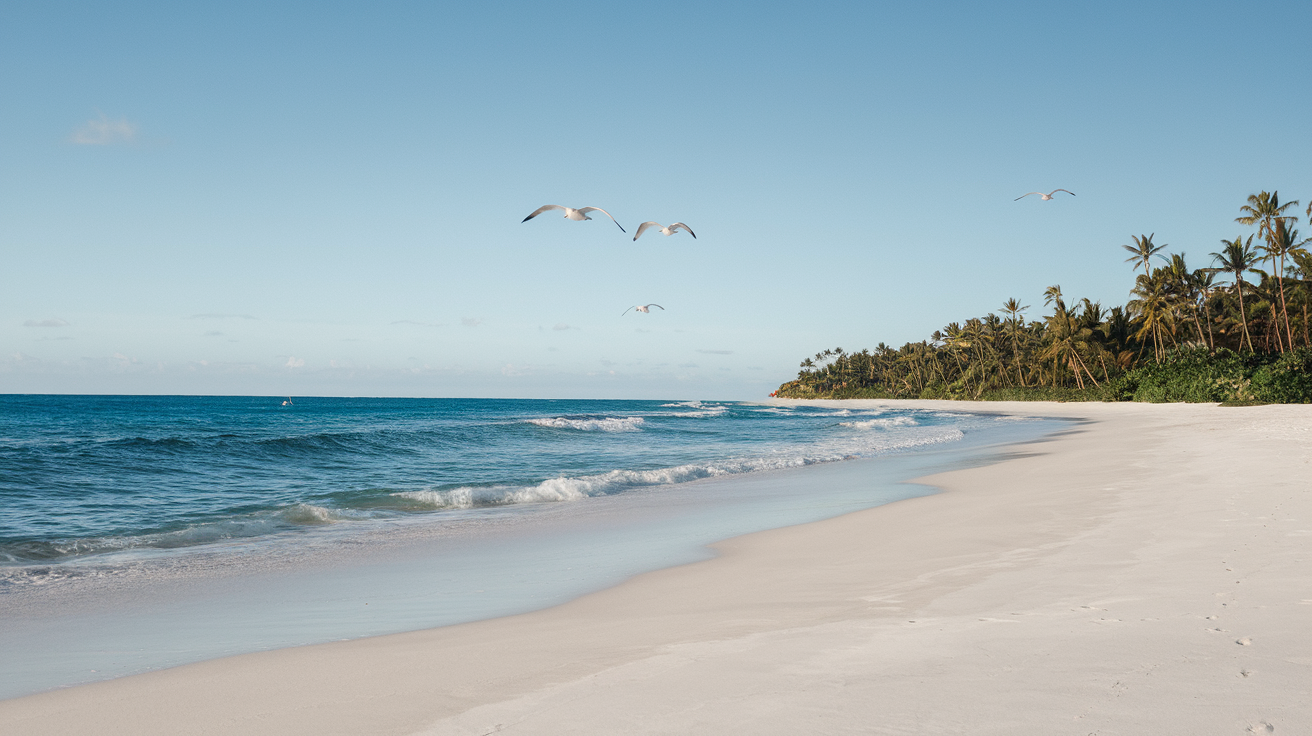
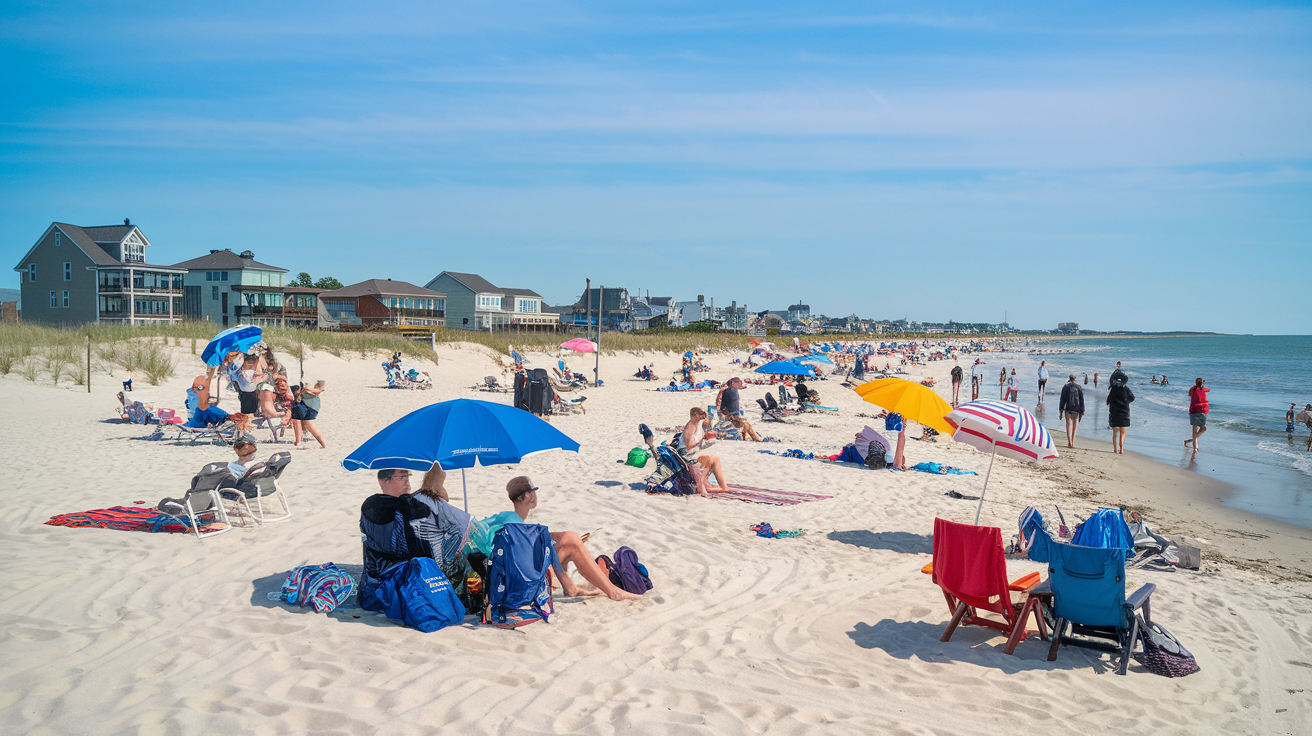
Myrtle Beach is a popular vacation spot known for its long sandy beaches and warm ocean waters. Many travelers wonder, "Is Myrtle Beach safe to swim?" If you are planning a trip here, you want to enjoy the water without worry. I will guide you through the safety aspects of swimming in Myrtle Beach so you can relax and have fun.
In this article, we explore water quality, beach conditions, and safety tips. You will learn about lifeguard presence, common hazards, and how to stay safe in the ocean. Whether you are visiting with family or friends, this guide helps you make smart choices for swimming in Myrtle Beach.
Water Quality and Cleanliness at Myrtle Beach
The water quality is a key factor when deciding if a beach is safe to swim. Myrtle Beach has good water standards, but it can vary with weather and seasons. The South Carolina Department of Health and Environmental Control (DHEC) regularly tests the ocean water for bacteria levels.
Here are some important points about water quality at Myrtle Beach:
DHEC posts weekly water quality reports during the swimming season.
Water is generally clean and safe, but after heavy rain, bacteria levels can rise temporarily.
Beach officials may close swimming areas if tests show unsafe bacteria levels.
Look for posted signs or check online before swimming, especially after storms.
Water temperatures range from the mid-50s °F in winter to mid-80s °F in summer, making summer the best time for swimming.
Overall, Myrtle Beach maintains good water quality for swimming most of the year. Staying informed about current conditions helps you avoid any health risks.
Beach Safety Measures and Lifeguards
Safety on the beach is important for swimmers of all ages. Myrtle Beach has many public beaches with safety measures in place. Lifeguards are present at popular spots during peak season, usually from late May through early September.
Here’s what you should know about beach safety and lifeguards:
Lifeguards monitor swimming areas and can assist in emergencies.
Swim near lifeguard stations for added safety.
Follow all posted beach rules and warnings.
Use designated swimming zones marked by flags or buoys.
Watch for rip currents and avoid swimming alone.
Even with lifeguards, you should always swim cautiously. Keep an eye on children and never swim under the influence of alcohol or drugs.
Common Ocean Hazards at Myrtle Beach
While Myrtle Beach is generally safe, some ocean hazards exist that swimmers should be aware of. Understanding these risks helps you stay safe in the water.
Common hazards include:
Rip Currents: These strong currents can pull swimmers away from shore. Learn how to spot them—look for gaps in wave patterns or areas with churning water.
Jellyfish: Occasionally, jellyfish appear in the water. Their stings can be painful but are rarely dangerous. Avoid touching jellyfish and seek help if stung.
Sharks: Shark encounters are very rare at Myrtle Beach. Still, avoid swimming at dawn or dusk when sharks are more active.
Sun Exposure: Prolonged sun can cause burns or heatstroke. Use sunscreen and stay hydrated.
By knowing these hazards, you can enjoy the ocean safely and confidently.
Best Times and Places to Swim in Myrtle Beach
Choosing the right time and spot to swim improves your safety and enjoyment. Myrtle Beach offers many great swimming areas, but some are better than others.
Consider these tips:
Swim during daylight hours when lifeguards are on duty.
Visit popular beaches like Main Street Beach, Myrtle Beach State Park, or North Myrtle Beach for lifeguards and amenities.
Avoid swimming after heavy rain or during rough seas.
Check local weather and ocean conditions before heading out.
Early summer through early fall is the best season for warm water and safe swimming.
Following these tips helps you pick safe, enjoyable spots to swim.
How to Stay Safe While Swimming in Myrtle Beach
Even if the beach is safe, you must take personal precautions. Here are practical safety tips for swimming at Myrtle Beach:
Always swim with a buddy; never swim alone.
Stay within your swimming ability and avoid deep water if you are inexperienced.
Keep an eye on children and use life jackets for young swimmers.
Watch for warning flags: red means no swimming, yellow means caution, green means safe.
Enter the water feet first to avoid injuries.
Stay hydrated and take breaks from the sun.
Follow lifeguard instructions and beach rules.
These simple steps reduce risks and help you have a fun day at the beach.
Local Resources and Emergency Contacts
Knowing who to contact in case of an emergency or for information is important. Myrtle Beach has resources to help visitors stay safe.
Myrtle Beach Lifeguard Services: Lifeguards patrol main beaches during summer months.
South Carolina Department of Health and Environmental Control (DHEC): Provides water quality updates online.
Emergency Number: Dial 911 for any emergencies on the beach or in the water.
Myrtle Beach Visitor Center: Offers safety tips and local info.
Keep these contacts handy during your trip for peace of mind.
Conclusion
Myrtle Beach is generally safe to swim when you follow simple safety rules and stay informed. The water quality is good, lifeguards are available at popular spots, and hazards like rip currents and jellyfish are manageable with awareness.
By choosing the right time and place to swim, watching for warning signs, and swimming responsibly, you can enjoy the ocean safely. Myrtle Beach offers a wonderful beach experience for families, couples, and solo travelers alike. With these tips, you can dive in with confidence and make the most of your visit.
FAQs
Is the water at Myrtle Beach clean and safe for swimming?
Yes, Myrtle Beach maintains good water quality. The South Carolina DHEC tests the water regularly and posts updates. Avoid swimming after heavy rain when bacteria levels may rise.
Are there lifeguards on Myrtle Beach?
Lifeguards are on duty at many popular Myrtle Beach locations during peak summer months. Swim near lifeguard stations for added safety.
What should I do if caught in a rip current?
If caught in a rip current, stay calm. Swim parallel to the shore until you escape the current, then swim back to the beach. Do not swim against the current directly.
Can I swim at Myrtle Beach year-round?
Swimming is best from late spring to early fall when water temperatures are warmer. Winter water can be cold and less safe for swimming.
Are jellyfish common at Myrtle Beach?
Jellyfish can appear occasionally, especially in warmer months. Their stings are usually mild. Avoid touching jellyfish and seek help if stung.