Is Myrtle Beach Open to Swim? Beach Access & Safety Tips
Discover if Myrtle Beach is open for swimming, with tips on beach safety, best spots, and local rules for a fun visit.
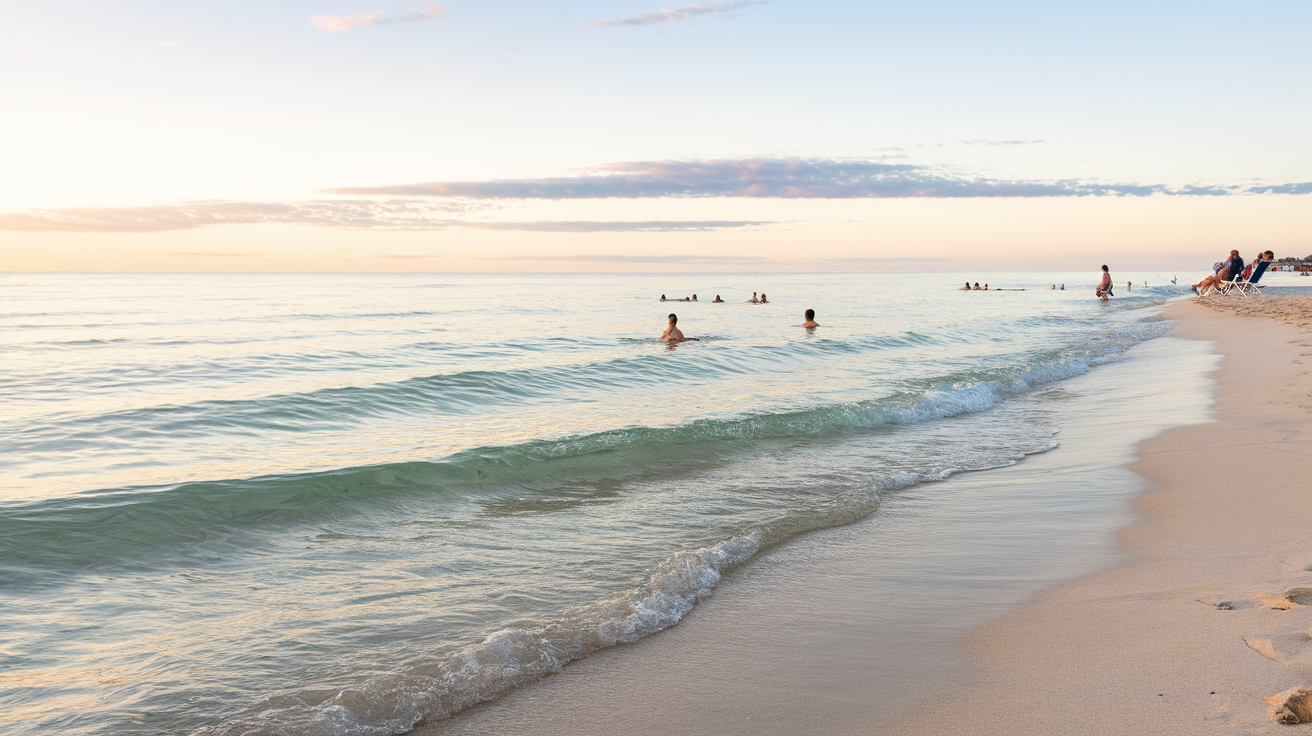
Myrtle Beach is a top destination for beach lovers. You might wonder if the beaches here are open for swimming. Whether you plan a summer trip or a quick getaway, knowing the rules and conditions helps you enjoy the water safely.
In this article, we will explore if Myrtle Beach is open to swim, what to expect from the water conditions, and how to stay safe. We will also share the best spots for swimming and what local rules you should follow.
Is Myrtle Beach Open for Swimming?
Yes, Myrtle Beach is open for swimming year-round. The Atlantic Ocean along the Grand Strand offers plenty of spots where you can enjoy the water. The city maintains public beaches that are accessible to visitors and locals alike.
However, swimming conditions can change based on weather, tides, and safety alerts. It’s important to check local updates before you jump in. Here’s what you should know:
Seasonal Access: Beaches are open all year, but lifeguards are usually on duty from late spring through early fall.
Water Quality: The city monitors water quality regularly to ensure it is safe for swimming.
Beach Hours: Most public beaches allow swimming from dawn to dusk.
Weather Alerts: Swimming may be restricted during storms, high surf, or dangerous currents.
Best Myrtle Beach Spots for Swimming
Myrtle Beach has many great spots for swimming. Some are more family-friendly, while others offer quieter settings. Here are some top places to swim:
Main Myrtle Beach: The central area has wide sandy beaches with lifeguards and easy access to shops and restaurants.
North Myrtle Beach: Known for calmer waters and less crowded beaches, ideal for families and beginners.
Surfside Beach: A quieter option south of Myrtle Beach with clean water and gentle waves.
State Parks: Myrtle Beach State Park offers a natural beach setting with lifeguards and picnic areas.
Swimming Safety Tips at Myrtle Beach
Swimming in the ocean can be fun but also risky if you don’t take precautions. Here are some safety tips for swimming at Myrtle Beach:
Swim Near Lifeguards: Always swim where lifeguards are present, especially if you’re unfamiliar with ocean swimming.
Watch for Flags: Pay attention to beach warning flags that indicate water conditions.
Beware of Rip Currents: Learn how to spot and escape rip currents. Swim parallel to the shore if caught in one.
Check Weather: Avoid swimming during storms or when the water looks rough.
Stay Hydrated and Use Sunscreen: Protect yourself from sunburn and heat while swimming.
Local Rules and Regulations for Swimming
Myrtle Beach has rules to keep swimmers safe and protect the environment. Here are key regulations to follow:
No Swimming at Night: Swimming is not allowed after dark for safety reasons.
Alcohol Restrictions: Drinking alcohol on the beach or in the water is prohibited.
Pets: Dogs are not allowed on the beach during peak season, usually from May to September.
Littering: Keep the beach clean by disposing of trash properly.
Boating and Swimming: Stay within designated swimming areas away from boats and jet skis.
When Is the Best Time to Swim in Myrtle Beach?
The best time to swim in Myrtle Beach depends on your preferences for weather and crowd levels. Here’s what to expect:
Summer (June to August): Warm water and full lifeguard service. This is the busiest time with many tourists.
Late Spring and Early Fall: Water is still warm, but crowds are smaller. Good for a quieter swim.
Winter: Water is cold, and swimming is less common. Beaches are open but lifeguards are off duty.
How to Prepare for a Swimming Day at Myrtle Beach
Planning ahead makes your swim day more enjoyable. Here are some tips to prepare:
Check the Weather and Water Conditions: Use local websites or apps for updates.
Bring Beach Essentials: Sunscreen, towels, hats, water, and snacks.
Wear Proper Swimwear: Choose comfortable suits and water shoes if you want to protect your feet.
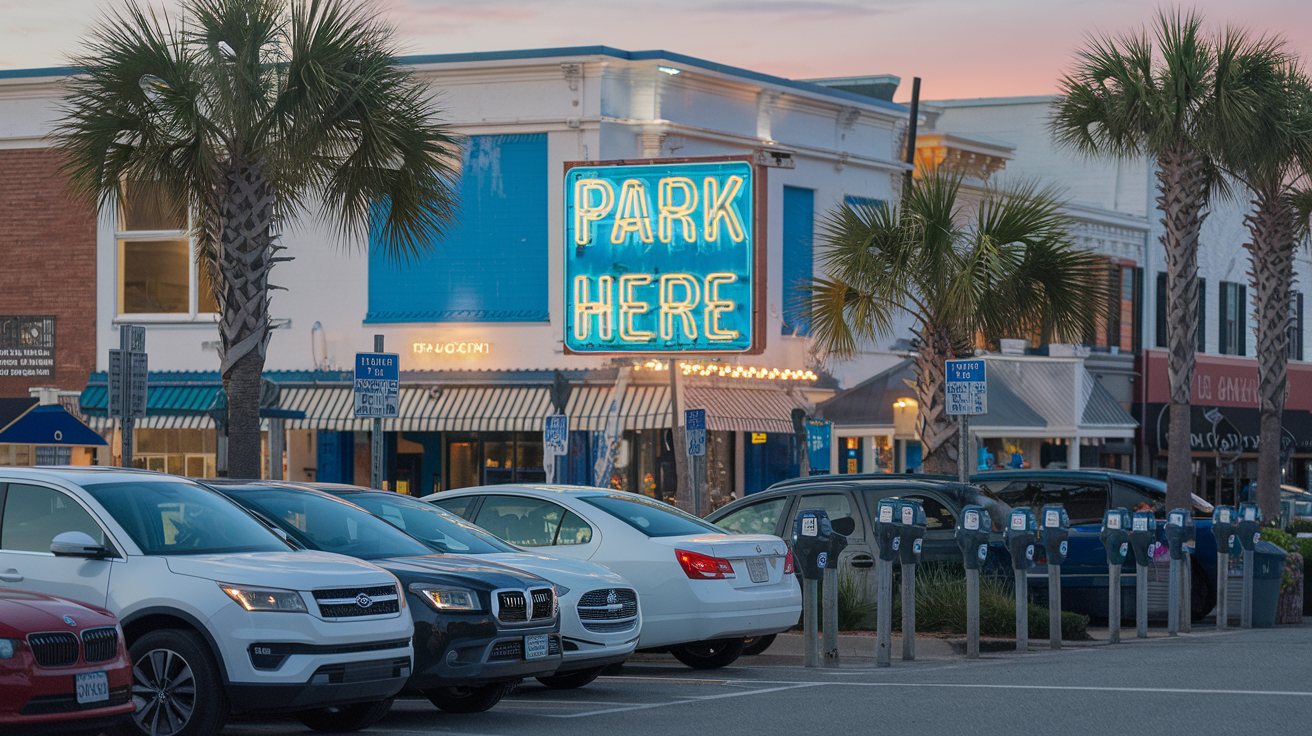
Arrive Early: Parking can fill up quickly during peak season.
Know Emergency Contacts: Note the location of lifeguard stations and emergency numbers.
Other Water Activities Besides Swimming
If you want to enjoy the water but not swim, Myrtle Beach offers many options:
Surfing: Several spots have good waves for beginners and experienced surfers.
Paddleboarding: Calm areas and rentals are available along the coast.
Fishing: Try pier fishing or charter a boat for deep-sea fishing.
Jet Skiing and Parasailing: Popular for thrill-seekers with many rental companies.
Where to Stay Near Myrtle Beach Beaches
Choosing the right place to stay can enhance your swimming trip. Here are some hotel options close to the beach:
Marriott Resort & Spa at Grande Dunes: Luxury stay with beach access and pools.
Hilton Myrtle Beach Resort: Family-friendly with ocean views and easy beach access.
Sea Crest Oceanfront Resort: Budget-friendly with pools and direct beach entry.
Ocean Reef Resort: Offers suites and condos near the shore.
How to Get to Myrtle Beach Beaches
Myrtle Beach is easy to reach by car, plane, or bus. Here’s how to get there and access the beaches:
By Car: Interstate 95 connects to Myrtle Beach via US-17. Ample parking is available near public beaches.
By Plane: Myrtle Beach International Airport is close to the beach area with rental cars and shuttles.
By Bus: Greyhound and local shuttles serve the area.
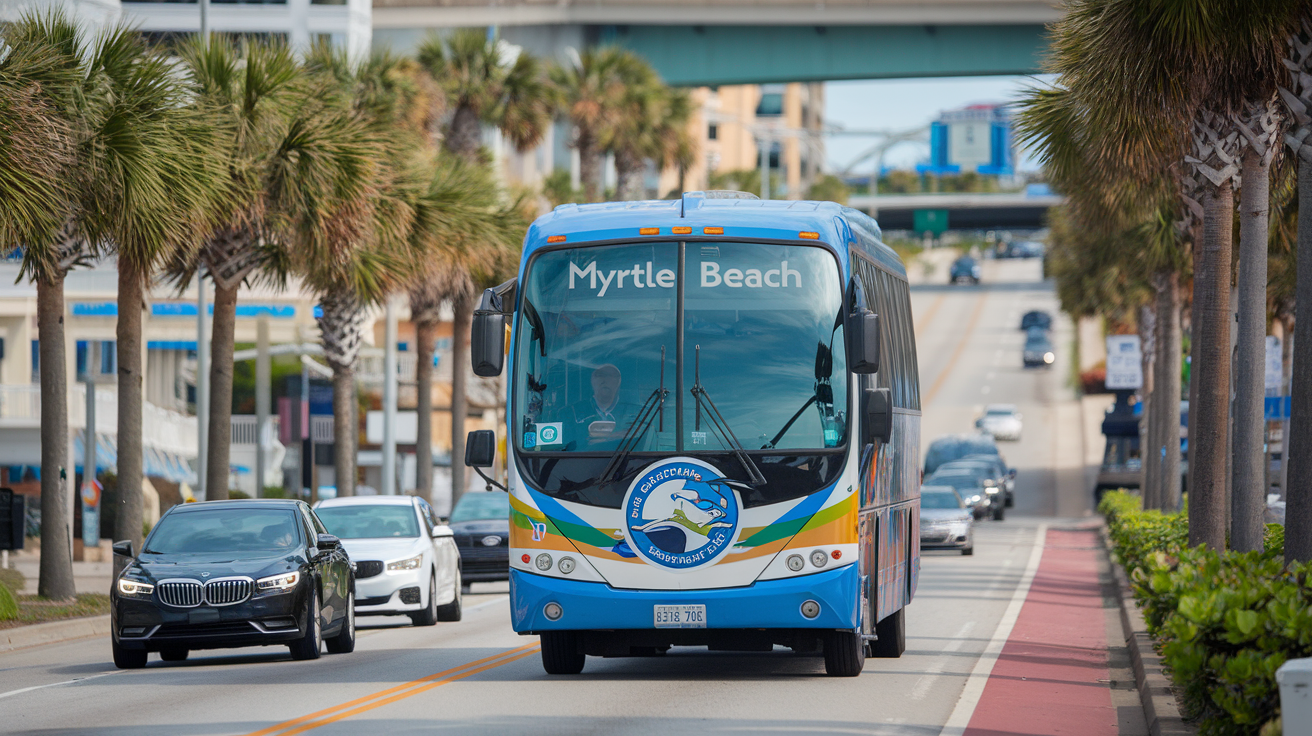
Local Transport: The Coast RTA bus system runs routes along the beach and city.
Tips for Booking Your Myrtle Beach Swimming Trip
To get the best experience, consider these booking tips:
Book Early: Popular hotels fill up fast in summer.
Look for Beachfront Deals: Many hotels offer packages with beach access.
Check Cancellation Policies: Weather can change plans, so flexible bookings help.
Use Trusted Sites: Book through official hotel websites or reputable travel platforms.
Conclusion
Myrtle Beach is open for swimming throughout the year, with the best experience during the warmer months. The city offers safe, clean beaches with lifeguards and clear rules to keep you protected. You can enjoy swimming, surfing, or just relaxing by the ocean.
Planning your trip with safety in mind and knowing the best spots will help you have a great time. Whether you visit in summer or shoulder seasons, Myrtle Beach’s inviting waters are ready for you to dive in and enjoy.
FAQs
Is swimming allowed year-round at Myrtle Beach?
Yes, swimming is allowed year-round, but lifeguards are usually on duty from late spring to early fall. Water can be cold in winter, so swimming is less common then.
Are there lifeguards on Myrtle Beach?
Lifeguards are present on most public beaches during the main swimming season, typically from May through September. Always swim near lifeguard stations for safety.
What should I do if caught in a rip current at Myrtle Beach?
If caught in a rip current, stay calm and swim parallel to the shore until you are out of the current. Then swim back to the beach at an angle.
Can I swim at night on Myrtle Beach?
No, swimming at night is not allowed for safety reasons. Beaches are open for swimming only from dawn to dusk.
Are pets allowed on Myrtle Beach during swimming season?
Pets are generally not allowed on the beach during peak season, from May to September. Check local rules if you plan to bring your pet.