Is Myrtle Beach Going to Flood? Flood Risks & Safety Tips
Learn about Myrtle Beach flood risks, safety tips, and how to plan your stay with confidence during hurricane season and heavy rains.
Myrtle Beach is a popular vacation spot known for its beautiful beaches and family-friendly attractions. If you are planning a trip, you might worry about flooding, especially during hurricane season or heavy rain. We want to help you understand the flood risks in Myrtle Beach and how to stay safe while enjoying your visit.
In this article, we will explain when and why flooding happens in Myrtle Beach. We will also share tips on how to prepare, what areas to avoid, and how to find safe places to stay. This way, you can plan your trip with confidence and enjoy everything this coastal city has to offer.
Understanding Flood Risks in Myrtle Beach
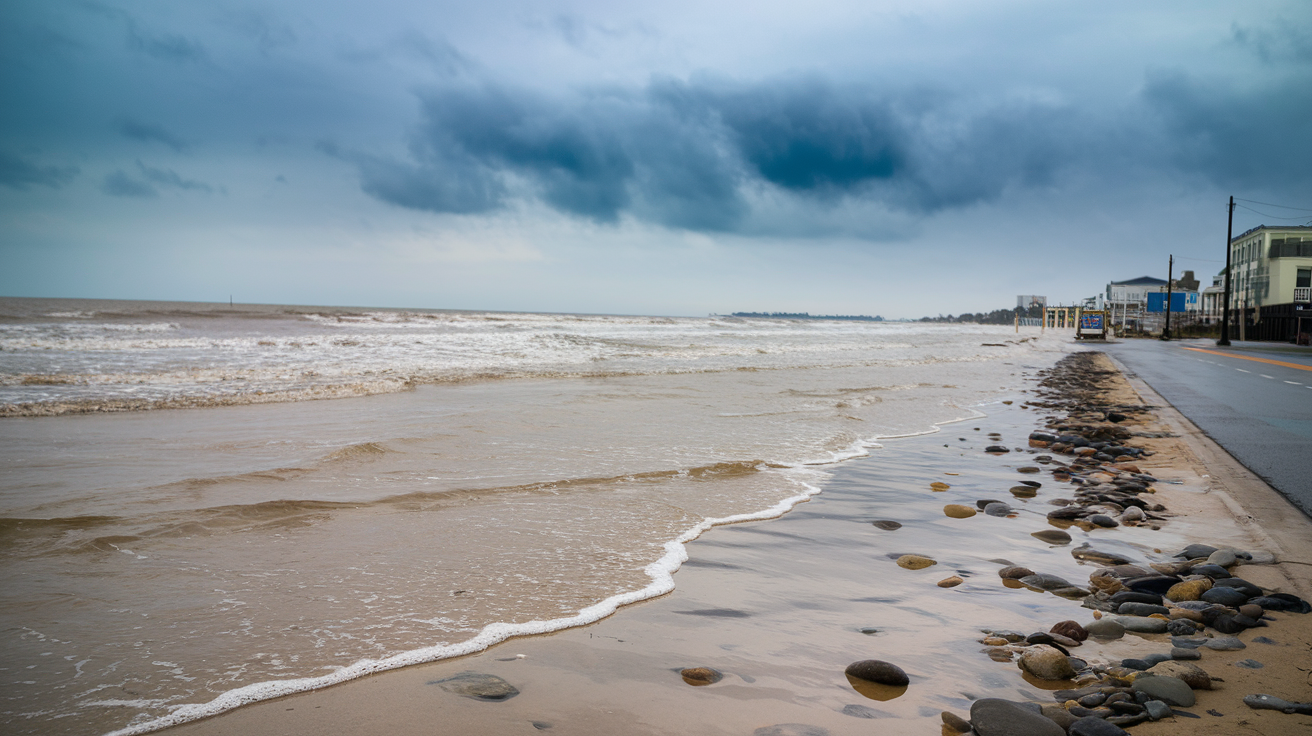
Myrtle Beach is located along the Atlantic coast in South Carolina. Because of its coastal location, it can be affected by storms and heavy rain. Flooding can happen in different ways here, including:
Storm Surge: When hurricanes or tropical storms push ocean water onto the shore, it can cause flooding near the beach.
Heavy Rainfall: Intense rain can overwhelm drainage systems and cause water to pool in low-lying areas.
River Flooding: Nearby rivers and streams can overflow after heavy rains, affecting inland areas.
While flooding is possible, Myrtle Beach has systems in place to reduce risks. The city has built seawalls, improved drainage, and has emergency plans for storms. Still, it is important to stay informed, especially during hurricane season from June to November.
When Is Myrtle Beach Most Likely to Flood?
The highest risk of flooding in Myrtle Beach is during hurricane season. Hurricanes and tropical storms can bring strong winds, heavy rain, and storm surge. These storms can cause flooding in coastal and nearby areas.
Besides hurricanes, heavy rain from thunderstorms can also cause flash flooding. This can happen any time of year but is more common in summer months.
Hurricane Season: June 1 to November 30, with peak activity in August and September.
Heavy Rain Events: Often in summer due to thunderstorms.
Winter Storms: Rarely cause flooding but can bring rain and runoff.
Knowing these times can help you plan your trip and check weather updates before you travel.
Areas in Myrtle Beach Most Prone to Flooding
Some parts of Myrtle Beach are more likely to flood than others. Low-lying areas near the coast, rivers, and creeks are at higher risk. Here are some zones to watch:
Oceanfront Areas: Beaches and nearby streets can flood during storm surge or heavy rain.
Intracoastal Waterway: This waterway runs parallel to the coast and can overflow during storms.
Low Elevation Neighborhoods: Some inland neighborhoods have poor drainage and can flood after rain.
If you plan to stay near the beach, ask your hotel about flood history and safety measures. Many hotels in Myrtle Beach are built to withstand storms and have evacuation plans.
How to Check Current Flood Risk Before Your Trip
Before traveling to Myrtle Beach, it is smart to check the current flood risk and weather conditions. Here are some ways to stay updated:
National Weather Service: Visit weather.gov for alerts and flood warnings in the Myrtle Beach area.
Local News Websites: Follow Myrtle Beach news stations for storm updates and safety tips.
FEMA Flood Maps: Use FEMA’s online flood maps to see flood zones and risk levels.
Hotel and Resort Alerts: Many hotels provide updates to guests during storms.
Checking these sources can help you decide if it’s safe to travel or if you need to change your plans.
Tips for Staying Safe from Flooding in Myrtle Beach
If you are in Myrtle Beach during heavy rain or a storm, follow these safety tips to protect yourself and your belongings:
Follow Evacuation Orders: If local officials tell you to leave, do so quickly and calmly.
Avoid Driving in Flooded Areas: Never drive through water-covered roads. Just six inches of water can cause you to lose control.
Stay Informed: Keep a weather radio or phone app with alerts on.
Choose Accommodations Wisely: Stay in hotels on higher ground with good safety records.
Have an Emergency Kit: Pack essentials like water, snacks, flashlight, and medicines.
Being prepared can make a big difference if flooding occurs.
Best Hotels and Stays in Safe Areas of Myrtle Beach
When booking your stay, consider hotels that are located in safer, higher-elevation areas. Many popular hotels have strong flood prevention measures and emergency plans. Here are some recommended options:
Marriott Resort & Spa at Grande Dunes: Located in a well-protected area with luxury amenities and ocean views.
Hilton Myrtle Beach Resort: On the oceanfront but built to withstand storms with good evacuation plans.
Residence Inn by Marriott Myrtle Beach: Inland location with easy access to attractions and less flood risk.
SpringHill Suites by Marriott Myrtle Beach Oceanfront: Offers ocean views and is known for good guest safety protocols.
Ask hotels about their flood history and emergency procedures before booking.
Planning Your Trip Around Weather and Flood Risks
To avoid flood problems, plan your Myrtle Beach trip carefully. Here are some tips:
Travel Outside Hurricane Season: Visit in spring or early summer for lower flood risk.
Book Flexible Reservations: Choose hotels and flights with free cancellation or date changes.
Monitor Weather Forecasts: Check updates daily before and during your trip.
Have a Backup Plan: Know alternate hotels or nearby towns in case of evacuation.
Planning ahead helps you enjoy your vacation without worry.
What to Do If Flooding Happens During Your Stay
If flooding occurs while you are in Myrtle Beach, stay calm and follow these steps:
Listen to Local Authorities: Follow instructions from emergency services and hotel staff.
Move to Higher Ground: If safe, go to upper floors or designated shelters.
Avoid Flood Waters: Stay away from moving water and electrical equipment.
Keep Emergency Supplies Close: Have your kit ready with food, water, and important documents.
Contact Family and Friends: Let them know you are safe and your location.
Hotels often have plans to help guests during emergencies, so ask the front desk for help if needed.
How Myrtle Beach Prepares for Flooding and Storms
The city of Myrtle Beach works hard to reduce flood risks and protect residents and visitors. Some of their efforts include:
Seawalls and Dunes: Natural and man-made barriers help block storm surge.
Improved Drainage Systems: Upgraded pipes and pumps reduce flooding from rain.
Emergency Response Plans: Coordinated plans for evacuation and rescue during storms.
Public Alerts: Systems to warn people quickly about floods and hurricanes.
These measures help keep Myrtle Beach safer during severe weather.
Conclusion
Myrtle Beach can experience flooding, especially during hurricane season and heavy rain. But with good planning and awareness, you can enjoy your trip safely. Check weather updates before you go, choose hotels in safer areas, and follow local advice during storms.
By understanding the flood risks and preparing well, you can relax and have fun exploring Myrtle Beach’s beaches, attractions, and restaurants. Stay informed, stay safe, and enjoy your visit to this beautiful coastal city.
FAQs
Is Myrtle Beach prone to flooding every year?
Myrtle Beach can flood during heavy storms and hurricanes, but it does not flood every year. Flooding risk is higher during hurricane season from June to November.
What should I do if a flood warning is issued while visiting Myrtle Beach?
Follow local evacuation orders, avoid flooded roads, and move to higher ground or designated shelters. Stay in contact with your hotel staff for guidance.
Are hotels in Myrtle Beach prepared for flooding?
Many hotels have emergency plans and are built to handle storms. It’s best to ask your hotel about their flood safety measures before booking.
Can I travel to Myrtle Beach safely during hurricane season?
Yes, but it requires careful planning. Monitor weather forecasts, book flexible reservations, and be ready to change plans if a storm approaches.
Where can I find reliable flood and weather updates for Myrtle Beach?
Check the National Weather Service, local news websites, and FEMA flood maps for current alerts and flood risk information before and during your trip.