Is Myrtle Beach Expensive to Vacation?
Discover if Myrtle Beach is expensive for vacation with hotel costs, dining, activities, and budget tips for a fun, affordable trip.
Introduction
Planning a trip to Myrtle Beach? You might wonder if vacationing here will break your budget. Myrtle Beach is a popular coastal destination known for its sandy shores, lively boardwalk, and family-friendly attractions.
In this article, I’ll help you understand the costs of staying, eating, and enjoying activities in Myrtle Beach. You’ll get practical tips to plan a trip that fits your budget, whether you want to splurge or save.
Understanding Myrtle Beach Vacation Costs
Myrtle Beach offers a wide range of prices depending on when you visit, where you stay, and what you do. It’s not always expensive, but costs can add up if you don’t plan carefully.
Here are the main expenses to consider:
Accommodation: Hotels, resorts, and vacation rentals vary from budget to luxury.
Food and dining: Options range from fast food to fine dining.
Activities and entertainment: Attractions, shows, and tours have different price points.
Transportation: Getting around town and parking fees.
Knowing these costs will help you decide how expensive your Myrtle Beach vacation might be.
Hotel and Accommodation Costs in Myrtle Beach
Where you stay is often the biggest part of your vacation budget. Myrtle Beach has many lodging options to fit different budgets.
Here’s a breakdown of typical accommodation prices:
Budget hotels and motels: Around $60 to $100 per night. Brands like Days Inn and Super 8 offer basic rooms near the beach.
Mid-range hotels: $100 to $180 per night. Popular chains like Hampton Inn and Holiday Inn provide comfortable stays with amenities.
Beachfront resorts: $180 to $300+ per night. Resorts like Marina Inn at Grande Dunes offer ocean views and pools.
Vacation rentals: Prices vary widely. You can find condos or beach houses for $100 to $400+ per night, depending on size and location.
Booking early and traveling in the off-season (fall or winter) can lower costs significantly. Also, consider staying a few blocks from the beach to save money.
Dining and Food Expenses
Food costs in Myrtle Beach can be as affordable or as pricey as you want. The city has many dining options to suit all budgets.
Here’s what you can expect:
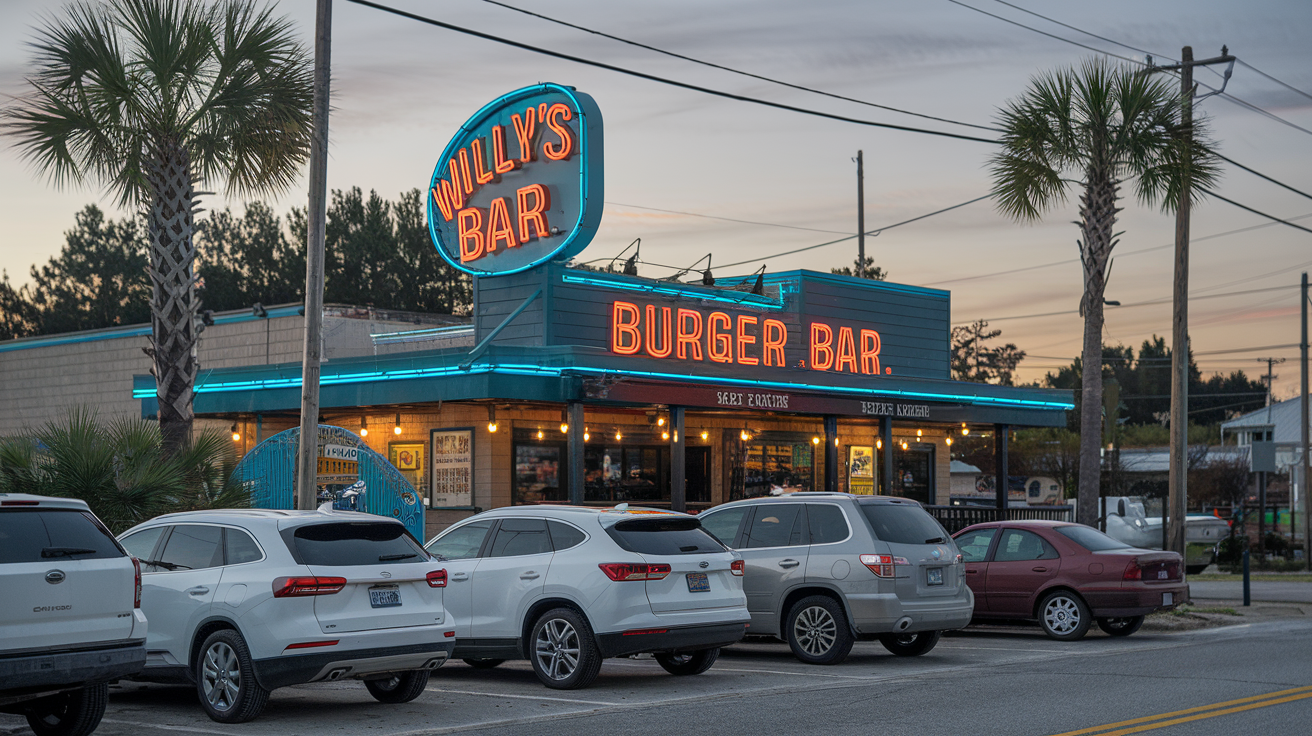
Fast food and casual dining: Meals usually cost $7 to $15. Chains like Chick-fil-A and local seafood shacks offer quick, tasty options.
Mid-range restaurants: Expect to pay $15 to $30 per person. Places like Sea Captain’s House serve fresh seafood with a nice atmosphere.
Fine dining: $40+ per person. Restaurants such as Aspen Grille provide upscale meals and wine.
Groceries and cooking: Buying groceries and cooking in a rental can save money, especially for families.
Look for daily specials and happy hours to enjoy good food without overspending.
Activities and Entertainment Costs
Myrtle Beach has many free and paid activities. Your entertainment budget depends on what you want to do.
Here are common costs:
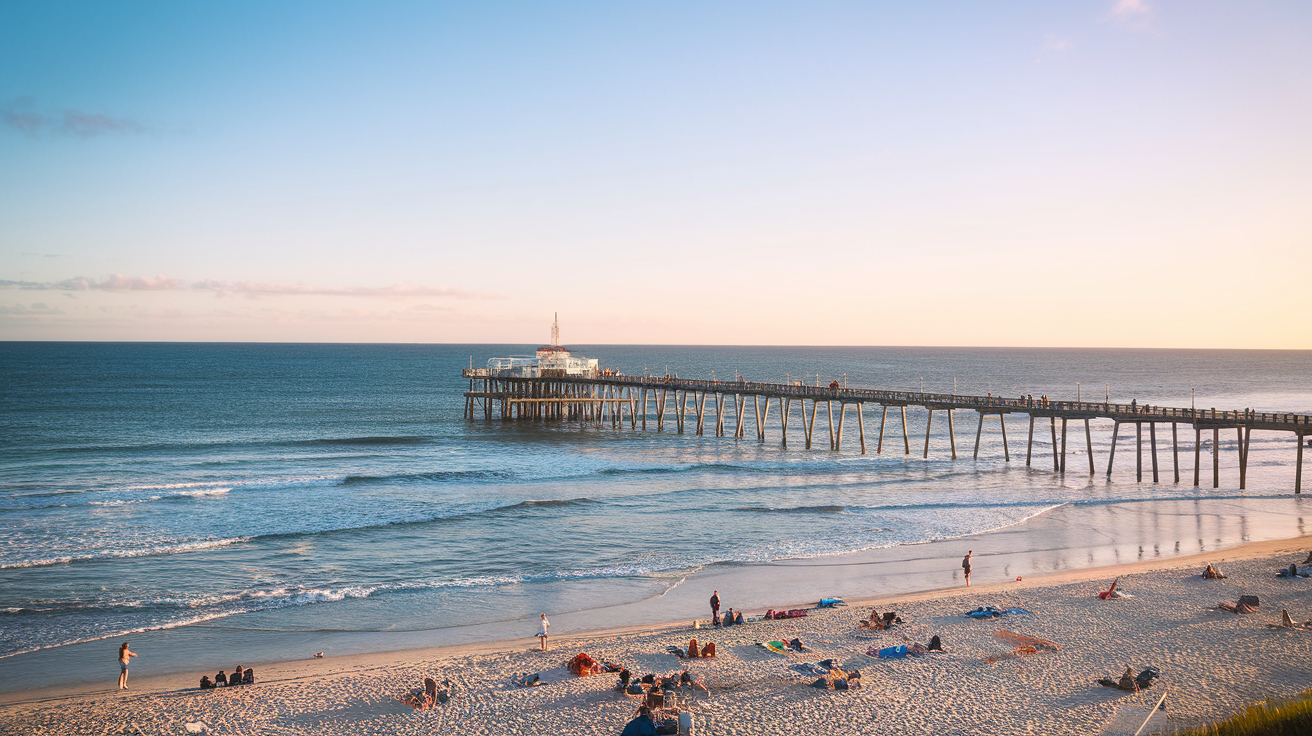
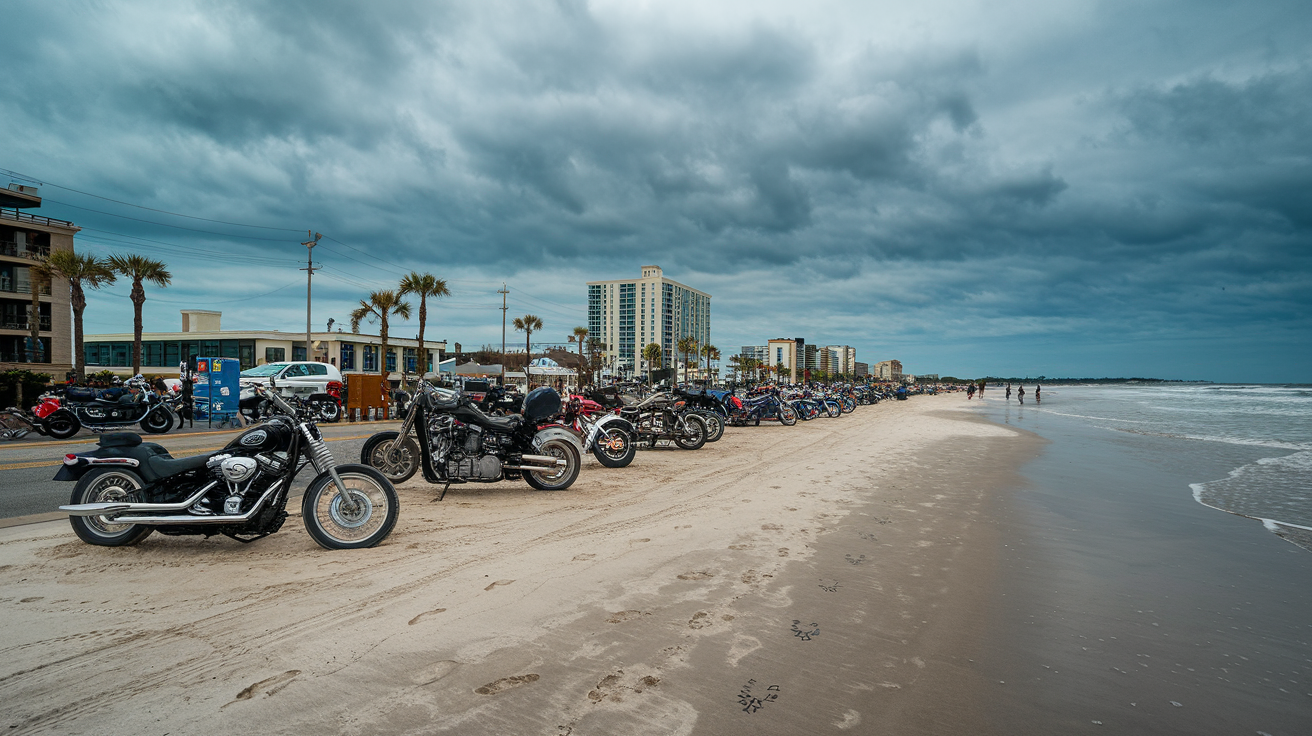
Beach access: Free. You can enjoy sunbathing, swimming, and walking the shore at no cost.
Mini-golf and arcades: $5 to $15 per game or round. Myrtle Beach is famous for its many mini-golf courses.
Amusement parks and water parks: $20 to $50 per ticket. Places like Family Kingdom offer rides and fun for all ages.
Shows and theaters: $25 to $60 per ticket. The Carolina Opry and Alabama Theatre host popular live performances.
Boat tours and fishing charters: $30 to $100+. Options include dolphin watching and deep-sea fishing.
Planning a mix of free and paid activities helps control your entertainment spending.
Transportation and Getting Around
Transportation costs in Myrtle Beach are generally low compared to bigger cities.
Consider these options:
Driving: Many visitors drive or rent a car. Parking near the beach may cost $5 to $10 per day.
Public transit: The Coast RTA bus system offers routes around the city for $2 per ride.
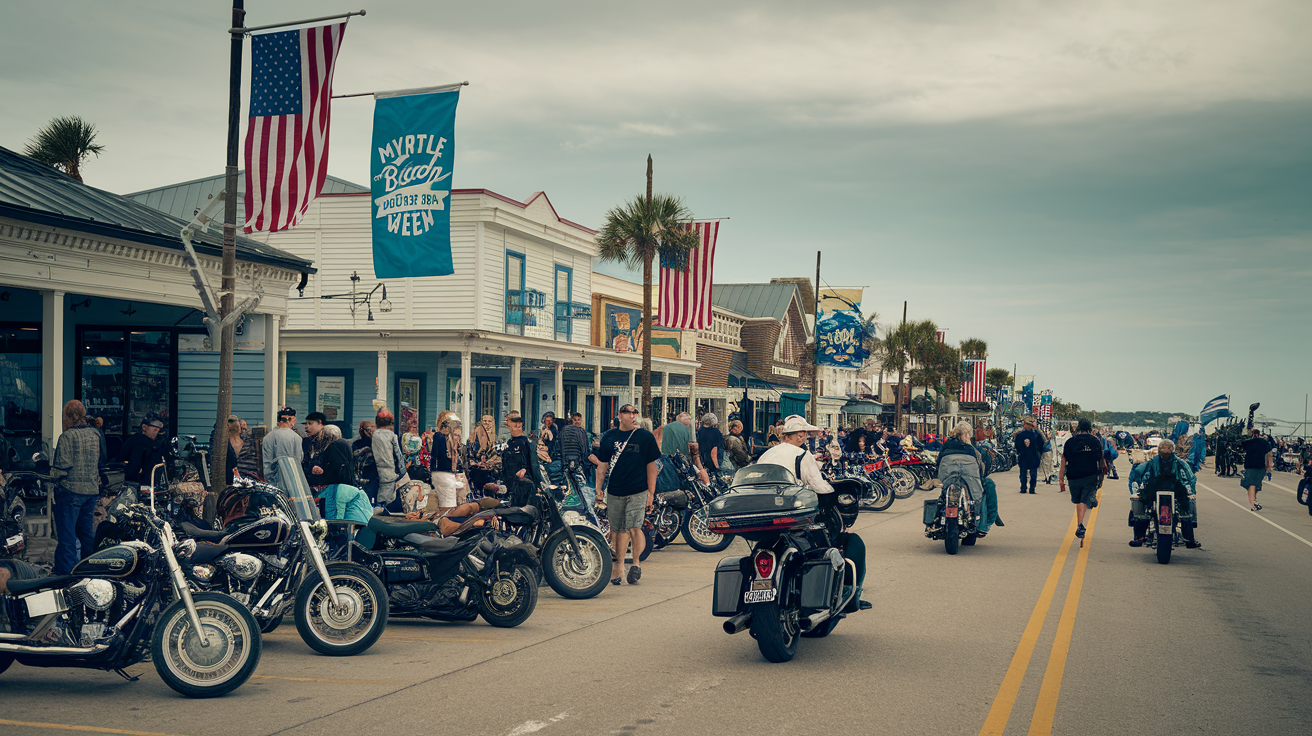
Biking and walking: Many areas are walkable or bike-friendly, especially near the boardwalk.
Rideshares and taxis: Uber and Lyft are available but can add up if used often.
Choosing accommodation near your main activities can reduce transportation expenses.
Tips to Save Money on Your Myrtle Beach Vacation
You don’t have to spend a lot to enjoy Myrtle Beach. Here are some tips to keep your trip affordable:
Travel off-season: Visit in fall or winter for lower hotel rates and fewer crowds.
Book early: Secure accommodations and activities in advance for better deals.
Use package deals: Look for hotel and activity bundles that offer discounts.
Eat like a local: Try casual seafood shacks and food trucks instead of pricey restaurants.
Choose free attractions: Spend time on the beach, visit public parks, and explore local markets.
Rent a condo or vacation home: Cooking your own meals saves money on dining out.
Use public transit or walk: Avoid parking fees and rental car costs when possible.
Best Areas to Stay in Myrtle Beach for Different Budgets
Where you stay affects your overall vacation cost and experience. Here are some neighborhoods to consider:
Downtown Myrtle Beach: Close to the boardwalk, restaurants, and nightlife. Good for mid-range to luxury stays.
North Myrtle Beach: Quieter with family-friendly beaches. Offers budget motels and resorts.
Surfside Beach: More affordable and less crowded, about 15 minutes south of Myrtle Beach.
Market Common: Upscale area with shops and dining, ideal for those wanting a quieter, walkable stay.
Choosing your area based on your budget and interests helps you get the best value.
When Is the Cheapest Time to Vacation in Myrtle Beach?
The cost of a Myrtle Beach vacation changes with the seasons. The busiest and most expensive months are summer and holidays.
Cheaper times to visit include:
Late fall (October to November): Cooler weather, fewer tourists, and lower hotel prices.
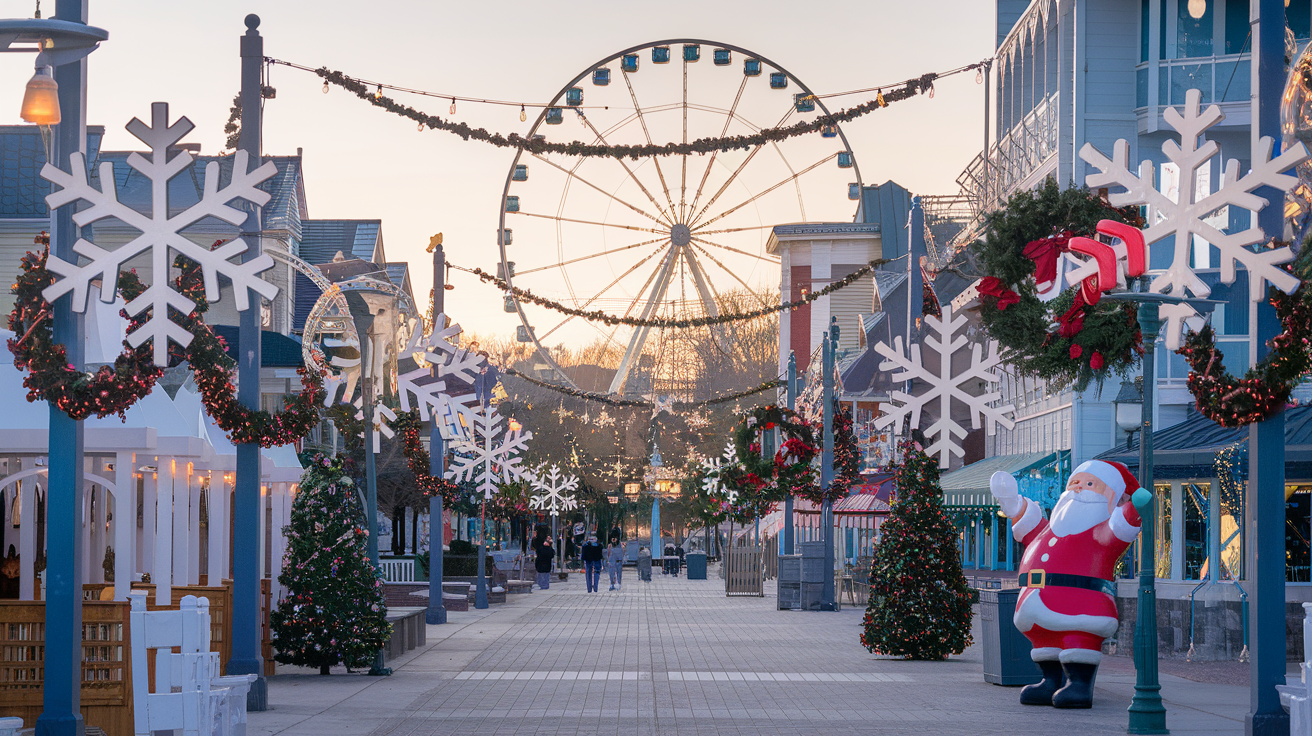
Winter (December to February): Off-season with the lowest rates, though some attractions may close or have limited hours.
Early spring (March to April): Mild weather and reasonable prices before the summer rush.
Visiting during these times can save you money on lodging and activities.
How to Budget Your Myrtle Beach Vacation
Setting a clear budget helps you enjoy your trip without surprises. Here’s a simple way to plan your spending:
Accommodation: Allocate 40-50% of your budget here.
Food and dining: Plan for 20-30%, including snacks and drinks.
Activities and entertainment: Reserve 15-25% for tickets, tours, and shows.
Transportation: Budget 5-10% for gas, parking, or transit fares.
Track your expenses daily to stay on target. Use apps or notes to record spending.
Conclusion
Myrtle Beach can be as expensive or affordable as you want. It offers a wide range of hotels, dining, and activities to fit many budgets. With some planning, you can enjoy a memorable beach vacation without overspending.
By choosing the right time to visit, selecting budget-friendly lodging, and mixing free and paid activities, you can have a great trip that feels worth every dollar. Myrtle Beach welcomes travelers looking for fun, sun, and relaxation at many price points.
FAQs
Is Myrtle Beach expensive compared to other beach destinations?
Myrtle Beach is generally more affordable than many popular beach spots like Miami or Malibu. It offers budget hotels and inexpensive dining, making it a good value for families and budget travelers.
What is the average cost of a hotel in Myrtle Beach?
Hotel prices vary, but budget options start around $60 per night. Mid-range hotels typically cost $100 to $180, while beachfront resorts can be $180 or more per night.
Are there free things to do in Myrtle Beach?
Yes, the beach itself is free to access. You can also enjoy walking the boardwalk, visiting public parks, and exploring local markets without spending money.
How can I save money on food while vacationing in Myrtle Beach?
Eating at casual seafood shacks, food trucks, or buying groceries to cook in your rental can lower food costs. Look for daily specials and happy hours at local restaurants.
When is the best time to find deals on Myrtle Beach vacations?
The best deals are usually found in the late fall, winter, and early spring when hotel rates drop and crowds thin out. Booking early also helps secure lower prices.