Is Myrtle Beach a Good Place to Find Shells?
Discover if Myrtle Beach is great for shell hunting with tips on the best spots, seasons, and local advice for shell collectors.
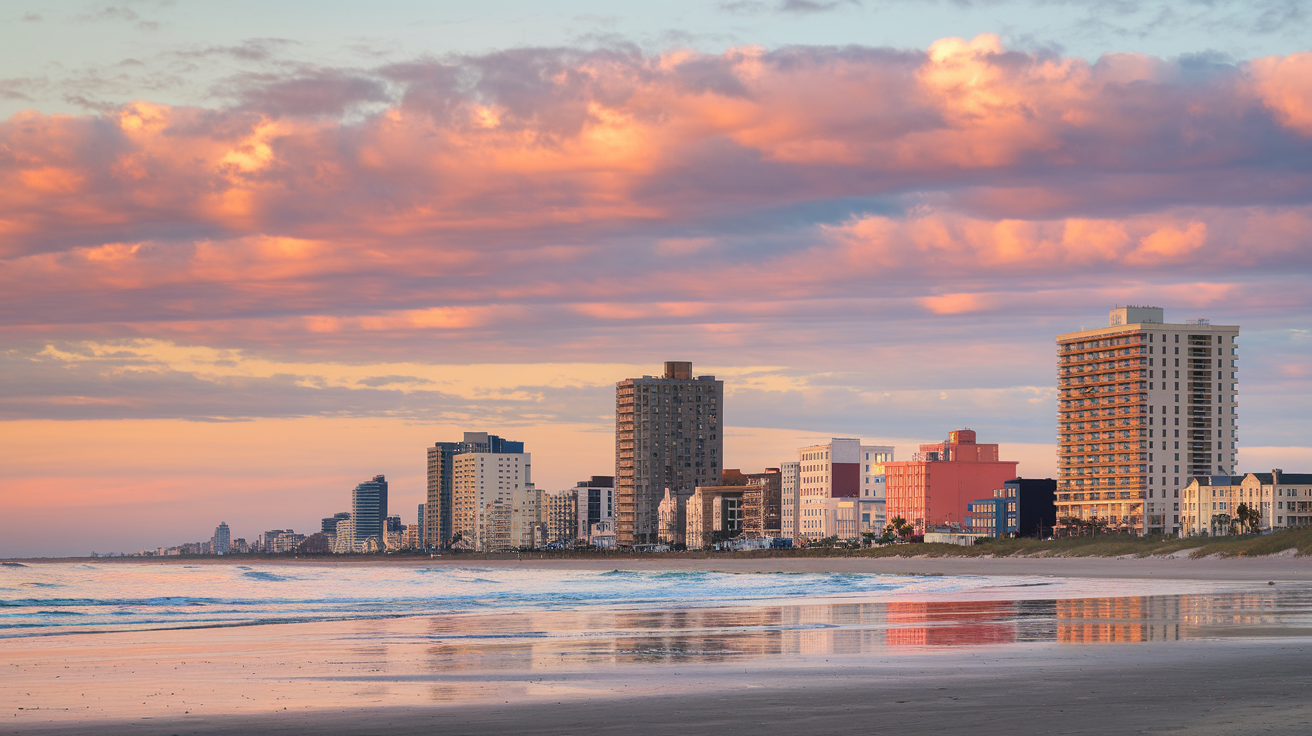
If you love collecting seashells, you might wonder if Myrtle Beach is a good spot to find them. Myrtle Beach, located on South Carolina’s coast, is famous for its long sandy beaches and warm ocean waters. Many visitors enjoy walking along the shore, looking for beautiful shells washed up by the waves. But is it really a great place to find shells? Let’s explore what makes Myrtle Beach special for shell hunters like you.
In this article, I will share where and when to find shells in Myrtle Beach. I’ll also give tips on the types of shells you can expect and how to make the most of your shell collecting trip. Whether you are a beginner or an experienced collector, this guide will help you enjoy your time on the beach and bring home some lovely shells.
Why Myrtle Beach Is Popular for Shell Collecting
Myrtle Beach has a long coastline with wide sandy beaches. This makes it easy to walk and search for shells. The ocean currents and tides bring a variety of shells to the shore. Many people visit Myrtle Beach not just for the sun and surf but also to find unique shells.
Here are some reasons why Myrtle Beach is a good place for shell hunting:
Wide, clean beaches with plenty of space to explore.
Warm ocean waters that support many sea creatures.
Regular tides that wash new shells ashore.
Nearby natural areas and parks that protect shell habitats.
These factors create good conditions for shell collectors to find a variety of shells along the coast.
Best Times to Find Shells in Myrtle Beach
Timing is important when looking for shells. The best time depends on the tides, weather, and season. Myrtle Beach has a mild climate, so you can search for shells most of the year. But some times are better than others.
Here are tips on when to plan your shell hunting:
Low Tide: The best time to find shells is during low tide. The ocean pulls back, exposing more sand and shells. Check local tide charts to plan your visit.
After Storms: Storms and strong waves can wash new shells ashore. After a storm passes, head to the beach to find fresh shells.
Spring and Fall: These seasons often have calm weather and good tides for shell hunting. The beaches are less crowded too.
Early Morning: Arriving early gives you the first chance to find shells before others arrive.
By choosing the right time, you increase your chances of finding beautiful and unique shells.
Where to Find the Best Shells in Myrtle Beach
Not all parts of Myrtle Beach are equal for shell collecting. Some areas are known for having more shells and better variety. Here are some top spots to check out:
North Myrtle Beach: This area is quieter and less crowded. The beaches here often have many shells, especially near the waterline.
Huntington Beach State Park: A protected natural area with clean beaches. You can find many shells here, plus enjoy wildlife and nature trails.
Cherry Grove Beach: Known for calm waters and good shelling opportunities. It’s a favorite spot for families.
Surfside Beach: Just south of Myrtle Beach, this beach is less busy and has a good variety of shells.
Exploring different beaches can help you find more types of shells and enjoy different scenery.
Types of Shells You Can Find in Myrtle Beach
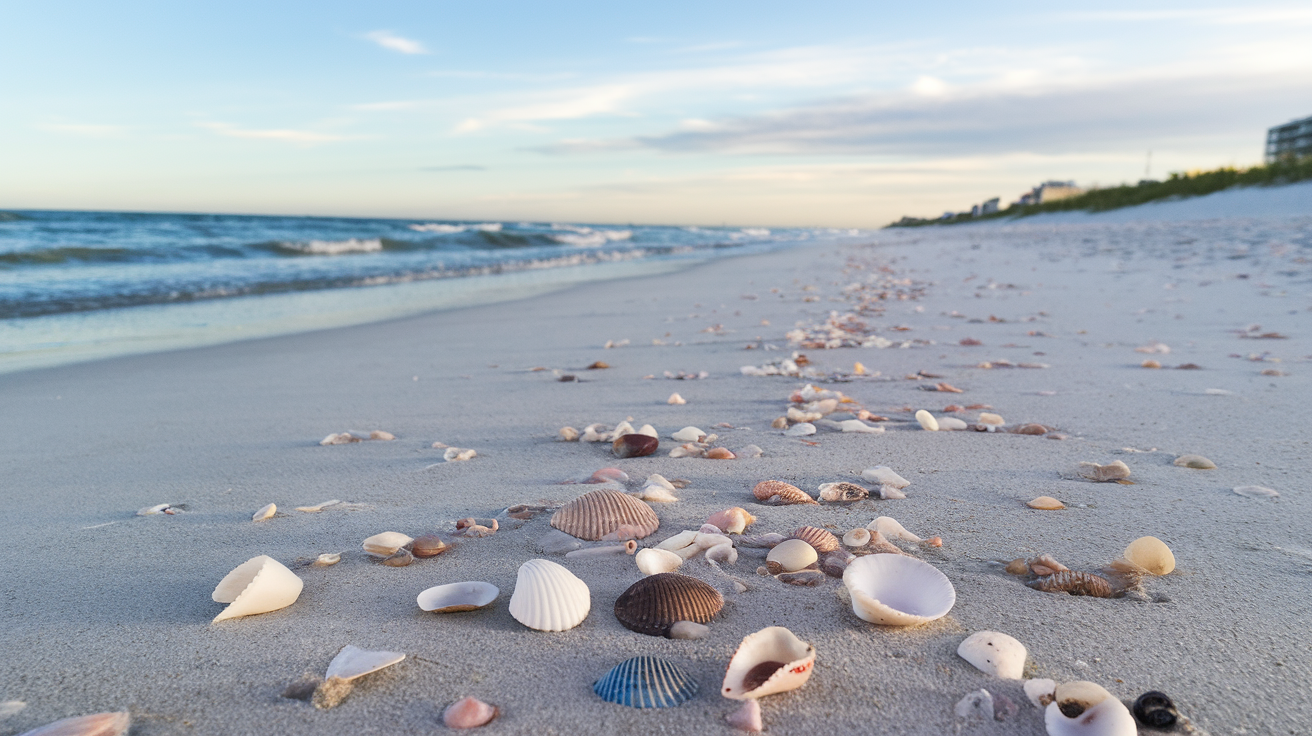
Myrtle Beach offers a variety of shells to collect. The types depend on the ocean life in the area. Here are some common shells you might find:
Scallop Shells: These fan-shaped shells are colorful and popular with collectors.
Clam Shells: Smooth and oval, clamshells come in many sizes and colors.
Conch Shells: Larger and spiral-shaped, conch shells are prized finds.
Oyster Shells: Rough and ridged, oyster shells are common along the coast.
Auger Shells: Small and spiral, these are often found in sandy areas.
Keep in mind that some shells may be fragile or rare. Always collect shells that are empty and avoid taking live animals.
Tips for Responsible Shell Collecting in Myrtle Beach
It’s important to respect nature while collecting shells. Here are some tips to collect shells responsibly:
Only take empty shells. Do not disturb live animals inside shells.
Follow local rules and regulations about shell collecting.
Do not remove shells from protected areas or parks without permission.
Leave some shells behind to keep the beach healthy for wildlife.
Use a small bucket or bag to carry your shells gently.
By following these tips, you help protect the beach and its natural beauty for others to enjoy.
Where to Stay for Easy Access to Shelling Beaches
Choosing the right place to stay can make your shell hunting trip more enjoyable. Myrtle Beach has many hotels and resorts near the beach. Here are some good options:
Marina Inn at Grande Dunes: A luxury hotel close to quiet beaches and nature areas.
Sea Crest Oceanfront Resort: Family-friendly with easy beach access and pools.
Ocean Reef Resort: Located near North Myrtle Beach, great for shell collectors.
Best Western Ocean Sands Beach Resort: Affordable and right on the beach.
Staying near the beach lets you visit early in the morning or after storms, when shell hunting is best.
Additional Activities to Enjoy in Myrtle Beach
While you hunt for shells, Myrtle Beach offers many other fun things to do. You can explore local attractions, try water sports, or enjoy fresh seafood. Here are some ideas:
Visit Broadway at the Beach for shopping and dining.
Explore the Myrtle Beach Boardwalk and Promenade.
Take a boat tour to see dolphins and marine life.
Try fishing or kayaking in the nearby rivers.
Enjoy local seafood restaurants with fresh catches.
These activities make your trip to Myrtle Beach more memorable beyond shell collecting.
How to Prepare for Your Shell Collecting Trip
Planning ahead helps you have a smooth and fun shell hunting experience. Here are some things to bring and consider:
Check the weather and tide schedule before you go.
Wear comfortable shoes for walking on sand and rocks.
Bring sunscreen, a hat, and water to stay safe in the sun.
Carry a small bucket or mesh bag to collect shells.
Have a camera or phone to take pictures of your finds.
Being prepared means you can focus on enjoying the beach and finding shells.
Conclusion
Myrtle Beach is a great place to find shells if you know where and when to look. Its long sandy shores and warm waters bring many types of shells to the beach. By visiting during low tide, exploring quieter beaches, and respecting nature, you can collect beautiful shells to remember your trip.
Whether you stay in a beachfront hotel or explore nearby parks, Myrtle Beach offers a fun and relaxing shell hunting experience. With a little planning and care, you’ll enjoy the thrill of discovering unique shells along this popular South Carolina coast.
FAQs
What types of shells are most common on Myrtle Beach?
Common shells include scallop, clam, conch, oyster, and auger shells. These come in many shapes and colors, making shell hunting fun and varied.
When is the best time to find shells on Myrtle Beach?
The best time is during low tide, early morning, and after storms. Spring and fall seasons often offer calm weather and good shelling conditions.
Are there any rules for collecting shells in Myrtle Beach?
Yes, only collect empty shells and avoid disturbing live animals. Follow local regulations and do not remove shells from protected areas without permission.
Where should I stay to be close to good shelling spots?
Hotels near North Myrtle Beach, Huntington Beach State Park, and Surfside Beach offer easy access to good shelling beaches. Options range from luxury resorts to budget-friendly hotels.
Can I find rare or large shells in Myrtle Beach?
While rare shells are less common, you can find some larger shells like conch occasionally. Patience and visiting after storms increase your chances of finding special shells.