Is Myrtle Beach a Good Place to Find Shark Teeth?
Discover if Myrtle Beach is a good spot to find shark teeth with tips on where to look, best times, and nearby attractions.
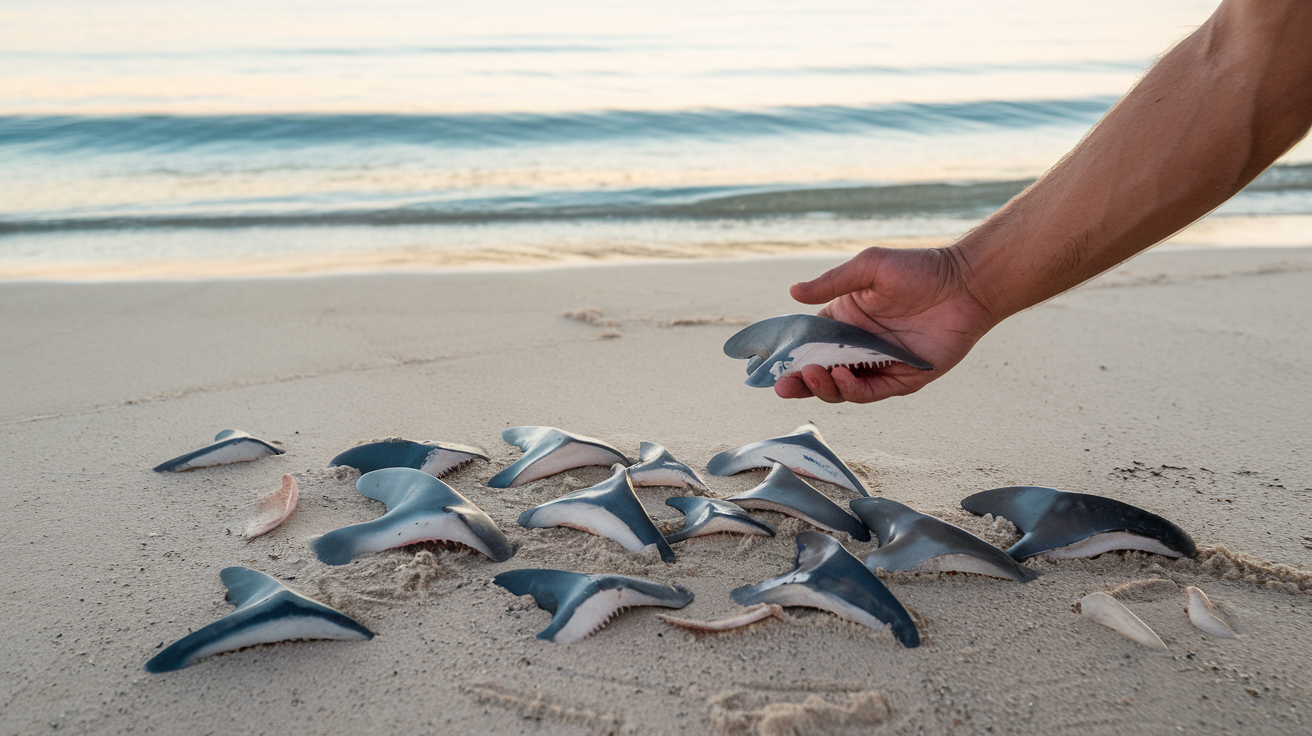
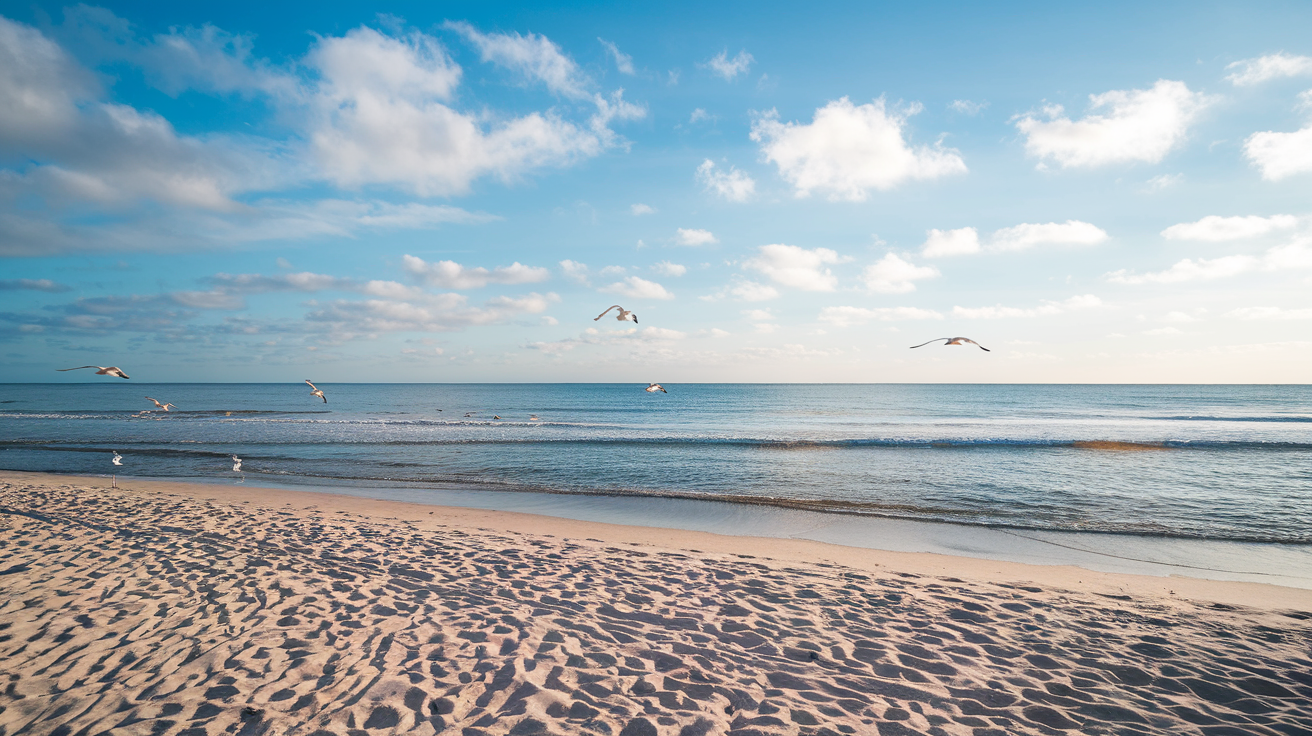
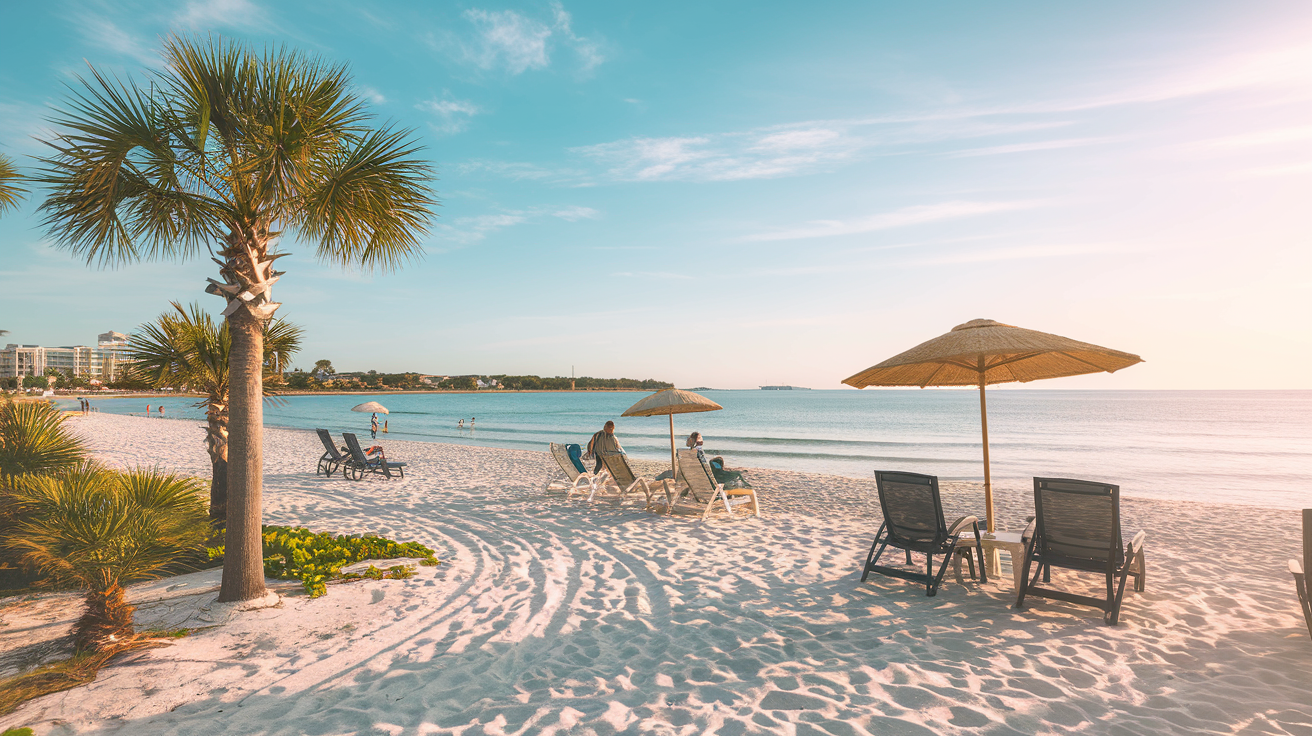
If you love beachcombing and hunting for fossils, you might wonder if Myrtle Beach is a good place to find shark teeth. Many travelers enjoy searching for these small treasures along the Atlantic coast. Myrtle Beach, known for its wide sandy shores and family-friendly vibe, offers some opportunities for shark tooth hunting.
In this article, we’ll explore whether Myrtle Beach is a good spot for finding shark teeth. We’ll cover the best locations, tips for searching, and what you need to know before you go. Plus, we’ll share some fun local attractions to enjoy while you’re there.
Why People Search for Shark Teeth in Myrtle Beach
Shark teeth are popular fossils for collectors and beach lovers. They are often found along coastal areas where ancient seas once existed. Myrtle Beach sits on the Atlantic coast of South Carolina, where sediment and fossil deposits can sometimes reveal shark teeth.
People visit Myrtle Beach not only for its beaches but also to try their luck at finding these small fossils. The thrill of spotting a shark tooth among shells and sand adds an exciting twist to a beach day.
Shark teeth can be found in the sand and shallow waters.
They vary in size, shape, and color depending on the species and age.
Finding a tooth is like holding a piece of prehistoric history.
While Myrtle Beach is not as famous as other fossil sites, it still offers chances to find shark teeth, especially if you know where and when to look.
Best Places in Myrtle Beach to Find Shark Teeth
Not all parts of Myrtle Beach are equal when it comes to shark tooth hunting. Some spots have more fossil deposits or better conditions for finding teeth. Here are some of the best places to try your luck:
North Myrtle Beach: The northern beaches near Cherry Grove and Windy Hill are less crowded and have good shelling spots. Look near the waterline after storms.
Murrells Inlet: Just south of Myrtle Beach, this area is known for good fossil hunting. The inlet’s tidal action can uncover shark teeth along the shore.
Huntington Beach State Park: This park has protected beaches with natural sand movement. It’s a quieter spot to search for fossils.
Along the surf line: Walking the beach early in the morning or after high tide can help you spot teeth washed up by waves.
Remember, patience and a keen eye are key. Shark teeth are small and can blend in with shells and rocks.
When Is the Best Time to Search for Shark Teeth?
The timing of your search can make a big difference. Certain conditions help expose shark teeth and make them easier to find.
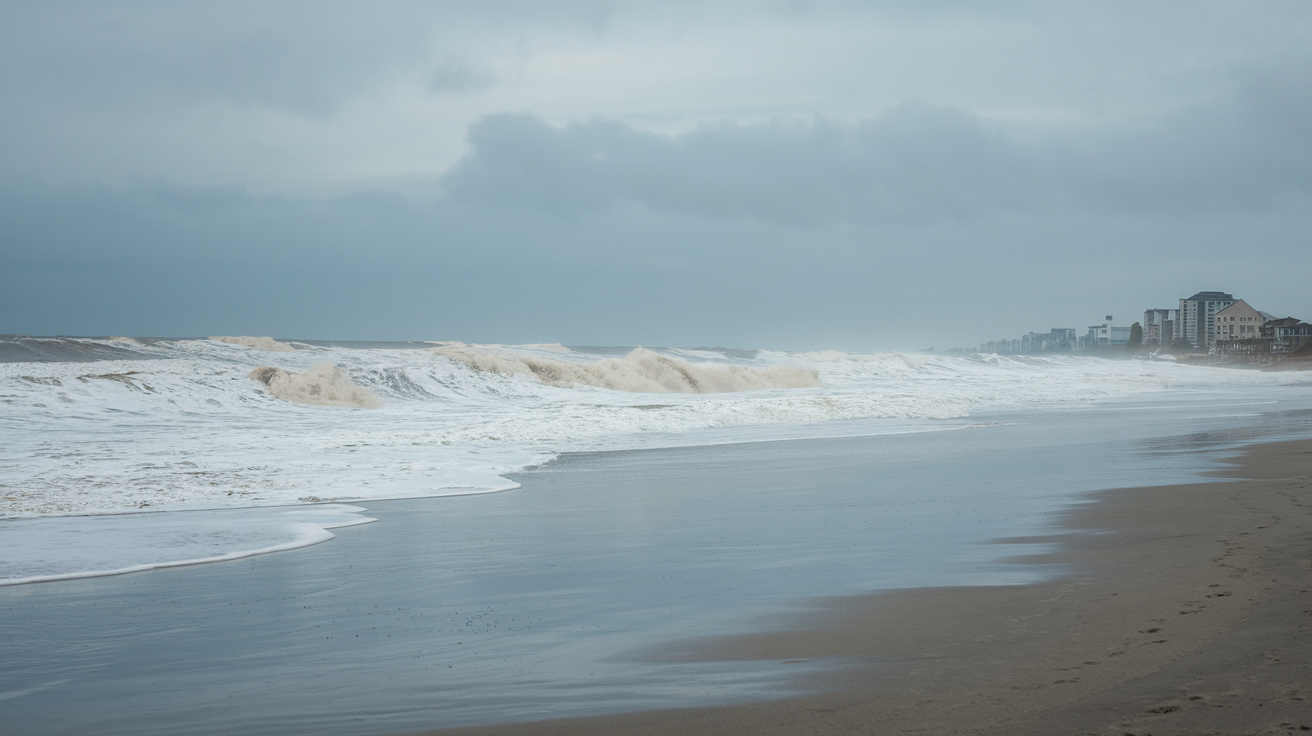
After storms or heavy surf: Strong waves can stir up the sand and bring shark teeth to the surface.
Low tide: More beach area is exposed, giving you access to spots usually underwater.
Early morning: Fewer people on the beach mean less disturbance and better chances to spot teeth.
Fall and winter months: These seasons sometimes have rougher seas that uncover fossils, but dress warmly!
Checking local tide charts and weather forecasts can help you plan your search for the best results.
Tips for Finding Shark Teeth in Myrtle Beach
Finding shark teeth takes some skill and the right approach. Here are some helpful tips to improve your chances:
Use a small hand rake or your fingers: Gently sift through wet sand near the waterline.
Look for dark, shiny, or triangular shapes: Shark teeth often stand out by their color and shape compared to shells.
Wear water shoes: Protect your feet while walking on rocky or shell-covered areas.
Bring a small container or bag: Keep your finds safe and separate from regular shells.
Be patient and take your time: It may take hours to find a tooth, so enjoy the process.
Respect local rules and private property. Some areas may have restrictions on fossil collecting, so check before you dig.
Other Nearby Spots Known for Shark Teeth
If you want to expand your search beyond Myrtle Beach, several nearby locations are famous for shark teeth and fossils.
Fossil Beach, Edisto Island, SC: About two hours south, this beach is known for many shark teeth and other fossils.
Venice, Florida: Known as the "Shark Tooth Capital of the World," Venice offers abundant shark teeth on its beaches.
Beaufort, SC: This coastal town has spots where fossil hunting is popular, including shark teeth.
Visiting these places can add variety to your fossil hunting adventures if you have more time to explore.
What to Do in Myrtle Beach Besides Shark Tooth Hunting
Myrtle Beach is a top vacation spot with plenty to do beyond fossil hunting. Here are some popular activities and attractions:
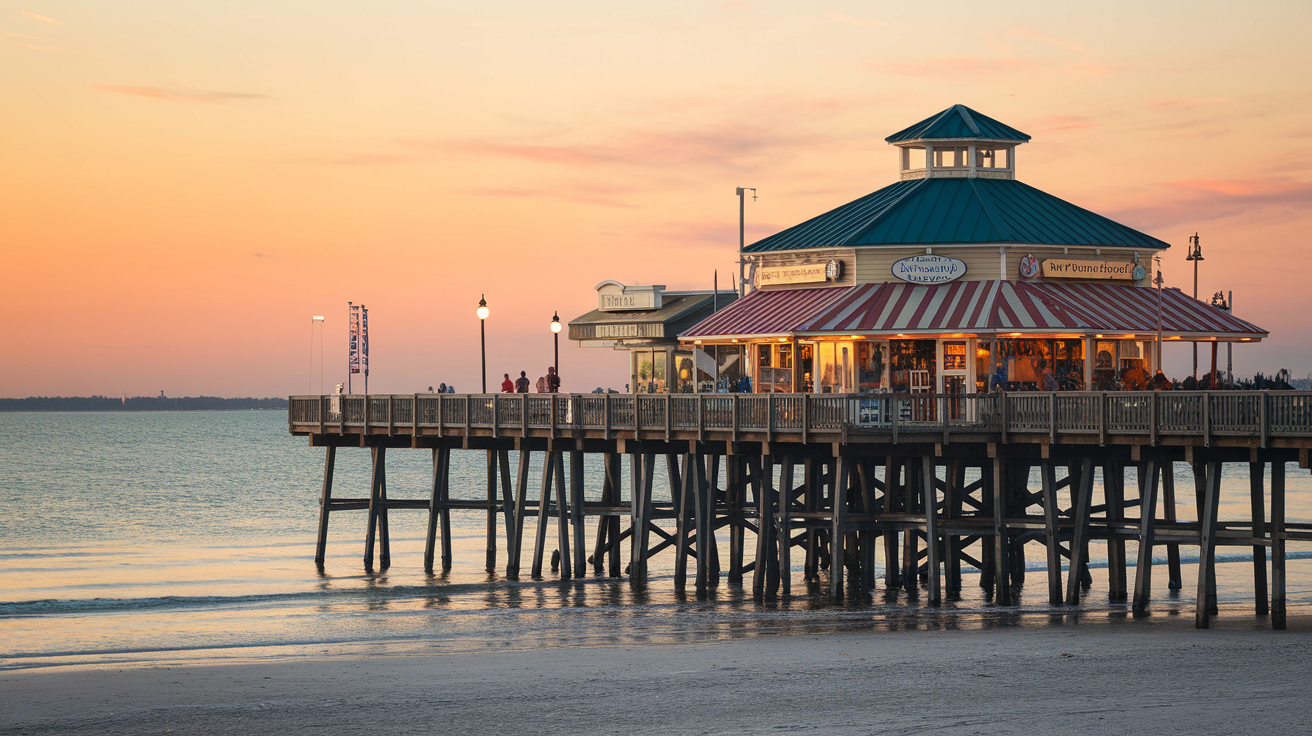
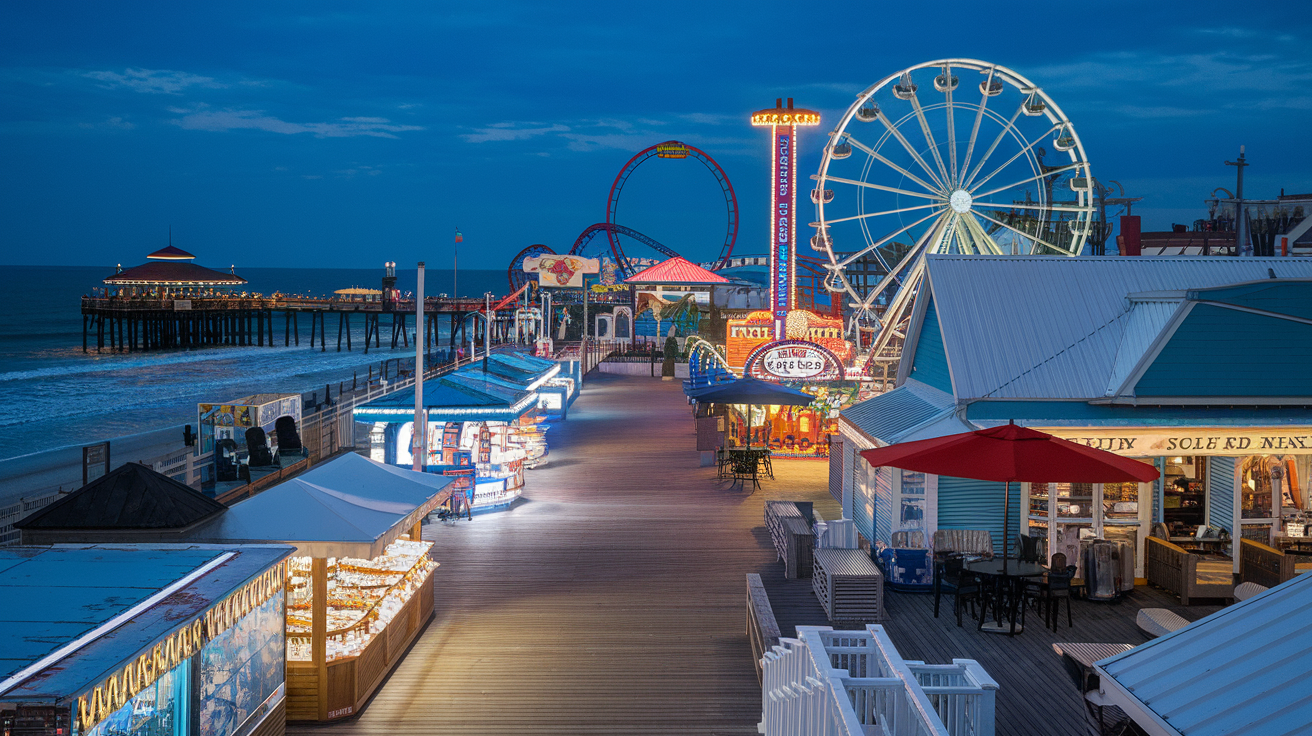
Myrtle Beach Boardwalk: A lively area with shops, restaurants, and entertainment.
Broadway at the Beach: A large shopping and dining complex with attractions like an aquarium and mini-golf.
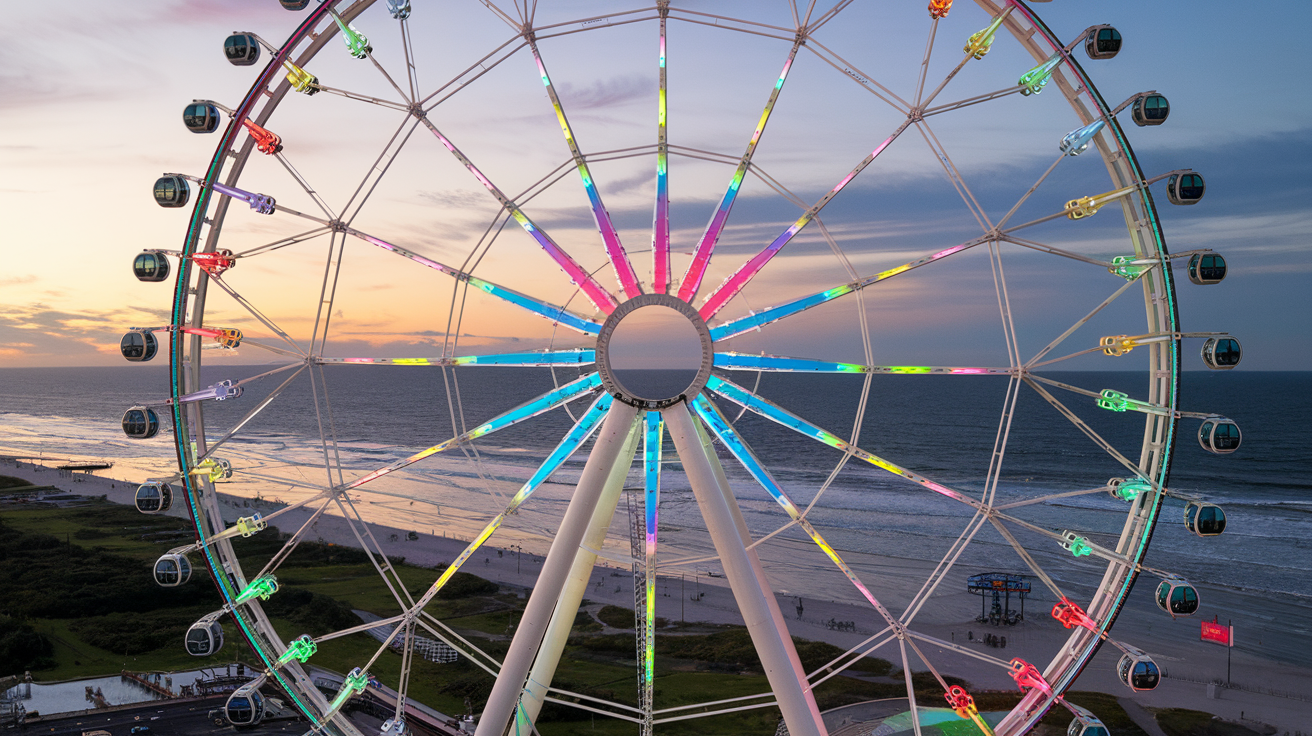
Family Kingdom Amusement Park: Classic rides and fun for all ages right on the beach.
Brookgreen Gardens: Beautiful gardens and sculptures about 30 minutes south.
Water sports: Try kayaking, paddleboarding, or fishing in the area.
These activities make Myrtle Beach a great place for families and travelers who want a mix of beach fun and adventure.
Where to Stay in Myrtle Beach for Easy Access to Shark Teeth
Choosing the right place to stay can enhance your shark tooth hunting experience. Look for hotels or rentals near the beach and popular fossil spots.
Oceanfront hotels: Many offer direct beach access, so you can start searching early.
North Myrtle Beach resorts: Quieter areas with good shelling beaches.
Vacation rentals: Condos or beach houses give you space and kitchen facilities for longer stays.
Popular hotel chains: Brands like Marriott, Hilton, and Holiday Inn have convenient locations near the beach.
Booking early, especially in peak seasons, ensures you get a good spot close to the water.
How to Prepare for a Shark Tooth Hunting Trip in Myrtle Beach
Planning ahead helps you enjoy your fossil hunting trip safely and comfortably.
Pack essentials: Sunscreen, water, hat, and snacks are must-haves for a day on the beach.
Bring tools: Small rake, bucket, or mesh bag for collecting teeth.
Wear appropriate clothing: Comfortable beachwear and water shoes.
Check local regulations: Some areas may limit fossil collecting or require permits.
Know the tides: Use tide charts to plan your search during low tide.
With the right preparation, your shark tooth hunt will be fun and rewarding.
Conclusion
Myrtle Beach can be a good place to find shark teeth if you know where to look and when to go. While it may not be the top shark tooth hunting spot in the U.S., the beach offers chances to discover these fascinating fossils. The northern beaches, Murrells Inlet, and Huntington Beach State Park are some of the best locations to explore.
Remember to search after storms or during low tide, use the right tools, and be patient. Beyond shark tooth hunting, Myrtle Beach has plenty of attractions and activities to enjoy. Whether you’re a fossil enthusiast or just looking for a fun beach day, Myrtle Beach is worth a visit.
FAQs
Can you find large shark teeth in Myrtle Beach?
Most shark teeth found in Myrtle Beach are small to medium-sized. Large teeth are rare but possible. Patience and frequent searching increase your chances.
Is it legal to collect shark teeth on Myrtle Beach?
Collecting shark teeth on public beaches is generally allowed, but some protected areas may have restrictions. Always check local rules before collecting.
What tools help find shark teeth on the beach?
A small hand rake, mesh bag, and water shoes are helpful. Using your fingers to sift through wet sand near the waterline works well too.
Are there guided shark tooth hunting tours in Myrtle Beach?
While Myrtle Beach does not have many guided fossil tours, some local outfitters may offer beachcombing experiences. Check with visitor centers for current options.
When is the best season to find shark teeth in Myrtle Beach?
Fall and winter often bring rougher seas that uncover shark teeth. Searching after storms and during low tide any time of year can also be productive.