How Safe Is Myrtle Beach to Live?
Explore Myrtle Beach safety for residents with crime insights, neighborhood tips, and local living advice for a secure lifestyle.
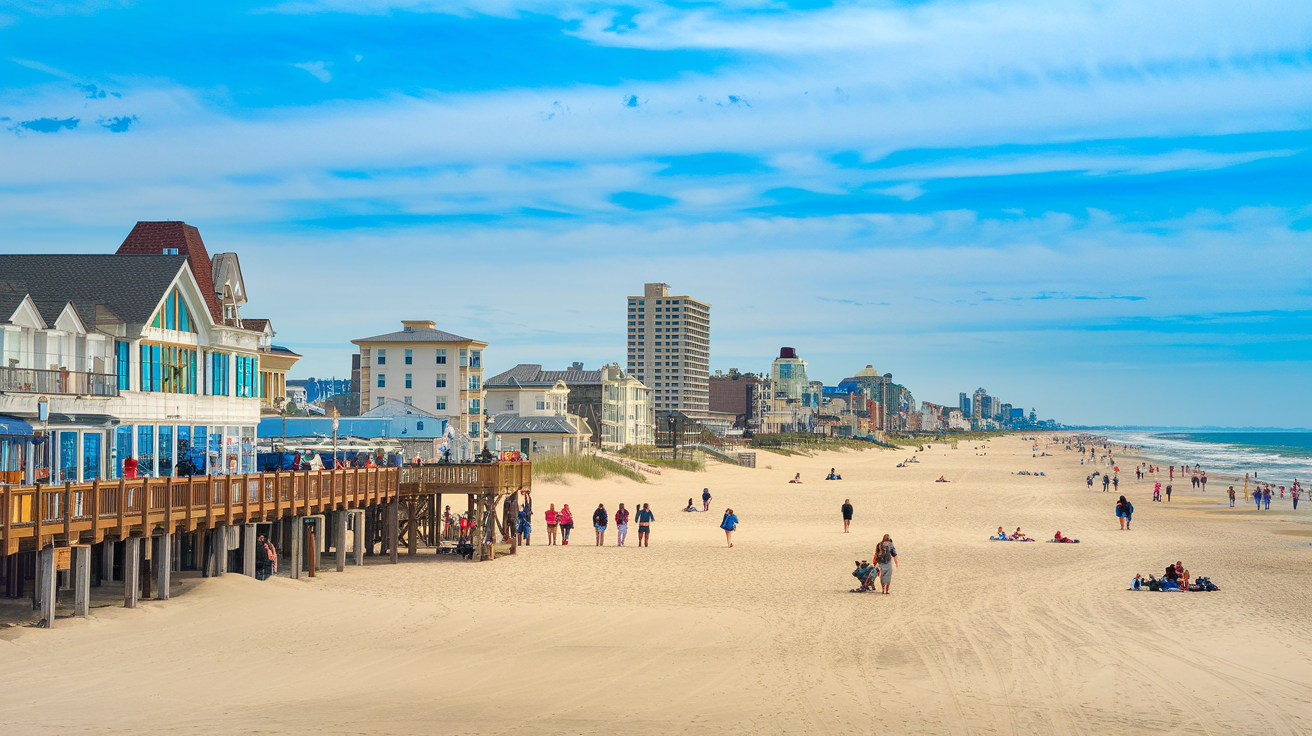
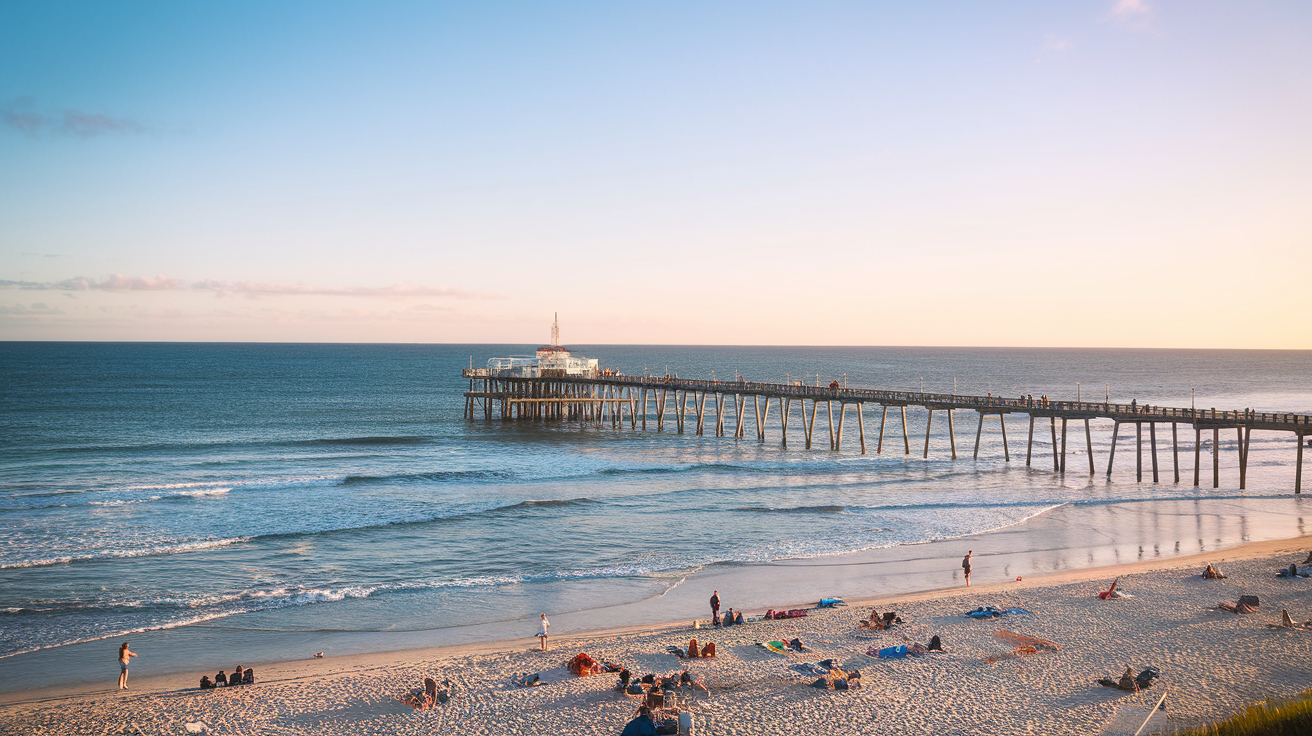
Myrtle Beach is a popular place to live and visit. Many people love its beaches, warm weather, and friendly community. But if you are thinking about moving here, you might wonder, "How safe is Myrtle Beach to live?" I will help you understand the safety of this city. You will learn about crime rates, safe neighborhoods, and tips to live securely.
Living in Myrtle Beach means enjoying a coastal lifestyle with many activities. Safety is important for you and your family. This guide gives you clear facts and advice to make a smart choice. Let’s explore what makes Myrtle Beach safe and where you should be careful.
Understanding Crime Rates in Myrtle Beach
Crime rates are a key factor when deciding to live in any city. Myrtle Beach has a mix of safe and less safe areas. Overall, the city has seen some crime, but many parts remain peaceful and secure.
Here are some facts about crime in Myrtle Beach:
Property crimes like theft and burglary are more common than violent crimes.
Violent crimes such as assault and robbery happen but are less frequent compared to larger cities.
Crime rates tend to rise during tourist seasons when the city is busy.
Local police work actively to reduce crime and keep neighborhoods safe.
When you compare Myrtle Beach to other cities of similar size, its crime rate is moderate. It is not the safest city in South Carolina, but it is not the most dangerous either. Knowing this helps you stay alert and choose the right neighborhood.
Safe Neighborhoods to Consider in Myrtle Beach
Choosing the right neighborhood can make a big difference in your safety and comfort. Myrtle Beach has several areas known for being safe and family-friendly.
Here are some neighborhoods to consider:
Carolina Forest: A growing community with good schools and low crime. It is popular with families and offers parks and shopping.
Forestbrook: Known for quiet streets and well-kept homes. It has a strong neighborhood watch and friendly residents.
Grande Dunes: A luxury area with gated communities and private security. It offers waterfront living and golf courses.
Surfside Beach: Just south of Myrtle Beach, this town is smaller and has a reputation for safety and calm living.
When looking for a home, visit neighborhoods at different times of day. Talk to locals and check online crime maps for the latest information. This will help you find a place where you feel safe and happy.
How Local Police and Community Work Together
The Myrtle Beach Police Department plays a big role in keeping the city safe. They focus on crime prevention and community support.
Here are some ways the police and community work together:
Neighborhood Watch Programs: Many neighborhoods have groups where residents watch out for each other and report suspicious activity.
Community Policing: Officers build relationships with residents to understand local concerns and respond quickly.
Public Safety Campaigns: Police hold events to educate people on safety tips and crime prevention.
Emergency Services: Myrtle Beach has good emergency response times and resources to handle incidents.
Being part of your community and knowing your neighbors can also improve your safety. It creates a network of support that helps everyone stay alert and secure.
Tips for Living Safely in Myrtle Beach
Living safely in Myrtle Beach means taking some simple steps every day. Here are practical tips to protect yourself and your family:
Secure Your Home: Use good locks, alarm systems, and outdoor lighting to deter burglars.
Be Aware of Your Surroundings: Stay alert when walking or driving, especially at night or in unfamiliar areas.
Use Common Sense: Avoid leaving valuables in your car and do not share your travel plans publicly.
Get to Know Your Neighbors: Friendly neighbors can watch your home when you are away and alert you to any issues.
Stay Informed: Follow local news and police updates to know about any safety concerns.
Use Public Services: Report suspicious activity and use community resources like neighborhood watch groups.
These steps help you enjoy Myrtle Beach without worry. Safety is a shared effort between you, your neighbors, and local authorities.
Living in Myrtle Beach: Balancing Safety and Lifestyle
Myrtle Beach offers a unique lifestyle with beaches, golf courses, and a lively downtown. Many people move here for the relaxed atmosphere and outdoor activities.
While safety is important, it should not stop you from enjoying what the city offers. Here are some ways to balance safety with lifestyle:
Choose Activities Wisely: Visit popular tourist spots during the day when they are busy and safe.
Use Trusted Transportation: Drive or use reputable ride services, especially at night.
Explore Local Events: Attend community festivals and markets where there are many people and security.
Stay Close to Amenities: Living near schools, shops, and parks can increase safety and convenience.
By planning your daily routine and being cautious, you can enjoy Myrtle Beach’s charm while staying safe.
How Weather and Environment Affect Safety in Myrtle Beach
Besides crime, natural factors also affect safety. Myrtle Beach has a coastal climate with some weather risks.
Here are environmental safety points to consider:
Hurricanes and Storms: Myrtle Beach is in a hurricane zone. Residents should prepare for storms during hurricane season (June to November).
Flooding: Some low-lying areas may flood during heavy rains. Check flood zones before buying property.
Heat and Sun Safety: Summers can be hot. Use sunscreen and stay hydrated when outdoors.
Wildlife: Coastal areas have wildlife like alligators and snakes. Be cautious near water and natural areas.
Being ready for weather events and respecting nature helps keep you and your home safe year-round.
Cost of Living and Safety: What to Expect
The cost of living in Myrtle Beach is generally lower than many other coastal cities. This makes it attractive for retirees, families, and remote workers.
Here is how cost relates to safety:
More affordable neighborhoods may have higher crime rates, so research is key.
Higher-priced areas like Grande Dunes offer gated security and lower crime.
Renting before buying can help you test a neighborhood’s safety and comfort.
Local taxes and insurance costs may vary depending on safety and flood risk.
Balancing your budget with safety needs will help you find the best place to live in Myrtle Beach.
Schools and Safety for Families in Myrtle Beach
Families often ask about school safety when moving to a new city. Myrtle Beach has several public and private schools with varying safety records.
Consider these points:
Many schools have security measures like controlled access and staff training.
School districts in safer neighborhoods tend to have better reputations.
After-school programs and community centers provide safe places for kids.
Parents can join school safety committees to stay involved and informed.
Visiting schools and talking to other parents can give you a good sense of safety and quality.
Healthcare and Emergency Services in Myrtle Beach
Access to healthcare is important for your safety and well-being. Myrtle Beach has several hospitals and clinics ready to serve residents.
Key points about healthcare and emergency services:
Grand Strand Medical Center: The main hospital with emergency care and specialists.
Myrtle Beach Urgent Care: Several urgent care centers offer quick treatment for minor injuries.
Fire and Rescue: The city has well-trained fire departments and quick response teams.
Police Stations: Multiple precincts cover different parts of the city for faster help.
Knowing where to go in an emergency adds peace of mind when living in Myrtle Beach.
Transportation Safety and Getting Around Myrtle Beach
Getting around safely is part of living well. Myrtle Beach has roads, public transport, and walkable areas.
Here are tips for transportation safety:
Drive Carefully: Watch for tourists who may drive slowly or stop suddenly.
Use Crosswalks: Many busy streets have crosswalks and signals for pedestrians.
Public Transit: The Coast RTA bus system connects neighborhoods and tourist spots.
Biking and Walking: Use bike lanes and stay on sidewalks, especially near the beach.
Plan your trips and stay alert to avoid accidents and stay safe on the road.
Conclusion
Myrtle Beach offers a wonderful place to live with its beaches, warm weather, and friendly people. Like any city, safety varies by neighborhood and time. By learning about crime rates, choosing safe areas, and taking simple precautions, you can enjoy a secure lifestyle here.
Remember to prepare for weather events, stay involved in your community, and use local resources. With the right knowledge and care, Myrtle Beach can be a safe and happy home for you and your family.
FAQs
Is Myrtle Beach safe for families?
Yes, many neighborhoods in Myrtle Beach are safe for families. Areas like Carolina Forest and Forestbrook have good schools and low crime. It’s important to research and visit neighborhoods to find the best fit for your family’s safety and needs.
What are the safest neighborhoods in Myrtle Beach?
Some of the safest neighborhoods include Carolina Forest, Forestbrook, Grande Dunes, and Surfside Beach. These areas have lower crime rates, community watch programs, and good amenities for residents.
How does Myrtle Beach handle emergency services?
Myrtle Beach has well-equipped police, fire, and medical services. The Grand Strand Medical Center provides emergency care, and local police maintain active community programs to ensure quick responses and public safety.
Are there natural risks to consider when living in Myrtle Beach?
Yes, Myrtle Beach is in a hurricane zone and can experience flooding. Residents should prepare for storms and check flood risks before buying property. Heat and local wildlife are also factors to be aware of.
Can I rely on public transportation in Myrtle Beach?
The Coast RTA bus system offers public transportation connecting key areas. While many residents use cars, buses and bike lanes provide safe options for getting around, especially near downtown and tourist spots.