How Long to Sail from Houston to Myrtle Beach
Discover how long it takes to sail from Houston to Myrtle Beach with tips on routes, weather, and planning your coastal voyage.
Introduction
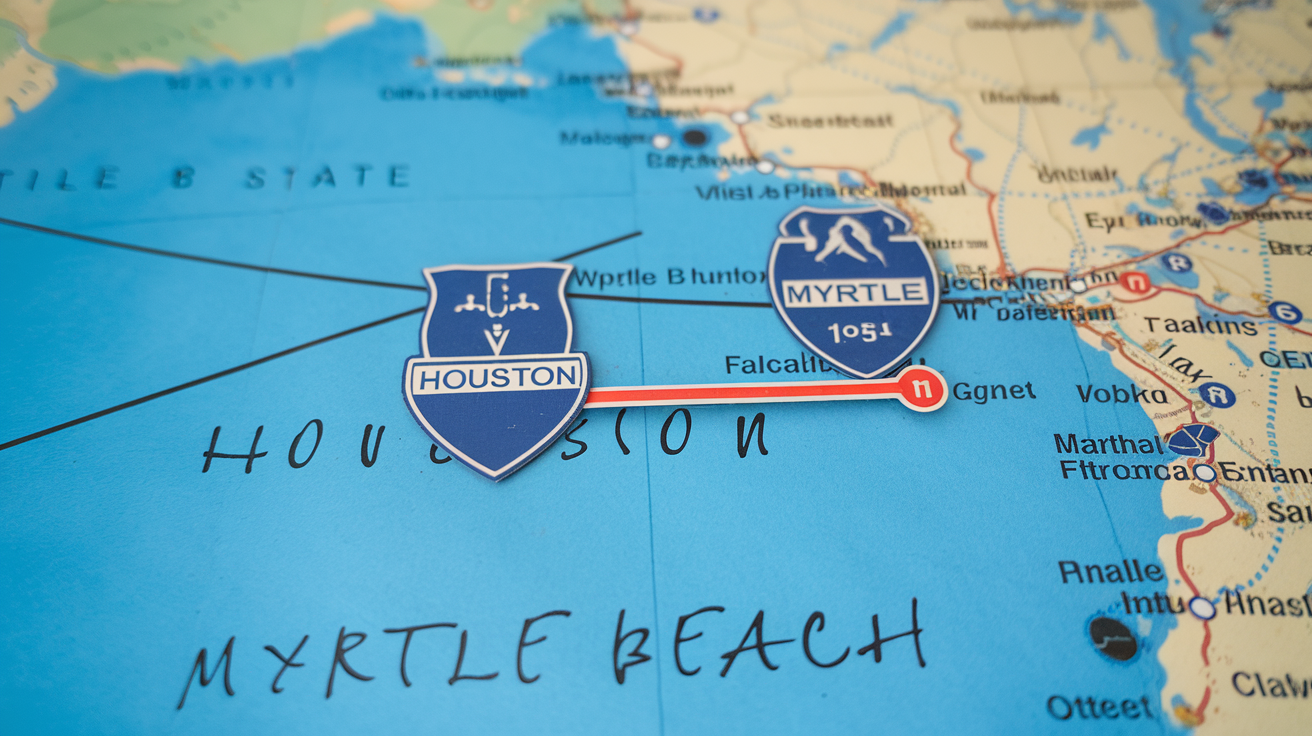
Sailing from Houston, Texas, to Myrtle Beach, South Carolina, is an exciting coastal adventure. Whether you are planning a leisurely cruise or a serious sailing trip, knowing the time it takes and what to expect is key. We will guide you through the journey, including distances, routes, and helpful tips.
In this article, you will learn about the sailing distance, average travel times, weather conditions, and important stops along the way. This will help you plan your trip safely and enjoy the beautiful U.S. coastline.
Understanding the Sailing Distance
The sailing distance between Houston and Myrtle Beach depends on the route you take. The most common path follows the Gulf Coast eastward, then rounds Florida’s peninsula, and heads north along the Atlantic coast.
Here are some key points about the distance:
The direct nautical distance is roughly 1,200 to 1,400 nautical miles, depending on the exact route.
The route includes sailing through the Gulf of Mexico, around the Florida Keys, and up the Atlantic Intracoastal Waterway or open ocean.
Choosing between open water and protected waterways affects the distance and safety.
Typical Sailing Routes from Houston to Myrtle Beach
There are two main routes sailors take for this trip. Each has its own advantages and challenges.
1. Gulf Coast to Atlantic Ocean via Florida Keys
This route takes you along the Gulf Coast, around the Florida Keys, then up the Atlantic coast to Myrtle Beach.
Start by sailing east from Houston along the Texas and Louisiana coasts.
Continue past Mississippi and Alabama shores.
Navigate around the Florida Keys, a popular but challenging area due to reefs and currents.
Head north along Florida’s east coast, then continue up the Atlantic coast to South Carolina.
2. Using the Intracoastal Waterway (ICW)
The ICW is a protected inland water route that runs from Texas to the Atlantic coast. It offers safer and calmer waters but adds distance.
From Houston, enter the ICW near Galveston Bay.
Follow the ICW through Louisiana, Mississippi, Alabama, and Florida’s Gulf Coast.
Pass through the Okeechobee Waterway to cross Florida’s peninsula.
Continue north on the Atlantic ICW to Myrtle Beach.
How Long Does the Trip Take?
The total sailing time depends on your boat’s speed, weather, and stops. Here are typical estimates:
Average cruising sailboats travel 5 to 7 knots (nautical miles per hour).
At 6 knots, covering 1,300 nautical miles would take about 9 days of continuous sailing.
Most sailors plan for 12 to 15 days to allow for rest, weather delays, and sightseeing.
Using the ICW usually adds distance and time but offers safer conditions.
Planning your daily sailing hours is important. Many sailors prefer 6 to 8 hours of sailing per day to avoid fatigue.
Weather and Seasonal Considerations
Weather plays a big role in sailing time and safety. Here’s what to keep in mind:
Hurricane season runs from June to November. Avoid sailing during this time if possible.
Spring and fall offer milder weather and calmer seas.
Check daily weather forecasts for wind, storms, and currents.
Strong Gulf winds or Atlantic storms can slow your progress or force stops.
Important Stops and Marinas Along the Way
Planning stops is essential for rest, refueling, and repairs. Here are some key stops:
Galveston, TX: Close to Houston, with full marina services.
Port Arthur, TX: Good for fuel and supplies.
Mobile, AL: Large marina and city amenities.
Fort Myers, FL: Popular stop before crossing Florida.
West Palm Beach, FL: Major marina and resupply point.
Charleston, SC: Historic city with excellent marina facilities.
Choosing the Right Boat for the Trip
Your boat choice affects speed, comfort, and safety. Consider these points:
Sailboats with good offshore capability are best for open water sections.
Powerboats can cover distance faster but consume more fuel.
Smaller boats may need more stops and careful weather planning.
Ensure your boat has reliable navigation and communication gear.
Safety Tips for the Voyage
Safety is the top priority on long coastal trips. Follow these tips:
File a float plan with someone onshore.
Carry life jackets and emergency signaling devices.
Monitor weather reports regularly.
Have backup navigation tools like paper charts and GPS.
Know the locations of marinas and emergency harbors.
Planning Your Sailing Schedule
Good planning makes the trip smoother. Here’s how to organize your schedule:
Plan daily legs of 40 to 60 nautical miles, depending on conditions.
Schedule rest days in larger marinas for supplies and repairs.
Allow extra days for weather delays.
Check tides and currents, especially near Florida Keys and ICW sections.
Conclusion
Sailing from Houston to Myrtle Beach is a rewarding journey along the U.S. coast. The trip covers about 1,200 to 1,400 nautical miles and typically takes 12 to 15 days depending on your pace and stops.
Choosing your route, boat, and timing carefully will help you enjoy the trip safely. Remember to watch the weather, plan your stops, and prepare your boat well. This adventure offers beautiful coastal views and many great ports to explore along the way.
FAQs
How many nautical miles is it from Houston to Myrtle Beach?
The sailing distance ranges from about 1,200 to 1,400 nautical miles, depending on the route you take along the Gulf and Atlantic coasts.
What is the fastest route to sail from Houston to Myrtle Beach?
The fastest route is usually the open water path around the Florida Keys and up the Atlantic coast, but it requires good offshore sailing skills and favorable weather.
Can I sail the entire trip using the Intracoastal Waterway?
Yes, you can use the Intracoastal Waterway for most of the trip. It offers protected waters but adds distance and time compared to open water routes.
When is the best time of year to sail this route?
Spring and fall are the best seasons to avoid hurricanes and enjoy mild weather. Avoid sailing during hurricane season from June to November.
What are some key marinas to stop at along the way?
Important stops include Galveston, Port Arthur, Mobile, Fort Myers, West Palm Beach, and Charleston, all offering good marina facilities and services.