Living in Myrtle Beach: Lifestyle, Housing & Community Guide
Explore living in Myrtle Beach with insights on housing, lifestyle, weather, and local amenities for a confident move.
Introduction
Thinking about moving to Myrtle Beach? This coastal city offers a unique blend of beach life, affordable living, and plenty of activities. Whether you want a quiet retirement spot or a place with vibrant energy, Myrtle Beach has something for you.
In this article, we’ll explore what it’s like to live in Myrtle Beach. From housing options and weather to local culture and daily life, you’ll get a clear picture to help you decide if this city fits your lifestyle.
Overview of Myrtle Beach
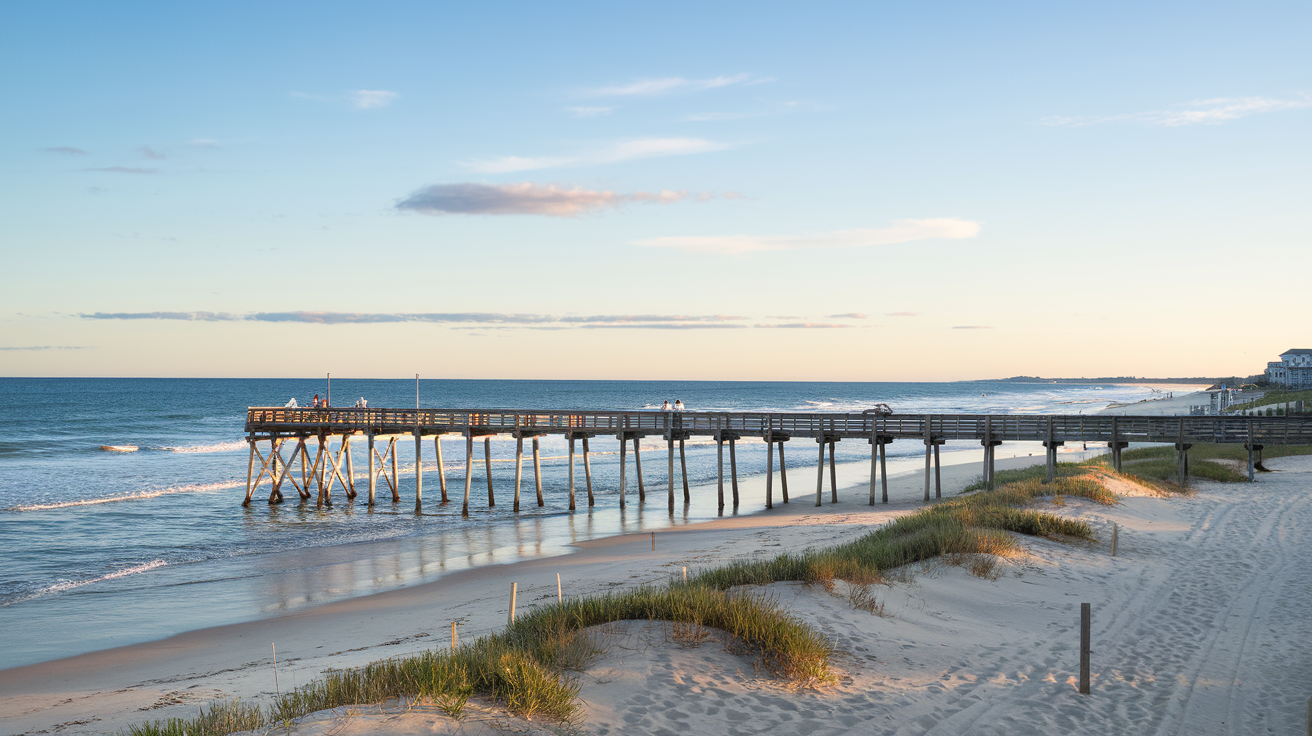
Myrtle Beach is a popular city on South Carolina’s Atlantic coast. It’s known for its long sandy beaches, golf courses, and tourist attractions. The city attracts millions of visitors each year, but it also has a growing community of full-time residents.
The population is diverse, with families, retirees, and young professionals. The city balances a relaxed beach vibe with enough urban amenities to keep life convenient and fun.
Cost of Living in Myrtle Beach
One of the biggest reasons people choose Myrtle Beach is its affordable cost of living. Compared to many coastal cities, housing and daily expenses are reasonable.
Housing: You can find apartments, condos, and single-family homes at prices below the national average.
Utilities and groceries: These costs are close to or slightly below the U.S. average.
Transportation: Gas prices and public transit costs are affordable, but many residents rely on cars.
Overall, your money goes further here, especially if you want to enjoy beach living without a big budget.
Housing Options in Myrtle Beach
Myrtle Beach offers a variety of housing styles to fit different needs and budgets. Whether you want a beachfront condo or a quiet neighborhood home, you have choices.
Condos and apartments: Popular near the beach and downtown areas. Many have amenities like pools and gyms.
Single-family homes: Found in suburban neighborhoods with yards, good for families and retirees.
Retirement communities: Several active adult communities offer social activities and easy access to healthcare.
Prices vary widely. Beachfront properties cost more, but inland areas offer affordable options with short drives to the coast.
Weather and Climate
Myrtle Beach has a humid subtropical climate. This means mild winters and hot, humid summers. The weather is a big draw for many residents.
Summer: Temperatures often reach the high 80s to low 90s (°F), with high humidity.
Winter: Winters are mild, with average lows in the 40s and highs in the 60s.
Rain and storms: The area gets rain year-round, with hurricane season from June to November.
Many people enjoy the warm weather and beach-friendly climate most of the year.
Job Market and Economy
The economy in Myrtle Beach is largely driven by tourism. Many jobs are in hospitality, retail, and service industries.
Tourism: Hotels, restaurants, and entertainment venues provide many jobs.
Healthcare: Growing healthcare facilities offer jobs in medical and support roles.
Education and retail: Schools and stores also employ many locals.
For professionals, there are fewer corporate or tech jobs, so some residents commute or work remotely.
Education and Schools
Families moving to Myrtle Beach will find a range of public and private schools. The Horry County School District serves the area.
Public schools: Several elementary, middle, and high schools with varied ratings.
Private schools: Options include religious and independent schools.
Higher education: Coastal Carolina University is located nearby, offering college programs and community events.
School quality varies, so researching specific schools is important if you have children.
Healthcare Facilities
Myrtle Beach has good healthcare access for a city its size. Several hospitals and clinics serve residents and visitors.
Myrtle Beach Hospital and Grand Strand Medical Center are major hospitals nearby.
Specialty clinics and urgent care centers are available throughout the city.
Many doctors and dentists serve the community, including specialists.
Healthcare is convenient, especially for retirees and families.
Transportation and Getting Around
Most residents in Myrtle Beach rely on cars to get around. Public transportation options are limited but improving.
Roads: The city has well-maintained roads and highways connecting to nearby towns.
Bus service: The Coast RTA offers bus routes around the city and to nearby areas.
Airport: Myrtle Beach International Airport provides flights to major U.S. cities.
Traffic can increase during tourist seasons, so plan accordingly if you commute or travel often.
Local Amenities and Lifestyle
Myrtle Beach offers a mix of outdoor activities, shopping, dining, and entertainment. The lifestyle is relaxed but active.
Beaches: Miles of sandy beaches for swimming, sunbathing, and water sports.
Golf: Known as a golf destination with over 100 courses nearby.
Shopping: From outlet malls to local boutiques and markets.
Dining: Fresh seafood and Southern cuisine are local favorites.
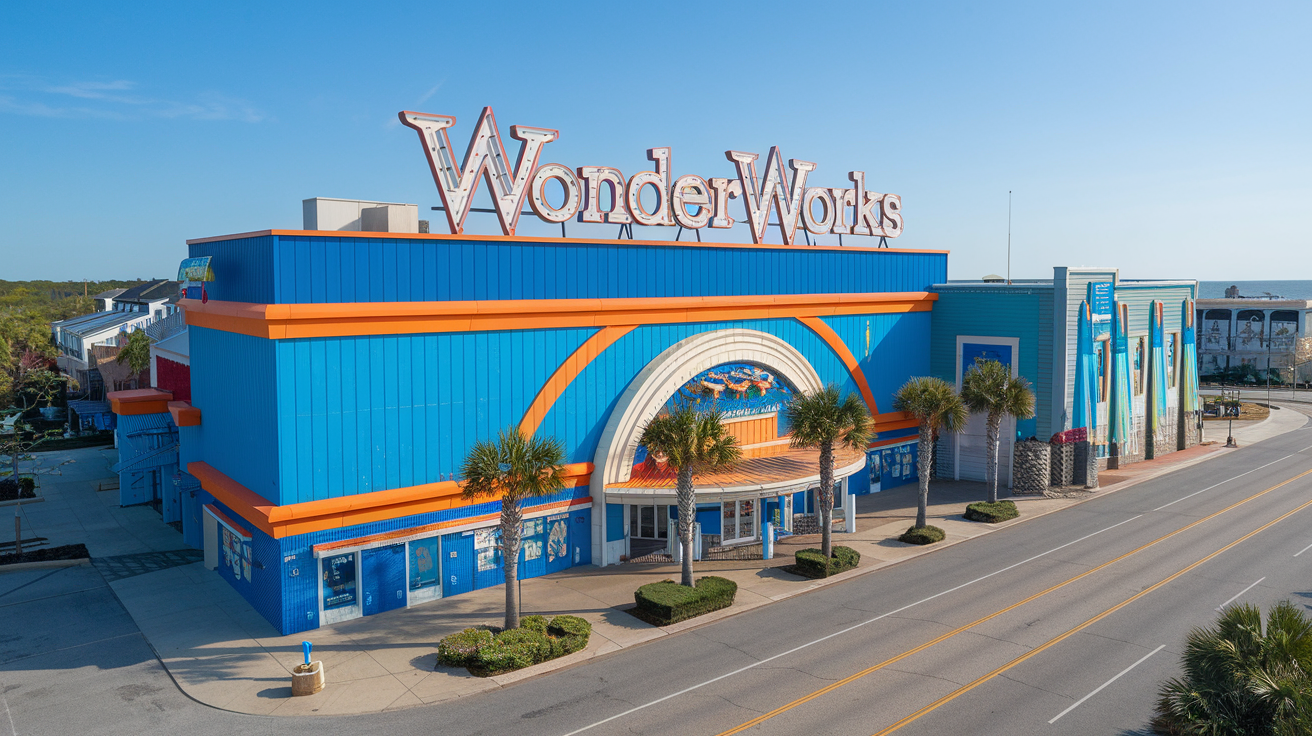
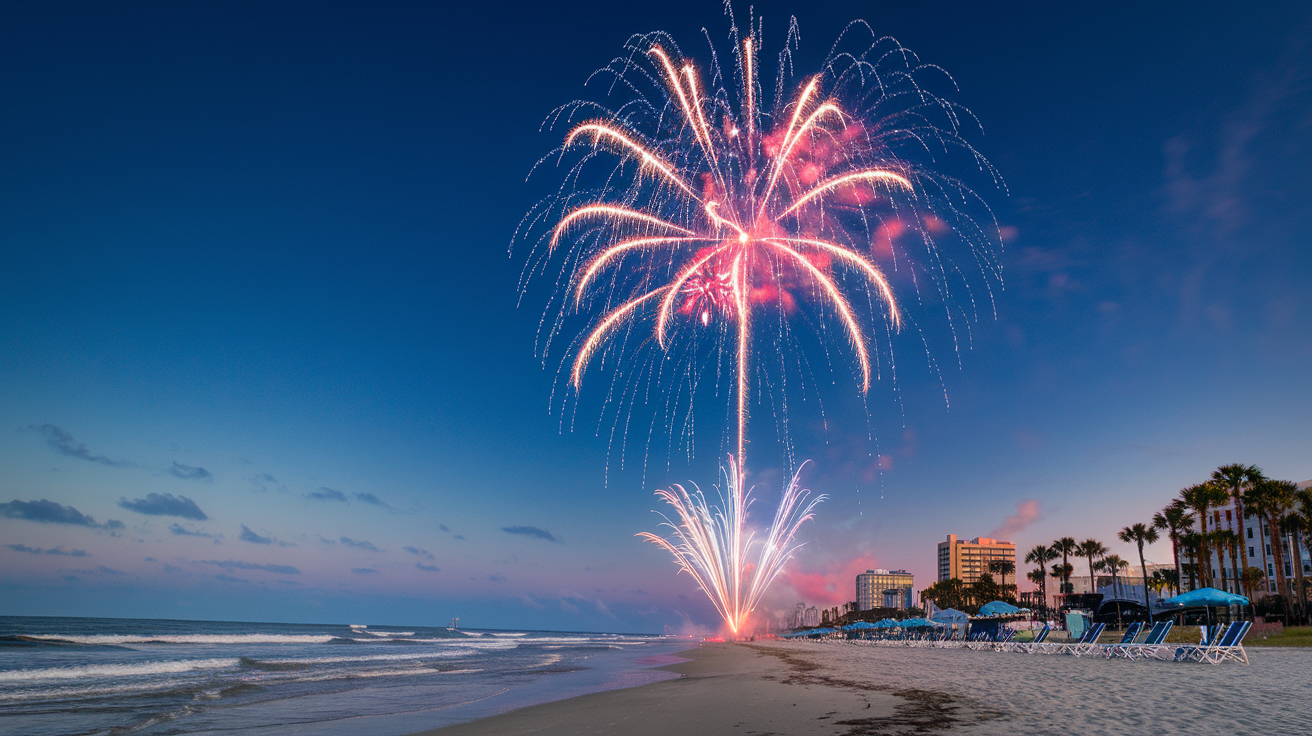
Entertainment: Live music, theaters, festivals, and amusement parks.
The city hosts events year-round, making it easy to meet people and enjoy community life.
Safety and Community
Safety is an important factor for anyone moving to a new city. Myrtle Beach has neighborhoods with varying safety levels.
Some areas near the beach and downtown have higher crime rates, especially property crimes.
Suburban neighborhoods tend to be safer and family-friendly.
Community groups and neighborhood watches are active in many parts of the city.
Visiting and researching specific neighborhoods can help you find a safe and welcoming place to live.
Things to Do and Explore
Living in Myrtle Beach means you have plenty of local attractions to enjoy.
Broadway at the Beach: A large shopping and entertainment complex with restaurants, shops, and nightlife.
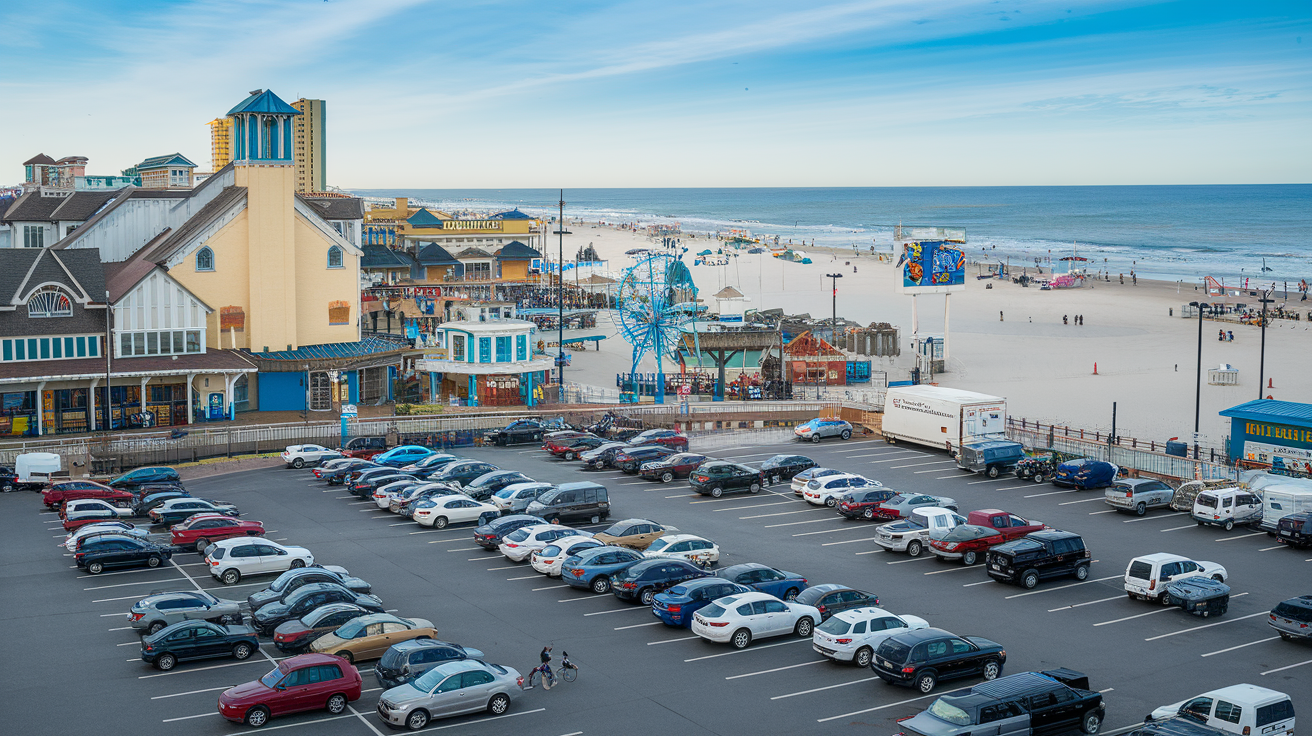
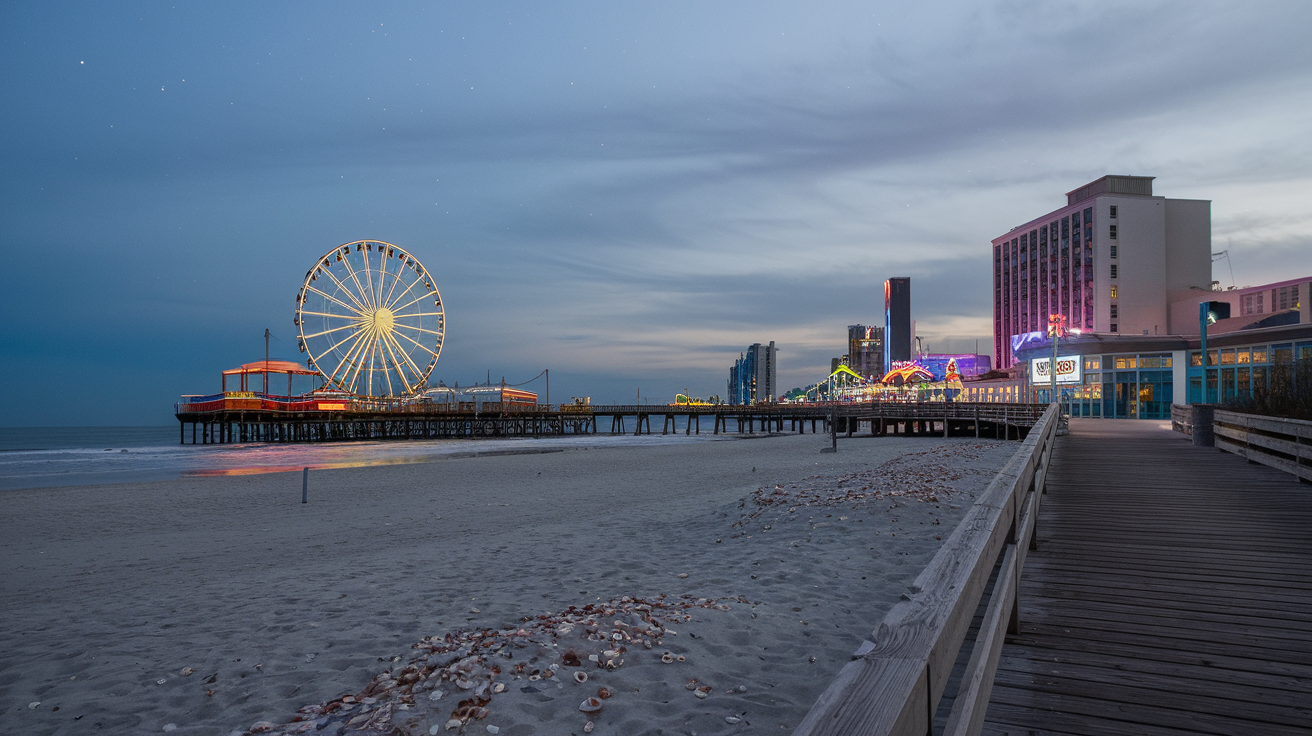
Myrtle Beach Boardwalk: A lively oceanfront promenade with shops, arcades, and festivals.
Nature parks: Huntington Beach State Park and Myrtle Beach State Park offer hiking and wildlife viewing.
Water activities: Boating, fishing, and kayaking are popular on the coast and nearby rivers.
These options make it easy to stay active and entertained year-round.
Pros and Cons of Living in Myrtle Beach
Before making a decision, it helps to weigh the advantages and challenges of living here.
Pros: Affordable housing, warm climate, beach access, relaxed lifestyle, growing amenities.
Cons: Seasonal tourist crowds, limited high-paying jobs, hurricane risk, some safety concerns.
Many people find the positives outweigh the negatives, especially if you love coastal living.
Tips for Moving to Myrtle Beach
If you decide to move, here are some tips to make your transition smoother.
Visit different neighborhoods to find the right fit for your lifestyle and budget.
Consider renting before buying to get a feel for the area.
Plan for hurricane season by learning local emergency procedures.
Connect with local groups or social clubs to meet people and build community.
Check job opportunities and commute times if you work locally.
Conclusion
Myrtle Beach offers a unique coastal lifestyle with affordable living and plenty of activities. It’s a great choice if you want to enjoy the beach, golf, and a warm climate.
While there are some challenges like seasonal crowds and limited job options, many residents love the relaxed pace and community feel. With the right planning, Myrtle Beach can be a wonderful place to call home.
FAQ 1: Is Myrtle Beach a good place to retire?
Yes, Myrtle Beach is popular with retirees due to its warm climate, affordable housing, and active adult communities. It offers many recreational activities and good healthcare facilities, making it a comfortable retirement spot.
FAQ 2: What is the cost of living like in Myrtle Beach?
The cost of living in Myrtle Beach is generally lower than the national average. Housing is affordable, and everyday expenses like groceries and utilities are reasonable, making it budget-friendly for many residents.
FAQ 3: How is the job market in Myrtle Beach?
The job market is mainly driven by tourism, hospitality, and healthcare. While there are many service jobs, corporate and tech opportunities are limited. Remote work is common among professionals living here.
FAQ 4: What are the best neighborhoods to live in Myrtle Beach?
Popular neighborhoods include Carolina Forest for families, Market Common for urban living, and Surfside Beach for quieter coastal life. Each offers different amenities and safety levels, so visiting is recommended.
FAQ 5: How is the weather throughout the year?
Myrtle Beach has mild winters and hot, humid summers. It’s ideal for beach lovers who enjoy warm weather most of the year. However, hurricane season runs from June to November, so preparedness is important.