How Far Is It to Drive to Myrtle Beach? Distances & Tips
Discover driving distances to Myrtle Beach from major U.S. cities, travel tips, and the best routes for a smooth road trip experience.
Planning a trip to Myrtle Beach? Knowing the driving distance can help you prepare better. Whether you’re coming from nearby states or farther away, I’ll guide you through the most common routes and travel times. This way, you can decide if driving fits your plans or if another travel option suits you better.
In this article, we’ll cover driving distances from popular cities, tips for a comfortable road trip, and what to expect on the way. You’ll also find advice on where to stop and how to make your drive to Myrtle Beach enjoyable and stress-free.
Driving Distances to Myrtle Beach from Major U.S. Cities
Myrtle Beach is a popular destination on the South Carolina coast. It’s accessible by car from many parts of the East Coast and beyond. Below are driving distances and estimated times from key cities to help you plan your trip.
From Atlanta, GA: About 330 miles, roughly 5.5 to 6 hours via I-85 N and I-95 N.
From Charlotte, NC: Around 210 miles, about 3.5 to 4 hours via I-77 S and US-501 S.
From Washington, D.C.: Approximately 430 miles, around 7.5 to 8 hours via I-95 S.
From New York City, NY: About 650 miles, roughly 10.5 to 11 hours via I-95 S.
From Miami, FL: Nearly 700 miles, about 11 to 12 hours via I-95 N.
From Raleigh, NC: Around 180 miles, about 3.5 hours via US-64 E and US-17 S.
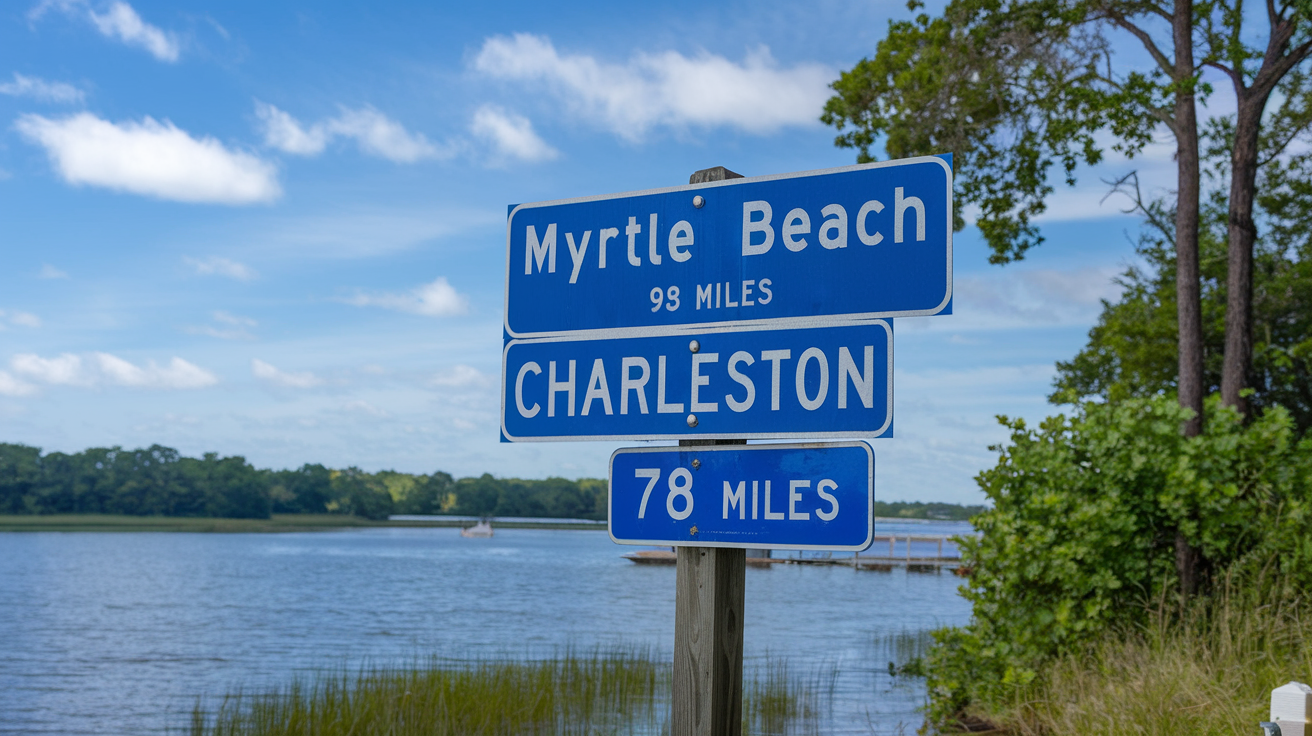
From Charleston, SC: About 95 miles, roughly 2 hours via US-17 N.
These times can vary depending on traffic, weather, and exact starting points. Myrtle Beach is well connected by highways, making it easy to reach by car from many places.
Best Routes to Drive to Myrtle Beach
Choosing the best route depends on your starting point and travel preferences. Here are some common routes and tips for each:
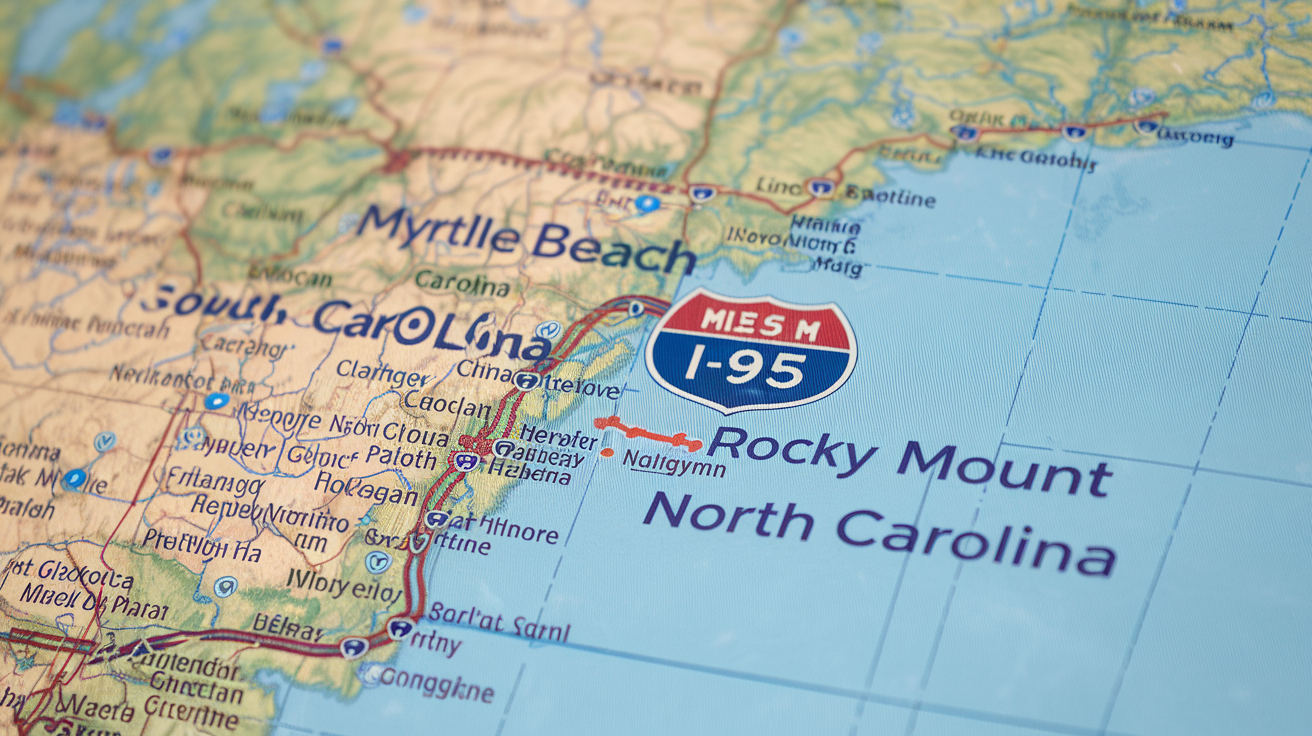
From the North (New York, Washington, D.C.): Take I-95 South. It’s the most direct highway along the East Coast. Watch for traffic near major cities and plan breaks in places like Richmond, VA, or Fayetteville, NC.
From Charlotte, NC: Use I-77 South to US-501 South. This route is scenic and less congested than I-95. You’ll pass through small towns and rural areas, which can be nice for quick stops.
From Atlanta, GA: Head northeast on I-85, then connect to I-95 North near Petersburg, VA. This route is straightforward and mostly highway driving.
From Charleston, SC: US-17 North is the main road. It follows the coast and offers beautiful views and several beach towns to explore along the way.
Using a GPS or map app like Google Maps or Waze can help you avoid traffic and find the fastest route on your travel day.
Tips for a Comfortable Drive to Myrtle Beach
Driving long distances can be tiring. Here are some tips to make your trip smoother and more enjoyable:
Plan your stops: Take breaks every 2-3 hours to stretch, eat, and rest. Look for rest areas, parks, or local diners.
Check your vehicle: Before you leave, inspect your car’s tires, oil, brakes, and fuel. A well-maintained car reduces the chance of breakdowns.
Pack essentials: Bring water, snacks, a phone charger, and a first aid kit. Also, have a physical map as backup in case of poor signal.
Travel during off-peak hours: Avoid rush hours near big cities to save time and reduce stress.
Use cruise control: On highways, cruise control helps maintain steady speed and can reduce fatigue.
Stay entertained: Prepare playlists, podcasts, or audiobooks to keep you alert and entertained.
Where to Stop Along the Way
Depending on your route, there are many interesting places to take a break or explore briefly. Here are some good stops:
Richmond, VA: Historic sites and good food options if you’re coming from the north.
Fayetteville, NC: Convenient rest stops and local eateries.
Florence, SC: A good halfway point with restaurants and gas stations.
Georgetown, SC: Near Myrtle Beach, this charming town offers riverfront parks and historic sites.
Conway, SC: Just west of Myrtle Beach, known for its quaint downtown and riverwalk.
Stopping in these towns can break up your drive and add some local flavor to your trip.
Driving Conditions and Weather to Consider
Myrtle Beach is in a coastal area, so weather can affect your drive. Here’s what to keep in mind:
Summer: Expect heavy traffic on weekends and holidays. Afternoon thunderstorms are common, so plan accordingly.
Fall: Usually mild and less crowded. Watch for hurricane season impacts from August to November.
Winter: Mild temperatures but occasional icy patches inland. Snow is rare near the coast.
Spring: Pleasant weather and blooming landscapes. Traffic starts to pick up as the tourist season begins.
Check weather forecasts before you leave and be ready for sudden changes, especially if you drive through mountainous or inland areas.
Parking and Getting Around Myrtle Beach by Car
Once you arrive, having a car is helpful for exploring the area. Here’s what you need to know about parking and driving in Myrtle Beach:
Beach parking: Many public beach access points have parking lots. Some charge a small fee, especially during peak season.
Downtown Myrtle Beach: Parking garages and street parking are available. Look for free or metered spots depending on the area.
Resort parking: Most hotels and resorts offer free parking for guests.
Traffic: Can get busy during summer weekends, so plan extra time for travel within the city.
Alternative transport: The Myrtle Beach area has trolley services and bike rentals if you want to avoid driving in busy spots.
Alternative Travel Options to Myrtle Beach
If driving seems too long or tiring, consider these options:
Flying: Myrtle Beach International Airport (MYR) offers flights from many U.S. cities. Renting a car at the airport is easy.
Bus: Greyhound and other bus services connect Myrtle Beach with nearby cities.
Train: The closest Amtrak station is in Florence, SC, about 60 miles away. You’d need a car or shuttle from there.
Choosing the best option depends on your budget, time, and travel preferences.
Planning Your Road Trip to Myrtle Beach
To make your drive to Myrtle Beach enjoyable, plan ahead:
Check your route and traffic conditions before you leave.
Book accommodations in advance, especially in summer.
Pack for beach weather and possible rain.
Have a backup plan for rest stops and meals.
Consider travel insurance for longer trips.
With good planning, your drive can be part of the fun and adventure of your Myrtle Beach vacation.
Conclusion
Driving to Myrtle Beach is a popular choice for many travelers. Distances vary widely depending on where you start, but the city is well connected by highways from across the East Coast and Southeast. Knowing your route and travel time helps you prepare better.
With the right planning, stops, and vehicle checks, your road trip can be smooth and enjoyable. Whether you’re coming from nearby or farther away, Myrtle Beach offers beautiful beaches and plenty of attractions waiting for you at the end of your drive.
FAQs
How long does it take to drive to Myrtle Beach from Atlanta?
Driving from Atlanta to Myrtle Beach takes about 5.5 to 6 hours, covering roughly 330 miles. The usual route is via I-85 North and I-95 North, depending on traffic conditions.
Is it better to fly or drive to Myrtle Beach?
It depends on your location and preferences. Driving is great for nearby states and offers flexibility. Flying is faster from distant cities and convenient if you want to avoid long hours on the road.
What are the best stops on a road trip to Myrtle Beach?
Good stops include Richmond, VA; Fayetteville, NC; Florence, SC; and Georgetown, SC. These towns offer rest, food, and local sights to break up your drive.
Are there toll roads on the way to Myrtle Beach?
Most routes to Myrtle Beach avoid major toll roads. However, some highways near big cities might have tolls, so check your specific route before traveling.
Can I park easily in Myrtle Beach?
Yes, Myrtle Beach has many parking options including public lots near beaches, hotel parking, and downtown garages. Parking fees may apply during peak seasons.