Distance from Franklin County to Myrtle Beach: Travel Guide
Discover the distance from Franklin County to Myrtle Beach, travel tips, routes, and nearby attractions for your next trip.
Planning a trip from Franklin County to Myrtle Beach? Whether you’re heading out for a weekend getaway or a longer vacation, knowing the distance and travel options helps you plan better. I’ll guide you through the key details about how far Franklin County is from Myrtle Beach, the best routes to take, and what to expect along the way.
We’ll also explore nearby attractions and tips to make your journey smooth and enjoyable. Let’s dive into the details so you can get ready for your trip with confidence and ease.
Understanding the Distance Between Franklin County and Myrtle Beach
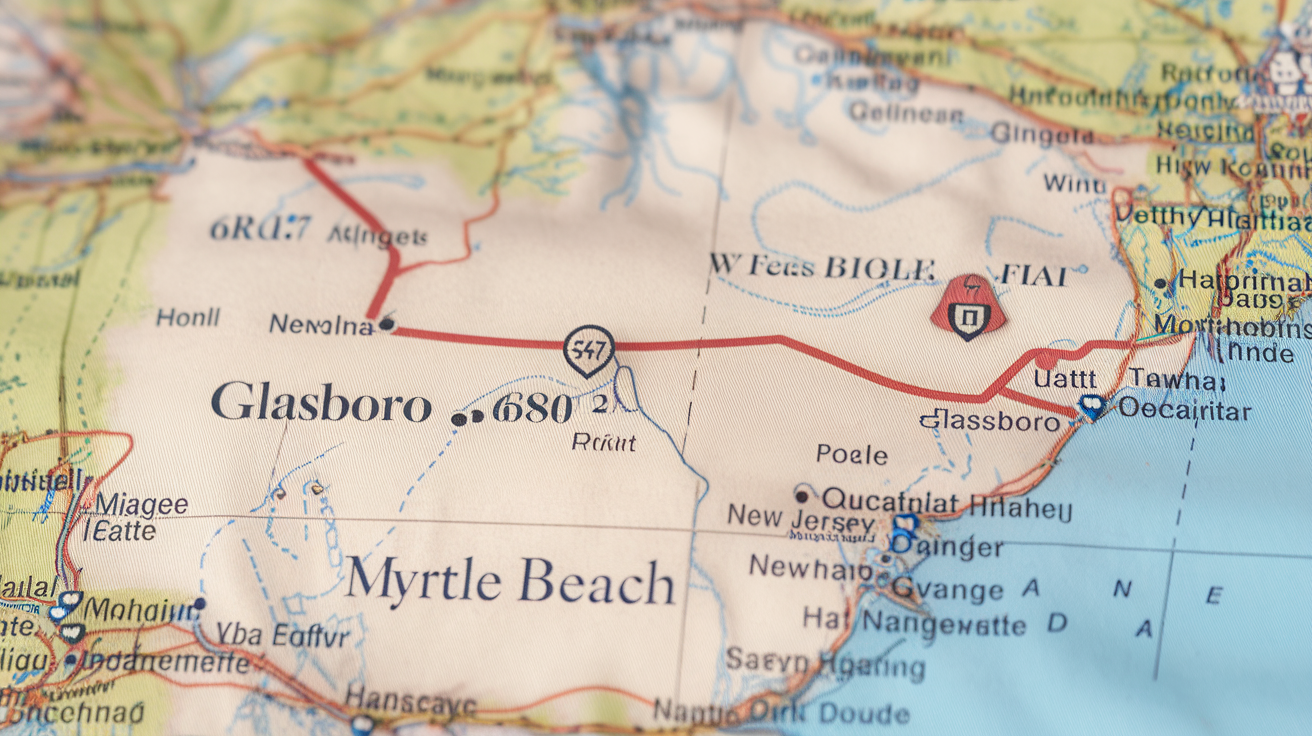
Franklin County is a name shared by several counties in the United States, but the most commonly referenced Franklin County near Myrtle Beach is Franklin County, North Carolina. Myrtle Beach is located in South Carolina, on the Atlantic coast.
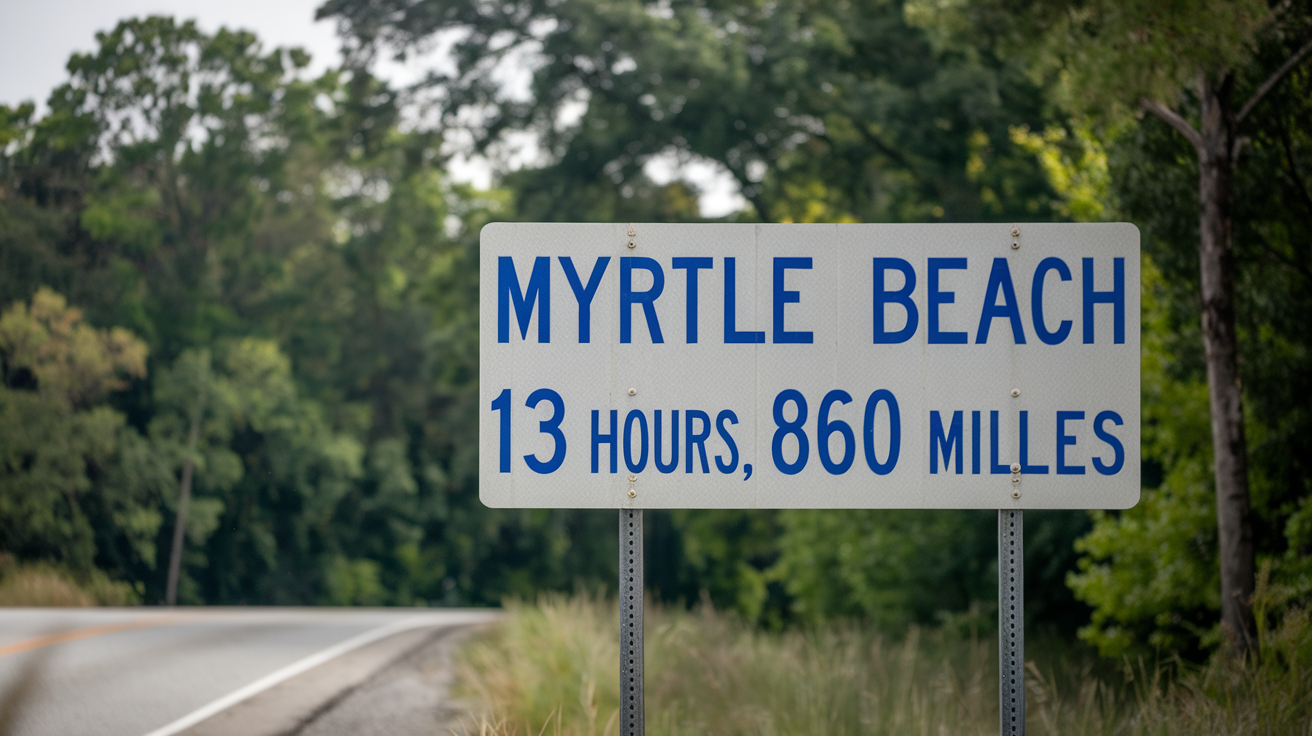
The driving distance from Franklin County, NC, to Myrtle Beach, SC, varies depending on your starting point within Franklin County. On average, the distance is about 120 to 140 miles. This translates to roughly a 2.5 to 3-hour drive under normal traffic conditions.
Distance range: Approximately 120–140 miles
Estimated driving time: 2.5 to 3 hours
Route type: Mostly highways and interstates
Knowing this distance helps you plan your departure time and stops along the way. It also gives you an idea of how much time you’ll spend on the road before enjoying the beach.
Best Routes to Travel from Franklin County to Myrtle Beach
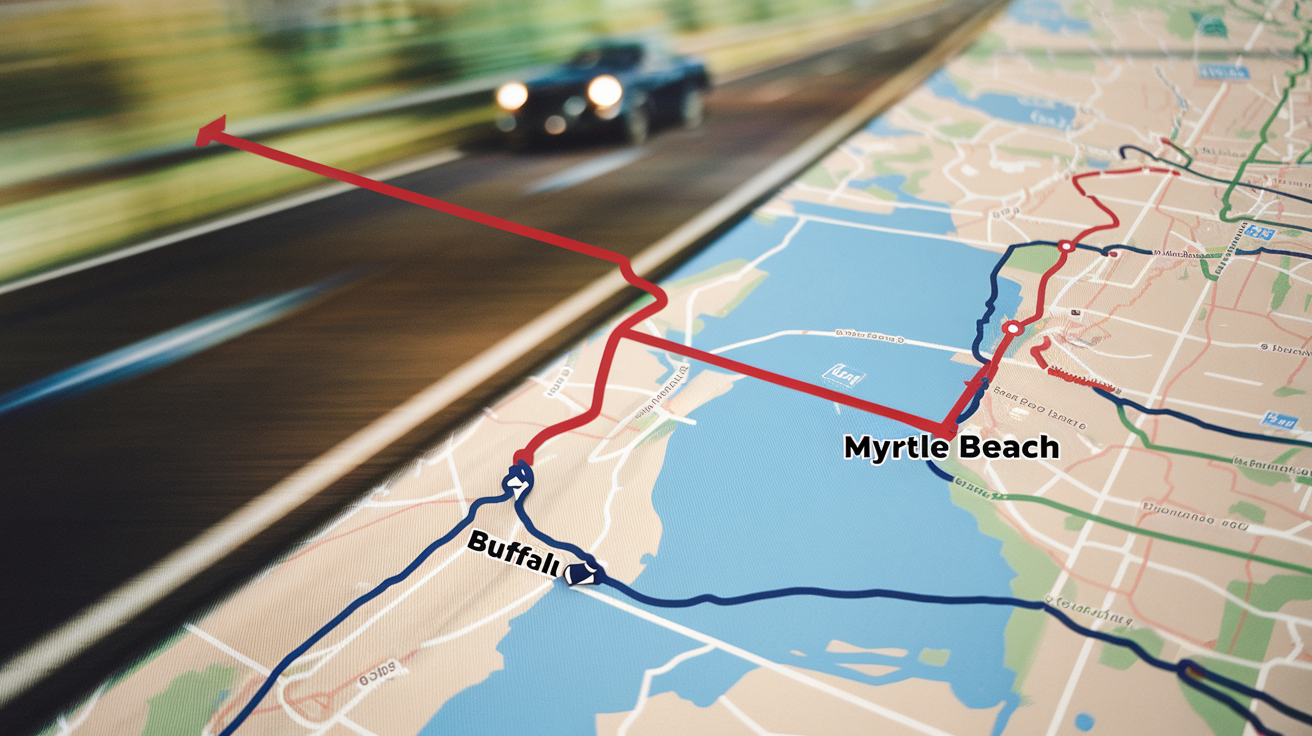
There are several routes you can take to reach Myrtle Beach from Franklin County, NC. The best route depends on your exact starting point and traffic conditions. Here are the most common and efficient routes:
Route 1: Via US-64 E and US-501 S
Start on US-64 East from Franklin County
Connect to US-501 South near Roxboro, NC
Follow US-501 South directly into Myrtle Beach, SC
This route is scenic and passes through small towns and rural areas
Route 2: Via I-85 S and US-501 S
Take I-85 South from Franklin County area
Exit onto US-501 South near Durham or Chapel Hill
Continue on US-501 South to Myrtle Beach
This route uses interstate highways for faster travel
Route 3: Via US-1 S and US-501 S
Start on US-1 South through towns like Henderson and Sanford
Join US-501 South toward Myrtle Beach
This route offers a more local road experience with small towns
Before you start your trip, check real-time traffic apps like Google Maps or Waze. They can help you avoid delays and find the quickest route on your travel day.
Travel Tips for Driving from Franklin County to Myrtle Beach
Driving to Myrtle Beach can be a fun experience if you prepare well. Here are some tips to make your trip comfortable and stress-free:
Start early: Leaving early in the morning helps you avoid heavy traffic, especially near Myrtle Beach during peak seasons.
Plan rest stops: There are several rest areas and towns along US-501 and US-64 where you can stretch and grab food.
Check weather: Coastal weather can change quickly. Check forecasts before you leave.
Fuel up: Fill your gas tank before leaving rural areas where gas stations may be sparse.
Pack essentials: Bring water, snacks, and a phone charger for the road.
Following these tips will keep your drive smooth and enjoyable.
Nearby Attractions Along the Way
If you have time, consider stopping at some interesting spots between Franklin County and Myrtle Beach. These places offer a break from driving and a chance to explore local culture and nature.
Raleigh, North Carolina: The state capital has museums, parks, and great dining options.
Durham, North Carolina: Known for its food scene and historic sites like the Duke University campus.
Sanford, North Carolina: A small town with charming downtown shops and local eateries.
Lake Gaston: A large lake near Franklin County, perfect for fishing or a quick picnic.
Conway, South Carolina: Just before Myrtle Beach, this historic town offers riverfront parks and quaint shops.
Stopping at these places can add fun and relaxation to your road trip.
Where to Stay in Myrtle Beach
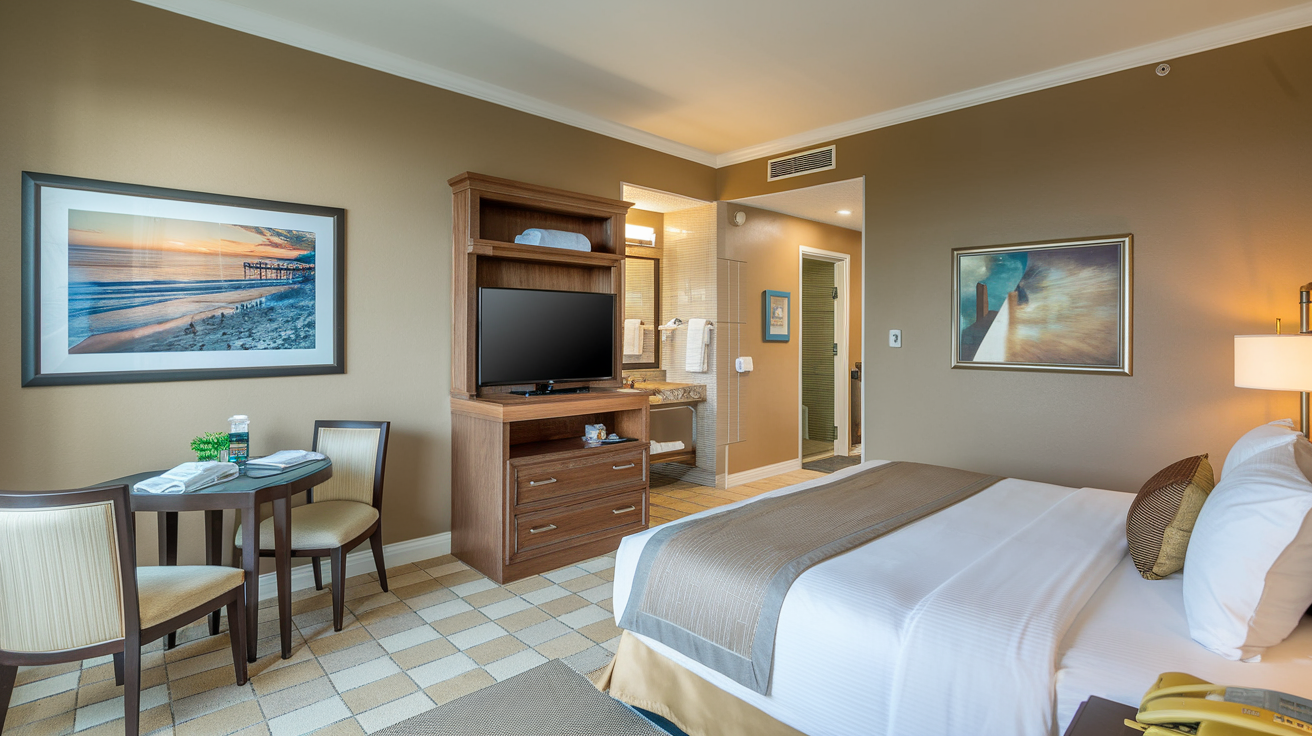
Myrtle Beach offers a wide range of hotels and resorts for every budget. Here are some popular options to consider:
Oceanfront Resorts: Look for places like Marina Inn at Grande Dunes or Dunes Village Resort for beachfront views and pools.
Budget Hotels: Brands like Holiday Inn Express and Comfort Inn offer clean, affordable rooms close to the beach.
Family-Friendly Hotels: Resorts with water parks and kid-friendly activities include Crown Reef Resort and Caribbean Resort & Villas.
Vacation Rentals: Consider renting a condo or beach house through Airbnb or Vrbo for more space and kitchen facilities.
Booking early during peak seasons like summer and spring break is important to secure the best rates and availability.
Things to Do in Myrtle Beach
Once you arrive, Myrtle Beach has plenty to offer beyond the sandy shores. Here are some top activities:
Beach Time: Relax on the wide sandy beaches or try water sports like jet skiing and paddleboarding.
Myrtle Beach Boardwalk: Enjoy shops, restaurants, and the SkyWheel, a large Ferris wheel with ocean views.
Golf: Myrtle Beach is famous for its golf courses, with over 90 options nearby.
Entertainment: Catch live shows at theaters like Alabama Theatre or Carolina Opry.
Nature Parks: Visit Huntington Beach State Park for hiking and bird watching.
These activities make Myrtle Beach a fun destination for all ages.
Public Transportation and Alternatives
If you don’t want to drive, there are other ways to get from Franklin County to Myrtle Beach:
Bus Services: Some regional bus lines connect cities near Franklin County to Myrtle Beach, but direct routes may be limited.
Shuttle Services: Private shuttle companies offer rides from Raleigh-Durham airports to Myrtle Beach.
Flying: The nearest major airport to Myrtle Beach is Myrtle Beach International Airport (MYR). You can fly from Raleigh-Durham International Airport (RDU) and rent a car or take a shuttle from there.
Check schedules and book in advance if you choose public transport or shuttles.
Planning Your Trip: When to Go
The best time to visit Myrtle Beach depends on your preferences:
Spring and Fall: Mild weather and fewer crowds make these seasons ideal for beach activities and sightseeing.
Summer: Warmest weather and full resort activities, but expect larger crowds and higher prices.
Winter: Cooler temperatures and quieter beaches, good for off-season deals but limited water activities.
Consider your travel dates and book accommodations early during busy times.
Conclusion
Traveling from Franklin County to Myrtle Beach is a straightforward trip of about 120 to 140 miles, usually taking 2.5 to 3 hours by car. You have several route options, including highways and scenic roads, depending on your preferences.
Planning your drive with rest stops, checking traffic, and packing essentials will make your journey easier. Once you arrive, Myrtle Beach offers a variety of hotels, attractions, and activities for a memorable visit. Whether you want to relax on the beach or explore local towns along the way, this trip has something for everyone.
FAQs
How long does it take to drive from Franklin County to Myrtle Beach?
The drive usually takes between 2.5 to 3 hours, depending on traffic and your exact starting point in Franklin County.
What is the best route from Franklin County to Myrtle Beach?
Common routes include taking US-64 East to US-501 South or using I-85 South then US-501 South. The best route depends on traffic and your location.
Are there any interesting stops between Franklin County and Myrtle Beach?
Yes, you can visit Raleigh, Durham, Sanford, Lake Gaston, and Conway for dining, shopping, and outdoor activities.
Can I take public transportation from Franklin County to Myrtle Beach?
Direct public transportation options are limited. You might use regional buses or shuttles, or fly into Myrtle Beach International Airport.
When is the best time to visit Myrtle Beach?
Spring and fall offer mild weather and fewer crowds. Summer is busiest with warm weather, and winter is quieter but cooler.